
Vandaag of morgen in huis

Kwaliteit gegarandeerd

Welkomstaanbiedingen ontgrendelen: GRATIS bezorging | Tot 80% korting | Gratis 30 dagen JoyPlus-proefperiode
Download de app
Buying a gaming mouse seems straightforward, until you have to choose between DPI settings, wireless connections, RGB lighting and dozens of button layouts. A high spec doesn’t automatically mean the mouse will suit your hand, game or computer.
The most common buying mistakes come down to three pitfalls:
An optical gaming mouse uses an optical sensor to track movement. Look at the adjustable DPI range, not just the maximum figure. DPI determines how far the cursor moves with the same hand movement.
For many PC games, an adjustable range of around 800 to 3,200 DPI is perfectly usable. A high-DPI gaming mouse may appeal if you want to switch quickly between settings, but an extremely high maximum DPI doesn’t guarantee better performance.
The polling rate indicates how often the mouse sends information to the computer. 1,000 Hz means this happens up to 1,000 times per second, according to the product specification. This can matter for competitive games, including FPS titles. Do check whether the higher setting is available in your preferred connection mode and whether you need software to use it.
A wireless gaming mouse with a 2.4GHz receiver is designed for a fast connection to a PC. A wireless mouse with Bluetooth is handy for laptops, tablets or multiple devices, but not every model supports both options.
When choosing a wireless model, check:
Battery claims come from the brand’s product information. Manufacturers’ own figures show that battery life can vary depending on lighting, polling rate, software and conditions of use.
A lightweight gaming mouse often weighs less than 75 grams, but the right weight depends on your grip and preference. A compact, symmetrical mouse may suit both left- and right-handed users. An ergonomic gaming mouse with a thumb rest is usually shaped specifically for one hand.
Also check the number of buttons. A gaming mouse with programmable buttons is handy for MMOs, MOBAs, productivity and shortcuts. For an FPS gaming mouse, many players prefer a simpler design with fewer buttons, so their thumb doesn’t accidentally trigger a command.
RGB is mainly a visual choice. An RGB gaming mouse can complement a PC setup with lighting, but the lighting may affect power consumption. Check whether you can switch it off, too.

Why it suits this profile: This wireless gaming mouse combines a weight of 73 grams with 2.4GHz connectivity and a built-in rechargeable battery. The product specification states up to 80 hours of battery life and a USB-C connection.
The connection, charging option and DPI settings are clearly specified. That means you don’t have to rely solely on marketing terms such as “ultralight”.
73 grams, 4,800 DPI, six programmable buttons, RGB lighting and the ability to play while charging via USB-C.
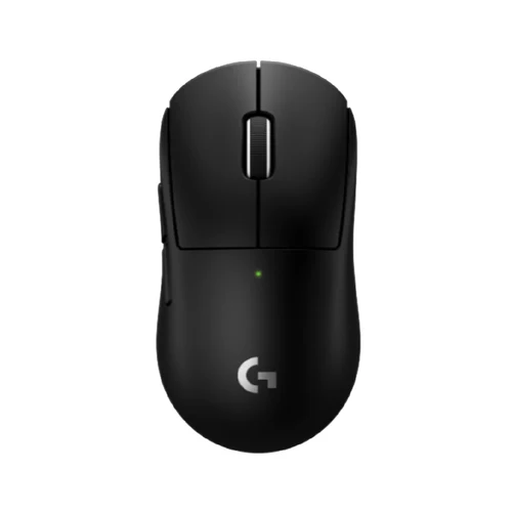
Why it suits this profile: This compact wireless model is designed for players looking to combine a low weight and programmable buttons with an optical HERO 2 sensor and LIGHTSPEED connectivity.
Your choice isn’t based on DPI alone: the 53-gram weight, compact dimensions and wireless technology are all listed separately.
Optical HERO 2 sensor, up to 44,000 DPI according to the product information, five buttons and support for a polling rate of up to 8 kHz with software.
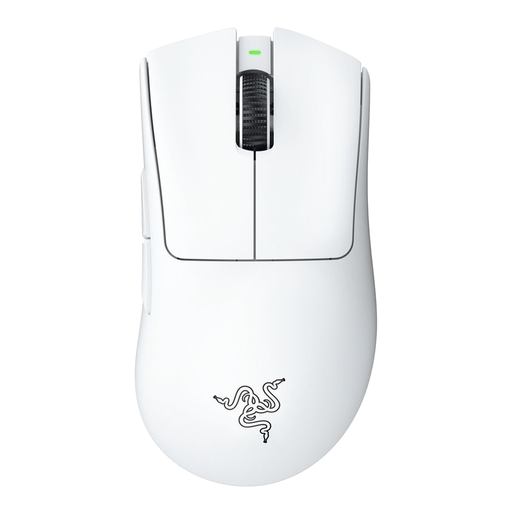
Why it suits this profile: The right-handed shape, 63-gram weight and 2.4GHz wireless connection make this a good match for players who spend a lot of time playing FPS games and want straightforward controls.
You can use it with or without the cable. So a flat battery doesn’t leave you with no way to connect during a long session.
Razer Focus Pro optical sensor with up to 30,000 DPI, stated battery life of up to 90 hours, five programmable buttons and USB-C.
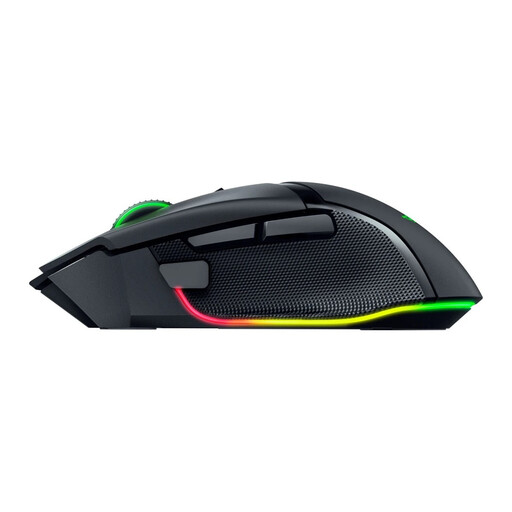
Why it suits this profile: With an ergonomic design, wired and wireless connections, 11 programmable buttons and RGB lighting, this model is aimed at users who combine gaming with productivity.
The extra buttons are useful for shortcuts and macros, rather than being purely decorative. However, the mouse is designed for right-handed use.
35,000 DPI, 11 programmable buttons, Razer Chroma RGB and wireless 2.4GHz, Bluetooth or USB connectivity.
Use this quick checklist for any gaming mouse for PC:
We’ve put together a full, up-to-date list of products that meet these strict selection criteria and the applicable European safety regulations.
Yes, provided the model offers a suitable 2.4GHz connection and polling rate. Also check the battery level and whether a USB receiver is included. Bluetooth is mainly handy for flexible everyday use.
Its lifespan depends on the switches, cable, battery and how well you maintain it. Manufacturers sometimes state a click rating or battery life; these are product specifications or brand claims, not a guarantee of a fixed lifespan. Keep the sensor and mouse feet clean, and don’t pull on the cable.
Yes. Programmable buttons can handle browser functions, copying and other shortcuts. For everyday use, focus on the shape, weight, noise level and Bluetooth support. An RGB gaming mouse can be used in the office, but check whether you can switch off the lighting.
