
Vandaag of morgen in huis

Kwaliteit gegarandeerd

Welkomstaanbiedingen ontgrendelen: GRATIS bezorging | Tot 80% korting | Gratis 30 dagen JoyPlus-proefperiode
Download de app
A gaming mouse needs to do more than just move quickly. The shape, connection, sensor and buttons all work together to determine whether you play comfortably and maintain control. That applies to a fast-paced FPS session, a long strategy game and daily computer use.
Many buyers focus mainly on a high DPI number or RGB lighting. As a result, practical considerations can sometimes be overlooked. Below, you’ll find out which specifications really matter, which pitfalls are common and which models suit different users.
A gaming mouse with a high DPI sounds appealing, but the maximum value isn’t automatically useful. Many players use a lower sensitivity level in games. What’s more important is adjustable DPI, consistent tracking and a sensor that matches your resolution and play style.
An optical gaming mouse can be a logical choice here. Just check whether the software works with your operating system and whether DPI settings can be adjusted in steps.
A wireless gaming mouse can connect via 2.4 GHz, Bluetooth or both. For competitive games, many players choose a USB receiver on 2.4 GHz because of the direct connection. Bluetooth is handy for laptops and energy-efficient use, but check which modes are available beforehand.
Also pay attention to the charging method. Some mice have a built-in rechargeable battery, while others run on an AA or AAA battery. A long stated battery life always depends on usage, lighting, polling rate and connection mode.
An ultra-light gaming mouse can feel great for quick movements, but a small or low-profile model won’t suit every hand size or grip style. Look at the length, width, height and hand orientation. A right-handed ergonomic gaming mouse isn’t automatically suitable for a left-handed user.
Also check the number of buttons. A model with six buttons can stay clean and simple, while a gaming mouse with programmable buttons and macros is more interesting for MMO, MOBA or RTS players.
For fast FPS movements, a weight under 70 grams is often preferred. The Razer Viper V3 Pro weighs 54 grams according to the product specifications, and the Logitech G PRO X SUPERLIGHT 2 LIGHTSPEED weighs 60 grams. A heavier model can feel more stable with a fixed grip.
Keep these points in mind:
DPI indicates how sensitively the cursor responds to movement. An adjustable range is more practical than just a high maximum value. The polling rate tells you how often the mouse position is sent to the computer. 1,000 Hz is sufficient for most users; models with 4,000 or 8,000 Hz demand more from your computer and may require additional software settings.
For a wireless mouse for FPS, you should therefore check:
Claims about tracking, click durability and latency come from the manufacturer’s product information. Treat them as product specifications, not as guaranteed in-game results.
An RGB gaming mouse can complement the look of your desk, but lighting often uses extra power. Check whether RGB can be switched off completely. With a gaming mouse with programmable buttons, it’s important to see whether the configuration software is only available for Windows.
For streamers and users with multiple devices, Bluetooth alongside 2.4 GHz can be useful. If you only play on a fixed PC, you may be better off with a simple USB connection without a battery.

Why this fits the profile: This model combines wireless 2.4GHz connectivity with a straightforward set of features for PC and laptop gamers looking for their first gaming mouse.
The key details are concrete: 73 grams, a maximum of 4,800 DPI, 1,000 Hz polling rate and a stated battery life of up to 80 hours. That means you can see exactly what you’re buying.
Optical sensor, six programmable buttons, USB-C charging and switchable RGB lighting according to the product information.
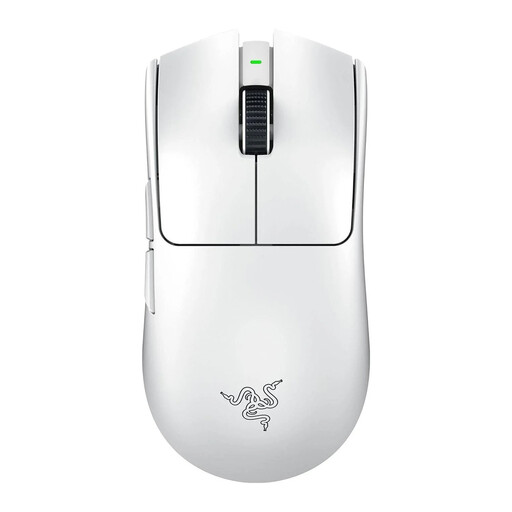
Why this fits the profile: The combination of low weight and a high polling rate appeals to players who mainly play FPS games and want to lift and reposition their mouse quickly.
You’re not just paying for lighting: the model has an optical sensor, six buttons, wireless and wired use, and adjustable DPI.
54 grams, a stated maximum polling rate of 8,000 Hz and up to 95 hours of battery life according to the product description.
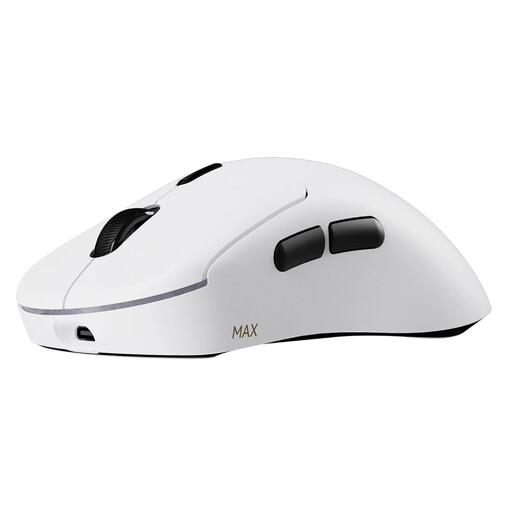
Why this fits the profile: This model is aimed at users who play long sessions and value plenty of customisation options, a low weight and fewer charging breaks.
The features aren’t limited to a high DPI number: there are ten programmable buttons, independent X/Y DPI settings and software for both Windows and Mac.
53 grams, a stated battery life of up to 750 hours at 1,000 Hz and a wireless polling rate of up to 8,000 Hz.
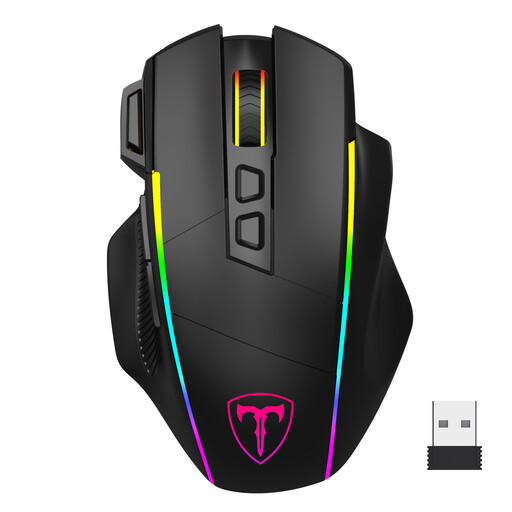
Why this fits the profile: The choice of 2.4 GHz, Bluetooth and USB-C makes this model usable with a desktop, laptop and other compatible devices.
The software limitation is clearly stated: programming works via Windows and in wired mode. That prevents surprises when using it with a Mac or via Bluetooth.
Ten DPI levels up to 10,000 DPI, eight programmable buttons and adjustable RGB lighting according to the product information.
We’ve put together a full, up-to-date list of products that fully meet these strict selection criteria and comply with current European safety regulations.
That depends on your game, screen resolution and personal preference. For FPS games, many players use a lower effective sensitivity than the mouse’s maximum DPI number. So choose a model with adjustable DPI and test different levels in the software and game settings.
Yes, a model with a 2.4GHz receiver can be suitable for FPS. Check the polling rate, the type of receiver and the battery status. For important gaming sessions, it’s practical if the mouse can also be used wired while charging.
The lifespan depends on the switches, cable or battery, how intensively it’s used and how well it’s maintained. Keep the sensor and mouse feet clean, avoid liquids and use the supplied or suitable charging cable. The click durability stated by a brand is a given product specification and not a guarantee for every usage scenario.
