
Players practising fast aiming movements
If you often swipe, make corrections and reset your mouse, assess its shape and the space available for movement first, then compare its maximum DPI.


Start with a shape and grip that let you repeatedly swipe and reset the mouse within the space available on your desk. Then compare weight, adjustability and connectivity. A lightweight symmetrical mouse, an ergonomic right-handed mouse and a mouse for both work and gaming suit different preferences, but none of these features guarantees that a model will fit your hand.
If you often swipe, make corrections and reset your mouse, assess its shape and the space available for movement first, then compare its maximum DPI.
If you use the same desk for work and gaming, hand position, connectivity options and comfort during extended mouse use all matter.
A compact workspace means weighing up cable routing, the position of a wireless receiver and the room you need to swipe.
Start with the shape and the space you need. Then compare the settings and connectivity that suit the way you work and practise.
| What to consider | What should you check? | Who is this important for? |
|---|---|---|
| Shape and grip | Compare the shape, handedness, sides and position of the thumb buttons. Check whether you might press them accidentally when lifting the mouse. | If I lift the mouse often, I want a shape that suits my hand and grip. Around 36% of consumers prioritise fit. |
| Movement control | Check the adjustable DPI and, where available, lift-off settings. Compare the stated weight for each version and the polling rate in the mode you plan to use. | If I swipe and make corrections repeatedly, I want to be able to adjust the sensitivity to my movements and desk space. Around 29% of consumers prioritise control during fast movements. |
| Connectivity and space | Check whether the model is wired, uses 2.4 GHz wireless or also works via Bluetooth, which receiver is included, and whether the cable will stay out of your movement path. | With limited space, I want to avoid a cable or receiver getting in the way of my movements. Around 21% of consumers put desk connectivity first. |
| Comfort at work | Consider how the mouse feels in your hand during everyday use, your working posture and whether you can set it up differently for work and practice. | If I practise after work, I want the mouse to feel comfortable during everyday computer use too. Around 14% of consumers prioritise combining gaming with comfort at work. |
Maximum sensitivity doesn’t tell you whether the shape, settings and space you need to move the mouse suit your practice.
Compare the grip and adjustability first. Think of DPI as a sensitivity setting, not an accuracy score.
Different generations, or wired and wireless versions, may have different connectivity options, weights or polling rates.
Check the full model name, generation and connection mode before comparing features across versions.
A different version may offer a different connection or user experience from the one you expect.
For the Logitech G PRO X SUPERLIGHT 2, descriptions of connectivity and maximum DPI did not match the manufacturer’s information for that version.
If you find discrepancies, check the full model name and version before comparing features or specifications.
These examples can help you compare shapes and versions. The features apply to the models listed and are not a judgement on the brand as a whole.
The Viper V3 Pro is a lightweight, symmetrical wireless option to compare if you practise lots of aiming movements.
The PRO X SUPERLIGHT 2 is a lightweight wireless esports mouse to compare with other shapes and settings.
The EC2-CW is a medium-sized, right-handed wireless option; the symmetrical U2 has a different shape to compare.
According to the manufacturer, the Aerox 3 Wireless Gen 2 offers 2.4 GHz and Bluetooth, making it an option for a desk used for both work and gaming.
The wired MM712 is an example of a lightweight mouse for anyone who wants to avoid charging.
This selection includes wired and wireless gaming mice for movement drills and switching between different tasks at a home desk. When buying, check the CE marking on the exact version and, for wireless models, the relevant radio equipment requirements. General requirements don’t automatically confirm that a specific model complies.
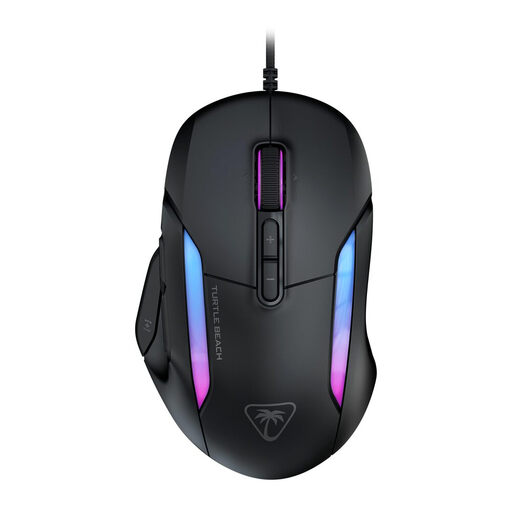 No image available
A wired option to compare if you can keep the cable out of your movement path.
The product name lists 26.000 DPI and 23 buttons.
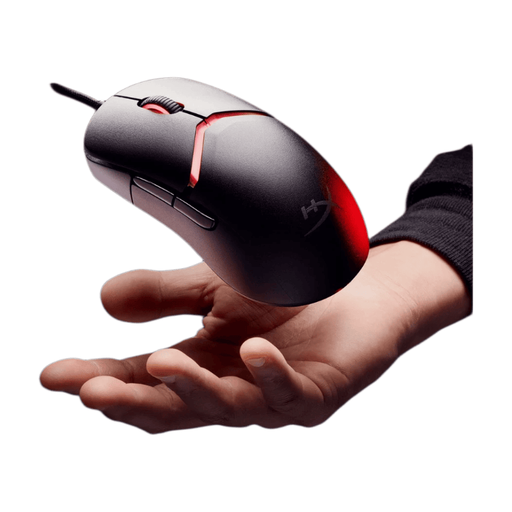
 No image available
A wireless option to compare if you want to switch between practice and other computer tasks.
The product name lists 56 g, 2.4 GHz, Bluetooth and USB-C, a PAW3395 sensor, 26K DPI and a 400 mAh battery.
The product description warns you to keep the magnetic base away from pacemakers and medical implants.
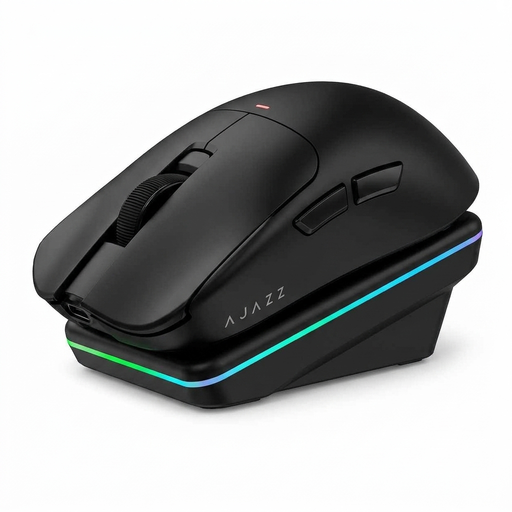
 No image available
A wired version to compare if you can route the cable around your workspace without it getting in the way.
The product name lists 26.000 DPI and RGB lighting.
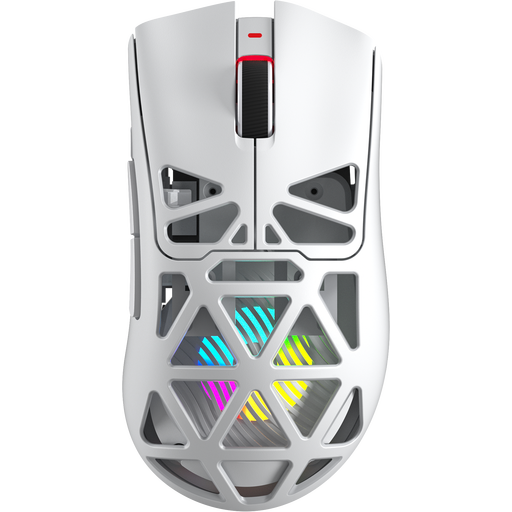
 No image available
A wireless option to compare if you’re looking for a mouse for both work and practice.
The product name lists 63 g, a PAW3311 sensor, 24.000 DPI, and Bluetooth, 2.4 GHz and USB-C.
 No image available
A wireless option to compare if you want to weigh up different connection methods at a home desk.
The product name lists Bluetooth 5.0, 2.4 GHz and USB-C, a PAW3311 sensor, 12.000 DPI, 8 kHz, seven programmable buttons and a 400 mAh battery.
Start with the shape, your grip and the space available on your desk. DPI is an adjustable sensitivity setting; the highest stated value doesn’t prove that the mouse suits your hand or the way you practise.
Compare the features of each connection mode on the exact version rather than assuming Bluetooth and 2.4 GHz are equivalent. SteelSeries lists separate battery life figures for Bluetooth and 2.4 GHz on the Aerox 3 Wireless Gen 2.
Adjust your workspace to suit your body, make sure your arm is supported and take breaks from intensive mouse use. Arboportaal highlights repeated hand movements and static strain on the neck, shoulders and arms as points to consider. This doesn’t mean that a specific gaming mouse will prevent discomfort.
Online purchases generally come with a statutory 14-day cooling-off period from the date of delivery, with some exceptions; ACM ConsuWijzer explains the rules that apply. Faulty products are covered by the statutory guarantee, for which the seller is responsible. Any manufacturer’s guarantee is a separate arrangement.
The Dutch Authority for Digital Infrastructure (RDI) states that electrical, electronic and radio equipment sold in Europe must meet the applicable requirements and carry a CE marking. This general requirement doesn’t automatically confirm that a specific version complies.