
Vandaag of morgen in huis

Kwaliteit gegarandeerd

Welkomstaanbiedingen ontgrendelen: GRATIS bezorging | Tot 80% korting | Gratis 30 dagen JoyPlus-proefperiode
Download de app
Buying a gaming mouse seems straightforward, until you have to choose between wireless and wired, lightweight and ergonomic, extra buttons and a high DPI. Marketing often focuses on impressive figures, but not every feature will matter for your games or your desk setup. Use this practical guide to focus on the specifications that make a real difference in everyday use.
A high-DPI gaming mouse can move the cursor across the screen very quickly. That doesn’t automatically mean you’ll play more accurately. Many FPS players actually use lower sensitivity and make larger mouse movements. So check whether you can adjust the DPI and save multiple profiles.
A wireless gaming mouse connects via a USB receiver or Bluetooth. Check whether it has a built-in rechargeable battery or uses replaceable batteries. A rechargeable mouse needs to be plugged in regularly, while a model with AA or AAA batteries won’t need charging breaks but will use extra batteries.
Also check which connection is intended for gaming. Bluetooth is handy for a laptop or office work, but many models are designed to use a 2.4GHz receiver for lower latency. The stated battery life also depends on the connection mode, lighting and how you use the mouse.
An ultra-light gaming mouse isn’t automatically comfortable. Its weight, length, height and shape all affect how comfortable it is to use with a palm, claw or fingertip grip. An ergonomic gaming mouse designed for right-handed users may be less suitable if you play left-handed. A symmetrical shape offers more flexibility, but won’t feel as supportive to everyone.
A wired gaming mouse gets its power via USB, so it doesn’t need a battery or rechargeable cell. This makes it a good choice for a fixed PC setup and for anyone who doesn’t want to plan charging breaks. However, the cable can get in the way on a small desk.
A wireless gaming mouse with a 2.4GHz receiver gives you more freedom of movement. A Bluetooth gaming mouse is particularly handy with laptops, tablets or multiple devices, as long as your computer supports Bluetooth. Some models combine 2.4GHz, Bluetooth and USB-C, so you can switch between them depending on the situation.
DPI indicates the sensitivity of the sensor. Don’t just look at the maximum figure; check the range and adjustment options too. An optical gaming mouse with several DPI settings can be used for both FPS games and general computer use.
The polling rate indicates how often the mouse’s position is reported to the computer. A polling rate of 1000 Hz means this happens up to 1000 times per second, according to the product specifications. A higher rate may be useful for fast-paced games, but can sometimes use more power and require support from your software or hardware.
For an FPS gaming mouse, an easy-to-reach left and right button, a scroll wheel and a few side buttons are usually enough. A MOBA gaming mouse with six or more programmable buttons can be handy for shortcuts and abilities.
Check whether the buttons can actually be programmed using software, and whether that software is only available for Windows. RGB lighting won’t change how the mouse works. An RGB gaming mouse may suit your setup, but lighting can affect battery life on some wireless models.
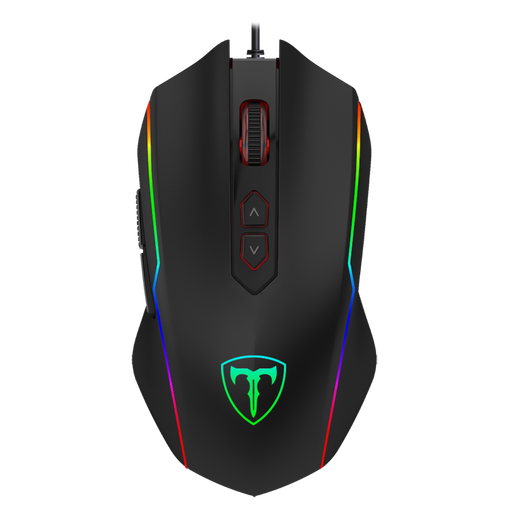
Why it suits this profile: This wired gaming mouse is aimed at PC and laptop users who want adjustable features without a battery or wireless receiver.
The USB connection means you don’t have to worry about charging. The DPI can be adjusted across five settings, and there are four polling rate settings.
7200 DPI, eight programmable buttons and seven RGB modes, according to the product specifications.
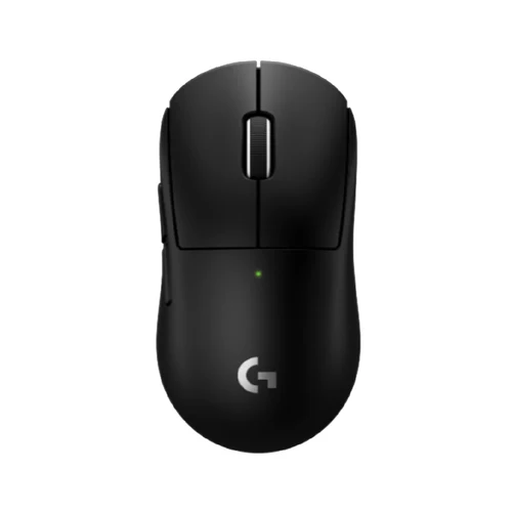
Why it suits this profile: This compact, lightweight model is designed for players looking for a wireless FPS gaming mouse with a low stated weight.
The specifications list a weight of 53 grams, five programmable buttons and a rechargeable battery. Bluetooth isn’t available; it connects via LIGHTSPEED.
HERO 2 optical sensor, adjustable up to 44,000 DPI and, according to the manufacturer, up to 95 hours of battery life.
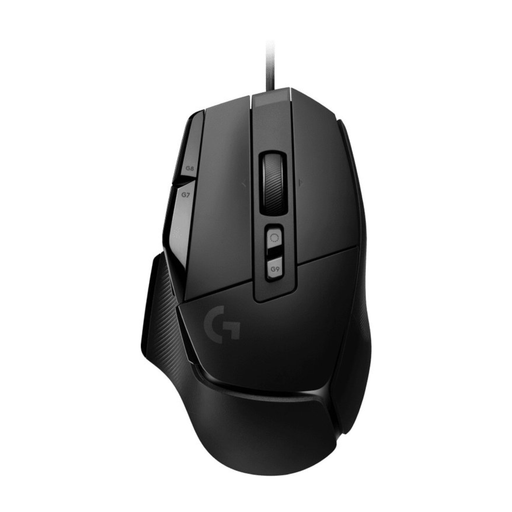
Why it suits this profile: Right-handed players of MOBA, MMO and strategy games can make use of its many easy-to-reach buttons and reliable USB connection.
There’s no battery life to keep an eye on. The ergonomic shape is designed specifically for right-handed use, so check that it suits your grip first.
Optical sensor up to 25,600 DPI, USB connection and, according to the product specifications, eleven programmable buttons.
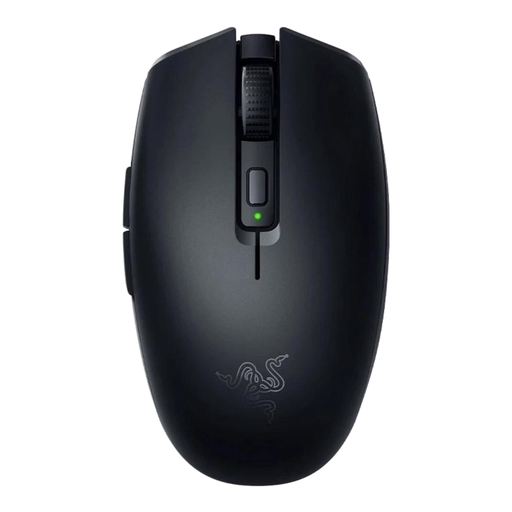
Why it suits this profile: This compact model is well suited to laptop users and gamers who want to switch between Bluetooth and a wireless 2.4GHz connection.
According to the product specifications, its symmetrical shape is suitable for both left- and right-handed use. Bear in mind that the battery isn’t rechargeable.
60 grams, six programmable buttons and an optical sensor up to 18,000 DPI. According to Razer’s own information, battery life is up to 1000 hours via Bluetooth.
We’ve put together a full, up-to-date list of products that meet these strict selection criteria and the applicable European safety regulations.
A wired gaming mouse has a direct USB connection and doesn’t need charging. That can be convenient for a fixed PC setup and long gaming sessions. A wireless model with a 2.4GHz receiver can be just as suitable. So compare the connection type, polling rate and software support rather than relying on the label alone.
It depends on your screen, game and play style. For everyday use, a medium setting may feel more comfortable than the maximum DPI level. Choose a model that lets you adjust the sensitivity in several steps. That way, you can use one setting for an FPS game and another for a MOBA game or office work.
Its lifespan depends on the switches, cable or battery, how intensively you use it and how well you maintain it. Manufacturers sometimes specify a click rating, such as 20 or 60 million clicks. This is a product specification, not a guarantee of a particular lifespan. Keep the sensor clean, avoid pulling on the cable, and keep a wireless mouse away from moisture and extreme heat.
