
Vandaag of morgen in huis

Kwaliteit gegarandeerd

Welkomstaanbiedingen ontgrendelen: GRATIS bezorging | Tot 80% korting | Gratis 30 dagen JoyPlus-proefperiode
Download de app
Buying a new gaming mouse seems simple—until you're drowning in a sea of specifications, marketing jargon, and flashy lights. Manufacturers throw around terms like DPI, polling rate, and ultra-lightweight materials. But what's truly important, and what's just marketing hype? Many gamers overpay for features they'll never use or, worse, buy a mouse that feels uncomfortable after just a few months.
Before you pull out your wallet, let's expose the most common pitfalls that cost you money and hinder your gaming experience.
wireless gaming mouse from a top-tier brand is now indistinguishable from a wired model in terms of responsiveness. Limiting yourself to only wired options is no longer necessary.RGB mouse with spectacular lighting looks amazing on your desk, but if its shape doesn't suit your hand and grip style, it will lead to cramps and fatigue during long gaming sessions. An ergonomic gaming mouse is far more valuable in the long run than a light show.To avoid buyer's remorse, focus on the specifications that actually matter. These are the factors that directly impact your comfort and performance.
The sensor is the heart of your PC gaming mouse. A good optical or laser sensor ensures accurate, flawless tracking. Don't get fixated on the maximum DPI; look at the quality of the sensor instead. A reliable mouse with a maximum DPI of 6,400 is often a better choice than an unknown brand with an inflated DPI number. For most gamers, an adjustable range between 400 and 3,200 DPI is more than enough.
The weight and shape of the mouse are crucial for your playstyle.
lightweight gaming mouse (usually under 80 grams) is ideal for fast-paced games like shooters (FPS), as it allows you to move and lift the mouse more quickly. For other genres, a slightly heavier model can provide more stability and control.The choice between wired and wireless depends on your personal preference.
Based on objective specifications, we've filtered a selection of popular choices that suit different types of gamers.
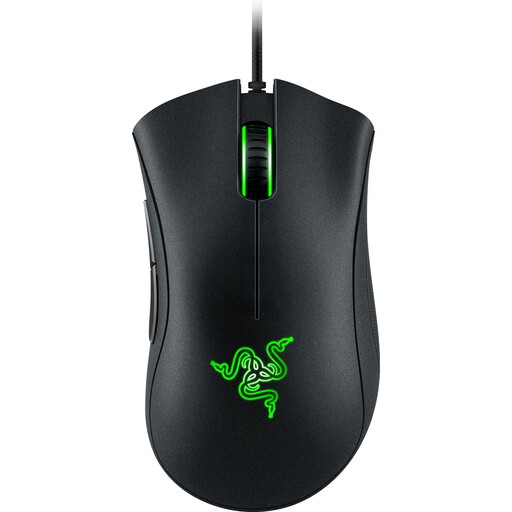
Why This Fits Their Persona: This model offers the legendary ergonomic shape of the DeathAdder series and a reliable sensor at an accessible price point. It's ideal for gamers who want a solid foundation without paying a premium.
This mouse focuses on what truly matters: a proven, comfortable shape and a solid sensor with a practical 6,400 DPI. No unnecessary frills, just a great mouse.
Classic ergonomic design praised by millions of gamers. Durable buttons and a reliable optical sensor.
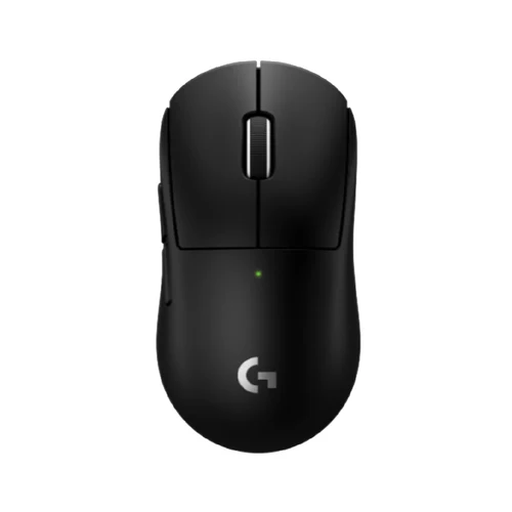
Why This Fits Their Persona: For the player who makes no compromises. This mouse is extremely light and equipped with one of the most advanced sensors on the market. Every gram and millisecond counts at the highest level.
This model proves that a wireless mouse can deliver peak performance. The focus is on what really matters to pros: an ultra-low weight and a flawless sensor, not on superfluous RGB lighting.
Extremely lightweight design at only 53 grams. The HERO 2 sensor and LIGHTSPEED wireless technology ensure pixel-perfect precision without any delay.
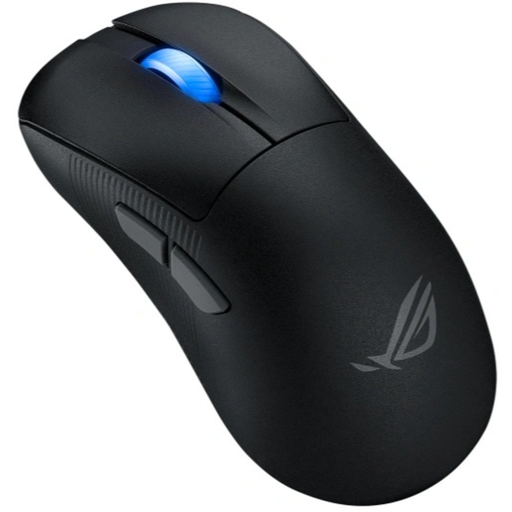
Why This Fits Their Persona: This gamer plays various genres and also uses their PC for other tasks. Flexibility is key. This mouse offers top-tier performance in a lightweight package, with the freedom of three connection options.
Instead of focusing on a single gimmick, this mouse offers a complete package. Its ultra-light design and multi-connectivity prove you don't need a heavy, clunky mouse for a wide range of features.
Tri-mode connectivity (RF, Bluetooth, wired) for maximum flexibility. An ultra-light and ergonomic design at just 54 grams with a high-precision sensor.
We've curated a complete, up-to-date list of products that fully meet these strict selection criteria and local safety regulations.
For most gamers, including competitive players, a DPI setting between 400 and 3,200 is optimal. A higher DPI makes the mouse more sensitive, which isn't necessarily better. It's more important to have a mouse with a high-quality sensor that performs consistently at the DPI setting you find comfortable.
Yes, modern wireless technology from reputable brands is now so advanced that the difference in response time compared to a wired mouse is imperceptible to the human eye. Professional esports athletes increasingly use a wireless gaming mouse for the freedom of movement it provides. Note: this primarily applies to higher-end models with a dedicated 2.4 GHz receiver.
Weight is one of the most critical factors for comfort and speed. For fast-paced FPS games where you frequently lift the mouse and make quick movements, a lightweight gaming mouse (under 80 grams) is a significant advantage. It reduces fatigue in your arm and wrist. For games that require fewer quick reflexes, like MMOs or strategy games, a slightly heavier, more ergonomic model with more buttons might be more comfortable.
