
Gamer with few power sockets
This gamer wants to practise without plugging in an extra mains adaptor, so they’re weighing up whether a spare USB port, a cable or battery power will suit their setup.


First, choose a mouse shape that suits your grip. Then decide whether a cable, replaceable AA battery or rechargeable battery works best for your setup. A wired mouse doesn’t need a mouse battery, but it does use a USB port. A wireless mouse gives you more freedom of movement, but depending on the model, you’ll need to replace its battery or recharge it. A high maximum DPI doesn’t automatically make your aim more accurate.
This gamer wants to practise without plugging in an extra mains adaptor, so they’re weighing up whether a spare USB port, a cable or battery power will suit their setup.
This gamer is looking for a comfortable grip and plenty of freedom of movement. Shape, weight and any cable may all be factors.
This gamer wants to use the same sensitivity across consecutive practice sessions, so they check whether the exact model offers adjustable DPI, on-board controls or profile storage.
Start with the power source and available connections. Then compare how the shape, weight and settings suit your practice routine.
| What to consider | What should you look for? | Who should prioritise this? |
|---|---|---|
| Power and connection | Check which USB ports are free, the connection type and whether you can charge the mouse as part of your setup. | If I have few power sockets, I want to know whether a USB port will be enough and how the mouse gets its power. Around 36% of consumers prioritise power and connection above all else. |
| Fit and freedom of movement | Compare the shape with your grip and consider whether a cable could get in the way of your usual sweeping movements. | For broad aiming movements, I want a comfortable grip that gives me enough room to move. Around 29% of consumers put fit and freedom of movement first. |
| Consistent sensitivity | Check how to adjust the DPI and whether the exact model offers on-board controls or profile storage. | If I want to repeat my practice settings, I’m looking for a way to restore the same sensitivity. Around 21% of consumers make consistent settings their top priority. |
| Battery maintenance | Check whether the mouse uses a replaceable battery or a built-in rechargeable battery, and how charging works. | I want to know in advance whether I’ll need to replace the batteries or recharge the mouse. Around 14% of consumers prioritise battery maintenance above all else. |
A higher DPI changes sensitivity, but it isn’t automatically better for accurate aiming. The shape and the settings you actually use matter too.
Compare the grip and check how to adjust the sensitivity on the exact model before letting maximum sensor specifications make the decision for you.
A wired mouse or wireless USB receiver can work without a separate mains adaptor, but it still uses a USB port.
Count your available USB ports and check the connection type before choosing a model.
Logitech describes the G305 as using its own 2.4 GHz connection and a USB receiver. Don’t assume this model has Bluetooth unless the exact version has been confirmed.
Check the connection options against Logitech’s specifications for the model you’re considering.
The range includes the G305, which uses a replaceable AA battery and USB receiver, as well as wireless, rechargeable PRO X SUPERLIGHT models.
The wired Aerox 3 is an option if you don’t want to use a mouse battery and have a USB port available.
The Viper V3 HyperSpeed is a wireless option with an AA battery; the wired DeathAdder V3 uses a different connection and has a different shape.
This selection focuses on wired USB mice and wireless models for aim training, with different ways to adjust sensitivity and power the mouse.
 No image available
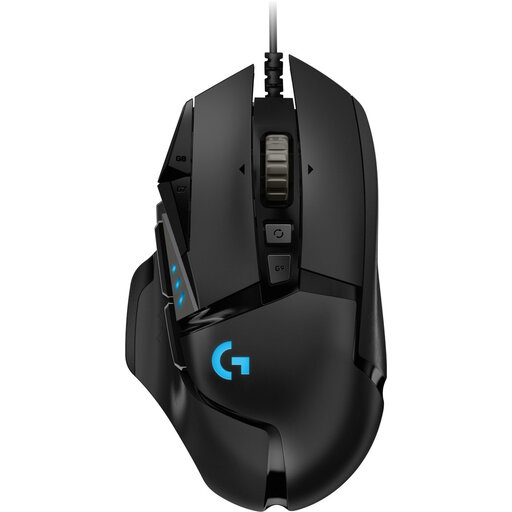
The wired connection is a good fit if you have a spare USB port and don’t want to use a mouse battery.
The product description lists adjustable DPI, 11 programmable buttons and an adjustable weight system with five weights. The cable stays connected during use.
 No image available
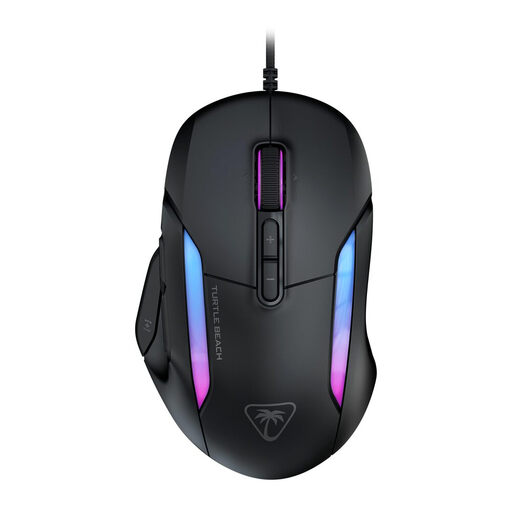
The wired version is a good fit if you have a spare USB port and don’t want to use a mouse battery while practising.
The product information lists 26,000 DPI, 23 buttons and a shape designed for medium to large hands. The cable stays connected.
 No image available
This wireless version could suit you if you want freedom of movement and can arrange for charging as part of your setup.
The product name lists 56 g, 26K DPI, 2.4G/USB-C/BT support, a 400 mAh battery and a magnetic charging dock. The battery needs to be recharged periodically. The product description warns you to keep the magnetic dock away from pacemakers and other medical implants.
 No image available
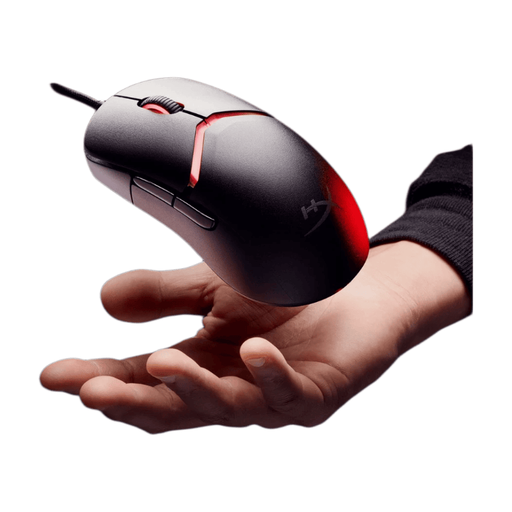
The wired version is designed for a setup with a spare USB port; there’s no mouse battery to replace or recharge.
The product information lists a weight of 69 g, adjustable DPI and interchangeable grip components with 16 configurations. The cable stays connected.
 No image available
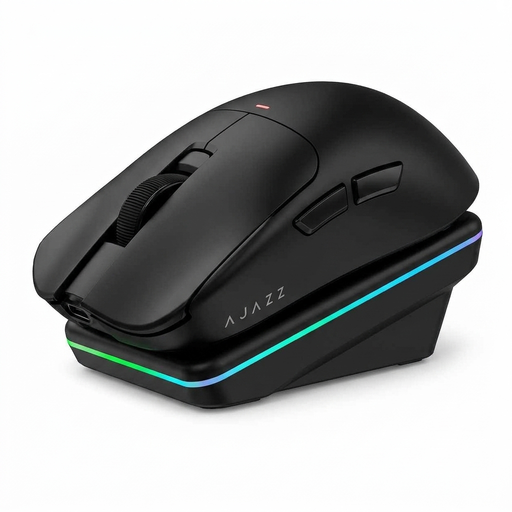
This wireless version could work for aim training if you can recharge the battery periodically.
The product name lists 24,000 DPI, a PAW3311 sensor, tri-mode BT/2.4G/USB-C and a weight of 63 g. The product information mentions a rechargeable battery and magnetic charging dock; the battery needs to be recharged periodically.
Not always: a wired mouse or USB receiver uses a USB port, while a model with a replaceable AA battery doesn’t need a charging connection. Check how many USB ports are free. If you choose a rechargeable mouse, make sure charging works with your setup.
Choose a sensitivity you can set again, and check whether the exact model offers on-board controls or profile storage. A higher maximum DPI isn’t, by itself, better for accurate aiming.
For a faulty product, the Dutch Government says your point of contact for a solution is the seller. For eligible online consumer purchases, you’ll generally have a 14-day cooling-off period. Check the terms that apply to your specific purchase.
The Dutch Government says used batteries shouldn’t go in the bin; take them to a collection point instead. There are municipal collection points for discarded electrical appliances, among other options. If a private individual buys a similar new appliance, the old-for-new scheme also applies.