
FPS player looking to improve their grip
Looking for a shape that suits their hand size and grip, so repeated aiming movements feel comfortable. RTINGS highlights hand size and shape as important factors when choosing an FPS mouse.


Start with a mouse shape that suits your hand and grip, then check that the sensor tracks reliably on the mouse mat you practise on. An optical sensor uses its own light to detect the surface, so extra room lighting or RGB is not a proven requirement for tracking. A wired mouse means you don’t need to manage a battery, but it does leave you with a cable. A wireless mouse gives you more freedom of movement, but you’ll need to think about charging and where to place the receiver.
Looking for a shape that suits their hand size and grip, so repeated aiming movements feel comfortable. RTINGS highlights hand size and shape as important factors when choosing an FPS mouse.
Wants to know whether the mouse tracks consistently on their own mouse mat, even during fast movements and when lifted. SteelSeries Support also recommends checking the surface when troubleshooting an optical mouse.
Looking for freedom of movement without a cable, while keeping charging and receiver placement in mind. Logitech offers specific advice for the PRO X SUPERLIGHT 2 on distance from the receiver and possible 2.4 GHz interference.
| What to consider | What should you check? | Who is this important for? |
|---|---|---|
| Shape and grip | Compare the shape and dimensions with your current mouse and the way you usually hold it. | If I hold the mouse for a long time and aim often, I want a shape that suits my hand. Around 36% of consumers put fit first. |
| Tracking on your mouse mat | Test the sensor on your own surface and try some fast swipes; SteelSeries recommends a smooth, matt surface for optical mice. | If the cursor stutters during fast movements, I want to know whether my mouse mat is contributing to the problem. Around 29% of consumers prioritise tracking on their surface. |
| Consistent settings | Check how to set the DPI or CPI and, if needed, the polling rate for the exact model. | If I compare my practice sessions, I want to be able to use the same sensitivity each time. Around 21% of consumers prioritise consistent settings. |
| Wired or wireless | Check the connection type and, if you choose wireless, plan where to put the receiver and when to charge the mouse. | If a cable could get in the way of my swipes, freedom of movement matters to me. Without a cable, I’ll still need to keep an eye on the battery and receiver. Around 14% of consumers prioritise this trade-off. |
An optical sensor uses its own light source to detect the surface. Lighting on the mouse itself doesn’t tell you how well it tracks on your mouse mat.
Choose based on fit and tracking on your own surface, not RGB. If the cursor stutters, try a smooth, matt surface too.
A specification tells you what a model can do, but not whether its shape feels comfortable or its settings suit your training.
Compare the shape and adjustment options of the exact mouse, and keep your practice settings consistent.
The Logitech PRO X SUPERLIGHT 2 manual offers advice on distance from the receiver and possible 2.4 GHz interference.
Read the manual for the model you choose and decide in advance where the receiver and charging cable will go.
The PRO X SUPERLIGHT 2 is a lightweight, symmetrical wireless option for anyone who wants to aim without a cable.
The wired DeathAdder V3 has an ergonomic FPS shape, offering an alternative to symmetrical wireless models.
ZOWIE presents the wireless U2 as a mouse for claw grip and movement in multiple directions.
The wired Prime Mini is a smaller ergonomic option with on-mouse settings.
This selection includes wired and wireless gaming mice with product specifications covering the sensor, sensitivity or connection type, to help you make an informed choice for practice.
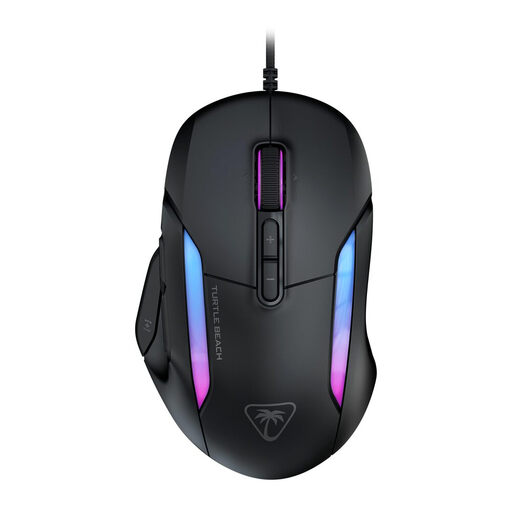 No image available
A wired option if you’d rather not manage a battery and want to adjust settings for your practice sessions.
Optical sensor; adjustable DPI, up to 26,000 DPI; weight 82 g. The product description mentions an ergonomic shape for medium and large hands, and different grip styles.
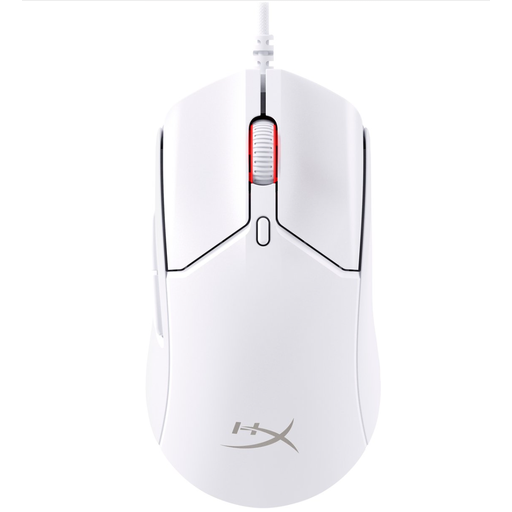
 No image available
A wireless option if you want to practise without a cable and adjust sensitivity settings.
PAW3395 sensor; 26K DPI; weight 56 g; 2.4G, USB-C and Bluetooth; 400 mAh battery and magnetic charging dock. The product description warns you to keep the magnetic charging dock away from pacemakers and specifies a minimum distance of 15 cm.
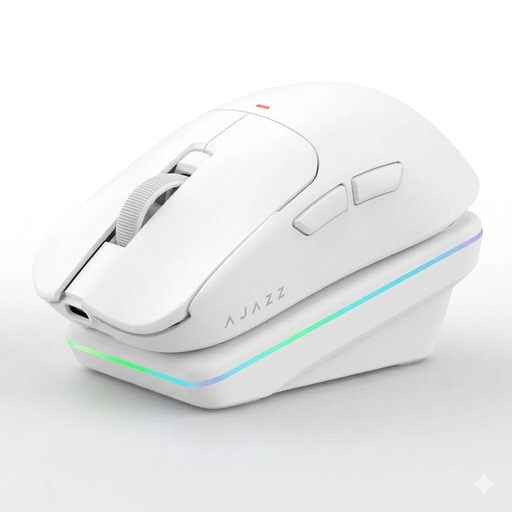
 No image available
A wired option if you want to avoid managing a battery and are looking for a symmetrical shape.
Optical sensor; adjustable DPI; weight 53 g; polling rate up to 8,000 Hz. The product description mentions a flexible cable and included grip tape. The title lists PC, PS5, PS4, Xbox Series X|S and Xbox One.
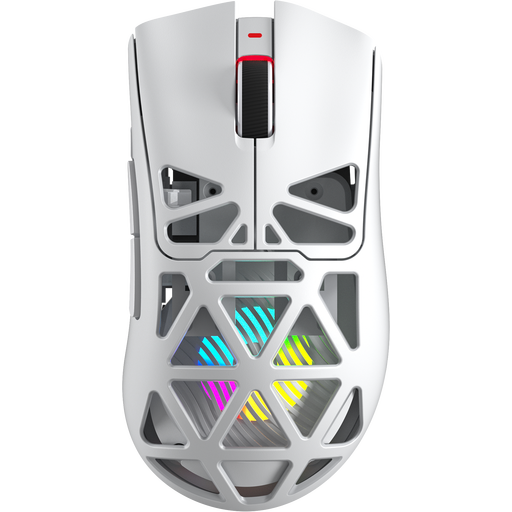
 No image available
A wireless option with multiple connection methods if you want to adjust sensitivity to suit a consistent practice setting.
PAW3311 sensor; 24,000 DPI; weight 63 g; Bluetooth, 2.4G and USB-C. The product description lists a polling rate of up to 1,000 Hz in wired and 2.4G modes, and an ergonomic shape for medium to large hands and claw or palm grip.
 No image available
A wireless option with multiple connection methods; check the sensor and settings on the mouse mat you practise on.
PAW3311 sensor; 12,000 DPI; 8 kHz; weight 67 g; Bluetooth 5.0, 2.4G and USB-C. The title lists a 400 mAh battery.
Yes. An optical mouse sensor uses its own light source to detect movement across a surface. Visible RGB lighting or light from the room isn’t required for this type of sensor. Do check that the model you choose tracks well on your mouse mat.
Check the sensor and try a different surface. SteelSeries recommends a smooth, matt surface for an optical mouse, among other things. Follow your model’s instructions for cleaning and updates.
For online purchases in the Netherlands, you generally have 14 days from delivery to change your mind, according to ACM ConsuWijzer. Conditions and exceptions apply to unpacking, trying out and returning items, so check these in advance. This is separate from your rights if the product is faulty or its description is misleading.
If the mouse doesn’t meet the expectations you were entitled to have, you can claim your statutory guarantee from the retailer. This is separate from any guarantee period stated by the manufacturer or retailer.
Radio equipment placed on the EU market is covered by the Radio Equipment Directive, which sets requirements including safety, electromagnetic compatibility and spectrum use. According to the European Commission, the manufacturer uses the CE mark to indicate that the product meets the relevant EU product rules; the mark is not a separate approval by an EU authority.