
Player of fast-paced team games
Wants to track movement clearly, so pays attention to refresh rate, motion handling and the available video output.


Start by choosing a screen size that fits your desk, then check that your PC or console supports the resolution and refresh rate you want through the connection you plan to use. A compact Full HD monitor could be a good fit if desk space and fast action are your priorities. QHD gives you more pixels, but takes up more space and needs to suit your device and budget. For fast-paced scenes, compare independent measurements of motion handling and input lag rather than relying on a quoted millisecond figure alone.
Wants to track movement clearly, so pays attention to refresh rate, motion handling and the available video output.
Needs to fit the screen alongside study materials or other equipment, so considers its width, stand and adjustability.
Uses the same screen for gaming and studying, and weighs the extra workspace of QHD against size, system requirements and cost.
First, work out how much space you have and what you’ll use the screen for. Then check that your device and connection can handle the picture settings you want.
| What to consider | What should you check? | Who should give this more weight? |
|---|---|---|
| Motion during games | Check the maximum refresh rate for each connection and compare it with the output of your PC or console. Assess the quoted response time and measured motion handling separately. | If I play fast-paced team games, I want to track movement clearly and know which picture settings my device can actually deliver. Around 31% of consumers prioritise smooth, clear motion. |
| Desk space | Measure the space available and compare it with the screen’s dimensions, including the stand. Also check the height adjustment and, if you plan to use a monitor arm, the VESA size. | On a small desk, the screen needs to fit alongside study materials or other equipment. Around 25% of consumers give available desk space top priority. |
| Purchase and running costs | Compare the total price, any cables you may need and the energy label details for the same model. If you’re considering additional cover, check whether it genuinely adds to your rights. | If I have a limited budget, I want to pay for features I’ll actually use. Around 25% of consumers prioritise cost. |
| Gaming and studying on one screen | Compare the resolution and screen size with how you’ll use it, and check which picture settings each input supports. | I want to use documents and windows alongside games without choosing a screen that doesn’t suit my desk or system. Around 19% of consumers are mainly looking for one screen for both studying and gaming. |
The maximum supported refresh rate can vary by input. MSI states that the MAG 272QPF E20 supports up to 200 Hz at QHD via DisplayPort and 144 Hz via HDMI.
Check the resolution and maximum refresh rate for the specific input on the model you’ve chosen, then compare them with the output of your PC or console.
Pixel response time and input lag are different things. A quoted response time alone doesn’t tell you how motion looks in a full test.
Check what the quoted figure measures and, where possible, compare independent tests of motion handling and input lag. RTINGS describes both as relevant features for fast-paced games.
The stand takes up space too. The dimensions of the screen with its stand and the mounting size also matter if you’re considering a monitor arm.
Measure your desk and compare it with the dimensions including the stand, and the VESA size, of the exact version you want to buy.
Additional cover doesn’t replace your statutory rights if a product is faulty. The Dutch government states that there is no fixed statutory guarantee period in the Netherlands; what you can expect depends, among other things, on the product and the circumstances.
Before paying for additional cover, compare what it includes and excludes with your statutory rights.
The 24G4X is a 23.8-inch Full HD Fast IPS monitor, while the regional Q27G3XMN/BK is a larger QHD Fast VA model with Mini LED backlighting.
According to MSI, the MAG 272QPF E20 is a 27-inch QHD Rapid IPS monitor.
The G27Qi EU is a 27-inch QHD monitor for which Xiaomi publishes Dutch product specifications.
The G2724D is a 27-inch QHD Fast IPS model with an adjustable stand.
The MOBIUZ EX251 is a Full HD gaming monitor with built-in speakers and several video inputs.
This selection consists mainly of compact Full HD monitors and portable screens for gaming and everyday use. Check that each model’s size, stand and connections suit your desk and device.
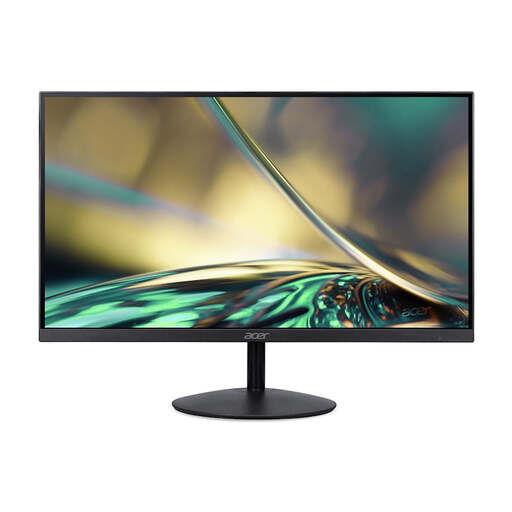 No image available
This 24-inch Full HD model is worth comparing if you’re looking for a compact screen for gaming and everyday use.
The title lists 100 Hz and HDMI; the product description also mentions VGA. According to the product description, the power adapter isn’t included as standard and must be purchased separately.
 No image available
According to the product title, this portable 16-inch model is designed for gaming, work and travel, and has a built-in kickstand.
The title lists Full HD IPS, 144 Hz, 16:10, FreeSync, two USB-C ports and Mini HDMI.
 No image available
According to the product title, this portable 16-inch monitor is designed for gaming and work. Its built-in kickstand can help you set it up flexibly.
The title lists 2.5K, 144 Hz, IPS, 100% sRGB, two USB-C ports and Mini HDMI.
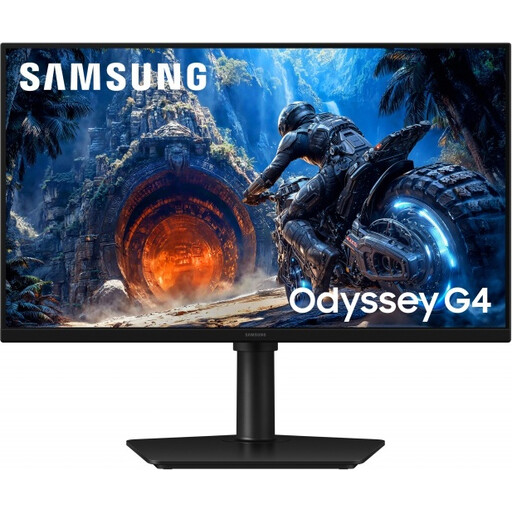 No image available
This 25-inch Full HD Fast IPS model is worth comparing if you’re looking for a gaming monitor with an adjustable stand.
The product title lists up to 300 Hz via DisplayPort and 240 Hz via HDMI. According to the product description, this monitor doesn’t have built-in speakers.
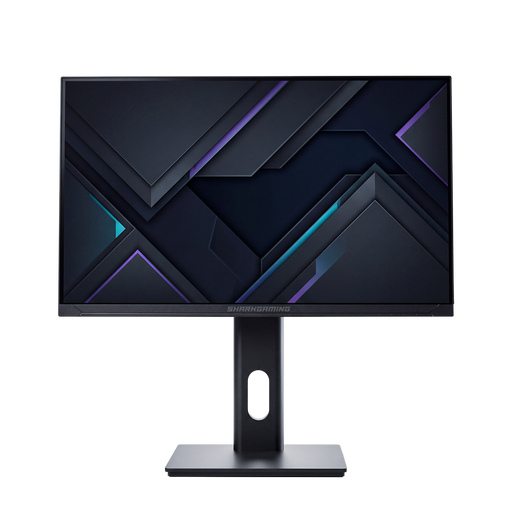 No image available
This 24-inch Full HD monitor is a compact gaming option; the product title lists 200 Hz.
The product information mentions HDMI, DisplayPort, Adaptive Sync and an adjustable stand.
No. A quoted pixel response time isn’t the same as overall input lag or a full measurement of motion handling. RTINGS discusses response time and input lag as separate features. Where possible, compare independent measurements and also check what your connection supports.
Use a connection that supports the resolution and refresh rate you want, then select that setting on your device. Check the specifications for the exact model: MSI states that the MAG 272QPF E20 supports up to 200 Hz at QHD via DisplayPort and 144 Hz via HDMI.
Yes. Check that both your source device and the connection you’ve chosen support variable refresh rate. VESA says that synchronising with a variable frame rate can help reduce tearing and stuttering. A feature listed on the monitor alone doesn’t confirm that the whole connection supports it.
When you buy online from a business, you’ll often have a statutory 14-day cooling-off period; check the terms of your specific purchase. You’re also entitled to a product that meets reasonable expectations. According to the Dutch government, there is no fixed statutory guarantee period in the Netherlands: what you can expect depends, among other things, on the product and the circumstances. If something is faulty, the seller must provide a solution.