
Player in fast-paced squad battles
Wants to track movement clearly during fights and match the desired refresh rate to the game, device and connection. AOC and Dell Netherlands list the refresh rates and connection requirements for specific models.


Start by considering the combination of device, connection and in-game frame rates you can actually make use of. A higher refresh rate only matters if the whole setup supports the setting you want. Full HD prioritises a compact, fast display, while QHD offers more pixels and places greater demands on your display setup. For long sessions, adjustment, readability and breaks matter too. Only choose OLED after considering the care required and the terms for the specific model.
Wants to track movement clearly during fights and match the desired refresh rate to the game, device and connection. AOC and Dell Netherlands list the refresh rates and connection requirements for specific models.
Wants to read details and interface elements clearly without losing sight of smoothness. MSI and ASUS model specifications show why it’s worth comparing resolution and screen size together.
Pays attention to adjustment and readability, and wants to take enough breaks while playing. Arboportaal recommends looking away regularly and changing posture when working at a screen, among other things.
Start with the gaming performance and connection you want. Then compare resolution, screen size and adjustability based on what matters most during your long sessions.
| What to consider | What should you check? | Who does this matter most to? |
|---|---|---|
| Smooth, clear movement | Check the refresh rate at your chosen resolution and input, and the frame rates your system achieves in the game. A GtG figure on its own doesn’t show how clear movement will look in practice. | If you want to follow movement clearly during squad battles, the usable refresh rate comes first. Around 26% of consumers make smooth action their main buying priority. |
| Sharpness and a clear overview | Compare resolution and screen size with your viewing distance. AOC lists 1920 × 1080 for the 24G4X; MSI lists 2560 × 1440 for the G274QPF E2. | If you want to read details and in-game elements clearly, look at the combination of resolution and screen size. For around 21% of consumers, sharpness and a clear overview come first. |
| Comfort during long sessions | Check how adjustable the stand is and how easy the screen is to read in your lighting conditions. Arboportaal recommends looking away regularly, changing posture and taking micro-breaks. | If you play for long periods, a well-adjusted screen and regular breaks can both be important. Around 21% of consumers put comfort during sessions first. |
| Compatibility with PC or console | Check that you can get the resolution and refresh rate you want using the exact input and cable you plan to use. Dell lists a maximum of QHD 180 Hz via DisplayPort and QHD 144 Hz via HDMI for the G2725D. For PS5 output at 120 Hz, Sony also specifies console settings and game support as requirements. | If you mainly want to be sure that your PC or console can deliver the display setting you want, check the entire connection. Around 16% of consumers name compatibility as their top buying priority. |
| Value and after-sales support | Compare the features you’ll actually use and read the terms for the exact model. For OLED, it’s worth taking the screen care instructions and warranty terms into account. | If useful features and after-sales support matter more to you than an extra specification, take a look at the terms too. Around 16% of consumers put value and after-sales support first. |
The maximum listed combination can vary by input. Dell lists QHD 180 Hz via DisplayPort and QHD 144 Hz via HDMI for the G2725D.
Before choosing a display setting, check the specification for your resolution, input and source device.
MSI G274QPF E2 and MSI MAG 272QPF E20 are different model codes. AW2726DM and AW2725DM aren’t the same full model name either.
Before buying, compare the full model code and the panel and connection specifications for the version you have in mind.
MSI explains that long periods displaying static images can pose a risk of burn-in on OLED screens, and that screen care features help reduce this risk but can’t eliminate it.
Follow the instructions and check the warranty terms for the exact OLED model you’re considering.
The 24G4X is a compact Full HD example for anyone who prioritises fast action.
The G274QPF E2 is an example of a 27-inch QHD LCD monitor.
The TUF Gaming VG27AQ3A is a QHD IPS example featuring synchronisation technologies listed by ASUS.
Dell offers an LCD option with different maximum settings for each connection, as well as a separate QHD QD-OLED model under the Alienware name.
BenQ’s Dutch MOBIUZ range includes both a QHD 240 Hz option and an OLED model.
This selection includes Full HD and QHD gaming monitors in a range of screen sizes and to suit different priorities, from a compact, fast display to extra pixels and adjustability.
 Image unavailable
An option worth considering if QHD detail and an adjustable setup matter to you.
2560 × 1440; IPS; 180 Hz; stand with height adjustment, swivel and tilt.
 Image unavailable
A QHD option if you want to combine fast action with more pixels than Full HD.
27 inches; 2560 × 1440; 180 Hz; FreeSync Premium; HDR10; 2× HDMI 2.0 and 1× DisplayPort 1.4.
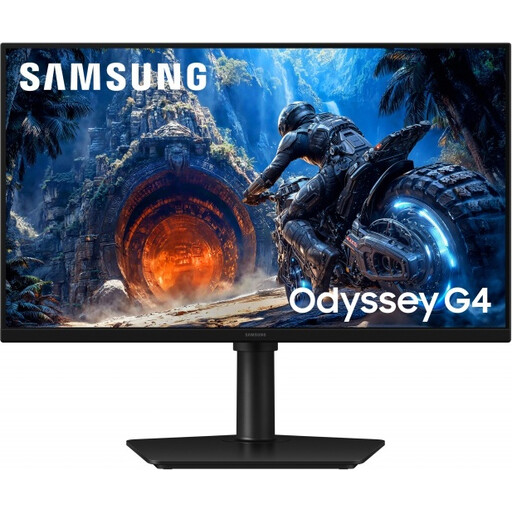 Image unavailable
A compact Full HD option if speed and extensive adjustability matter to you.
IPS; up to 300 Hz via DisplayPort and up to 240 Hz via HDMI; stand with height, tilt, swivel and pivot adjustment.
 Image unavailable
A curved QHD option if you’re looking for a screen with a high listed refresh rate and a curved design.
2560 × 1440; 240 Hz; Rapid VA; FreeSync Premium.
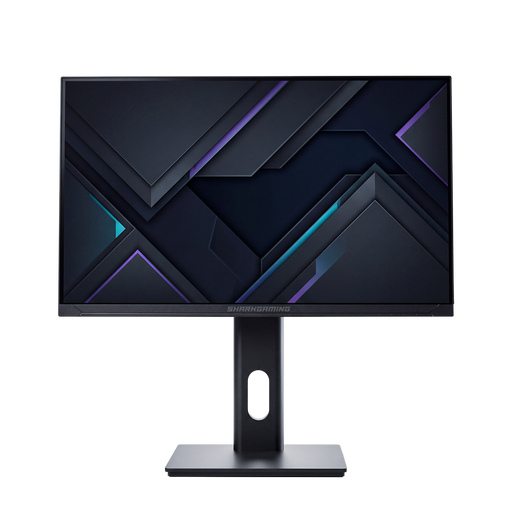 Image unavailable
A compact Full HD option if you’re looking for a listed refresh rate of 200 Hz and an adjustable stand.
24 inches; IPS; Full HD; 200 Hz; stand with height, tilt, swivel and pivot adjustment.
A higher refresh rate on the monitor isn’t enough on its own. Check the supported HDMI setting, cable and PS5 settings, and whether the specific game supports a 120 fps mode. Sony lists these requirements for 4K output at 120 Hz.
No. Don’t treat it as a substitute for a screen setup that’s easy to read or for taking breaks. Arboportaal recommends looking away, changing your posture and taking micro-breaks, among other things.
Avoid leaving static images on screen for unnecessarily long periods and follow the screen care instructions for the exact model. MSI explains the risk of burn-in and its own OLED Care features; this information doesn’t confirm which features or warranty terms apply to a monitor from another brand.
If a product is faulty, the seller is responsible for the statutory guarantee and an appropriate solution, such as a free repair or replacement. The Authority for Consumers and Markets (ACM) explains this responsibility. For a standard online consumer purchase, you generally also have a cooling-off period of up to 14 days after delivery, according to ACM ConsuWijzer. Exceptions may apply, and the cooling-off period is separate from your rights if a product doesn’t conform to the contract.