
Sharing a room and hoping for quieter gaming
You play while someone else is in the same bedroom and want to weigh up fan noise against gaming performance.


Start with the transport simulators and map sizes you play: according to Urban Games, large maps in Transport Fever 3 can require more memory and processor power, while the graphics card matters most when graphics demands are the bottleneck. In a shared bedroom, don’t choose based only on screen size or GPU. Check how noisy the exact laptop is while gaming, which performance modes it offers and how much free space there is around its vents. A quieter mode may limit power; none of the models discussed has been confirmed as the quietest.
You play while someone else is in the same bedroom and want to weigh up fan noise against gaming performance.
You play long sessions on large or densely built-up maps and focus mainly on processor load and memory.
You want to be able to move your laptop easily while still leaving enough room for ventilation.
| What to consider | What should you look for? | Who is this important for? |
|---|---|---|
| Fan noise while gaming | Look for a test of the exact model under gaming load and check which performance modes the laptop supports. | If I’m playing while someone else is resting in the room, I want to know how much noise the laptop makes during gameplay. Around 29% of consumers put a peaceful room at the top of their list. |
| Simulation speed on large maps | Compare the processor, RAM and graphics card with the game’s requirements and map size; where possible, look for tests using a similar simulation. | For long sessions on large or busy networks, I want to check that the laptop can handle the demands of my game. Around 29% of consumers prioritise performance on large simulation maps. |
| Memory, storage and upgrade options | Check the installed RAM, any upgrade options and the SSD capacity for the full model code. Urban Games lists 16 GB RAM as the recommended configuration for Transport Fever 2 on Windows and Linux; this isn’t a universal requirement for every game. | If I play on larger maps or want to upgrade later, I want to know the memory configuration of the exact model. Around 24% of consumers give memory and upgrade options top priority. |
| Desk space and setup | Measure the available space and compare it with the dimensions of the exact model. Keep the vents clear and use a sturdy, flat surface. | With a small desk, I want to position the laptop without blocking its air vents. Around 18% of consumers prioritise space and portability. |
A more powerful graphics card won’t necessarily fix a slow simulation. Urban Games explains that in Transport Fever 3, heavily loaded processor cores can limit a simulation even when the GPU isn’t being fully used.
First, work out whether it’s mainly the graphics quality or the simulation speed that’s falling behind. Then compare the processor, memory and graphics card with the game and map size you use.
A more expensive graphics card may make no difference to a processor-limited simulation.
A performance mode can adjust the available power and fan control. A quieter mode may therefore also affect performance; the name of a mode doesn’t tell you how noisy a laptop will be under the load of your game.
Check which modes the exact model supports and, if available, look for comparable noise measurements while gaming. Also bear in mind that performance may vary.
RAM, storage and screen specifications can vary between models. A product name that identifies a model range won’t always tell you which configuration you’ll get for your maps.
Make a note of the full model code and use it to check the memory, storage and screen before comparing models.
Another model may have less memory or different screen specifications than you expected.
The LOQ 15AHP11 is a 15.3-inch range worth including in a comparison for a smaller workspace. Some Legion models offer adjustable operating modes.
The TUF Gaming 16 is worth comparing if upgradeable RAM and SSD storage are important to you. Some ROG models offer operating modes that balance noise and power.
The HyperX OMEN 16-ap1678nd is a specific 16-inch model worth comparing if screen resolution and graphics configuration are important to you.
The Nitro V 16 AI model NH.QYXEH.00B is a specific model worth comparing if memory and screen size matter to you.
The Katana 15 HX B14WFK is a 15.6-inch range that lets you compare screen and GPU configurations side by side.
These Joybuy products offer a range of configurations to compare for transport simulations and use at a smaller or larger desk. For each model, check the full configuration, dimensions and specifications that suit your game.
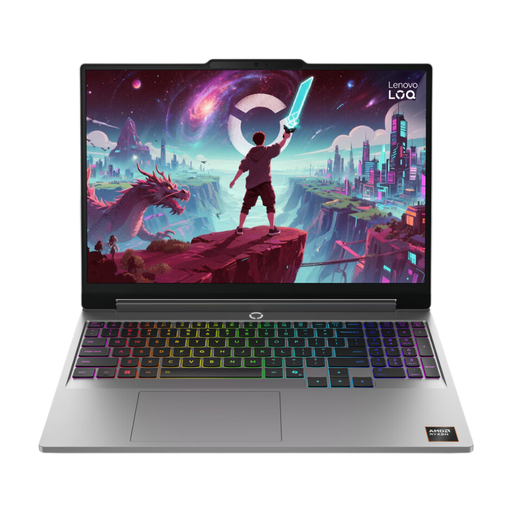 No image available
A 15.3-inch model worth comparing if desk space is a consideration.
15.3-inch WUXGA screen, Ryzen 7 250, RTX 5070, 16 GB RAM and 512 GB SSD.
 No image available
A 16-inch model to compare with your available desk space and the requirements of your chosen game.
Intel Core 7 240H, NVIDIA GeForce RTX 5070, 16 GB DDR5, 1 TB SSD and a WUXGA screen with a 144 Hz refresh rate.
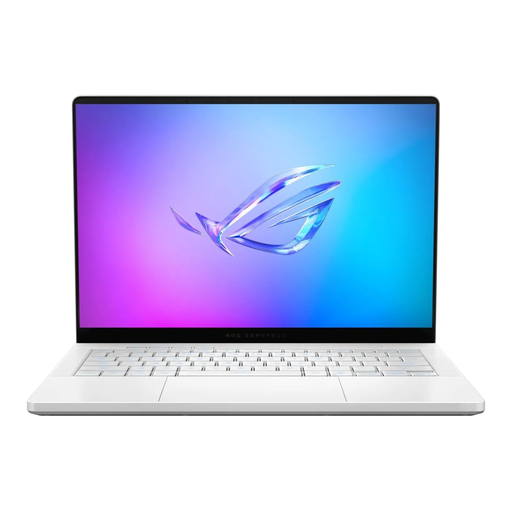 No image available
The 14-inch model is worth comparing if you have limited desk space.
Ryzen 9 270, RTX 5070, 32 GB memory and 1 TB SSD.
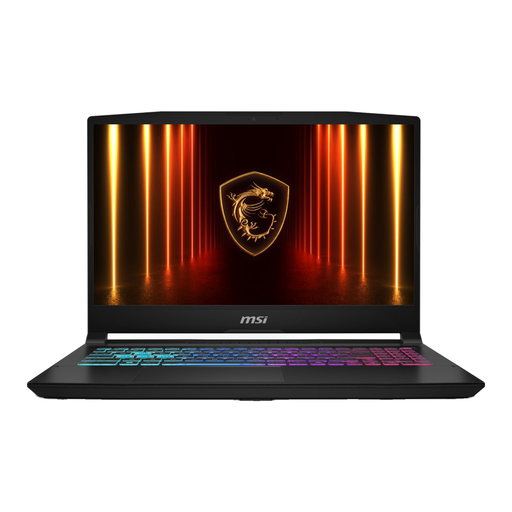 No image available
Compare the model with the requirements of your transport simulator and the space available on your desk.
16 GB memory and 512 GB SSD. The product description states that the power adapter must be purchased separately.
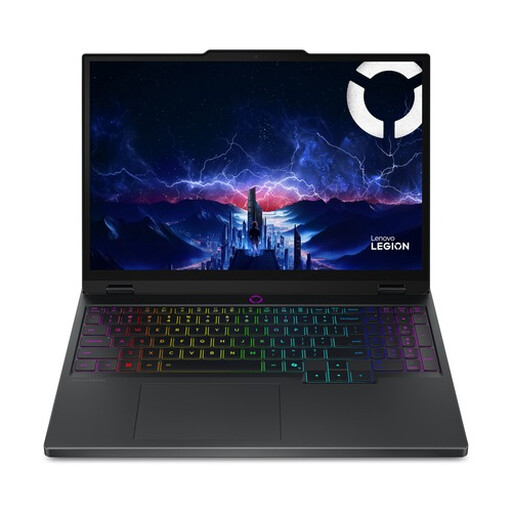 No image available
A 15.1-inch model worth comparing for use at a smaller desk.
Core Ultra 7 255HX, RTX 5070, 16 GB RAM, 512 GB SSD and an OLED screen with a 2560 × 1600 resolution and 165 Hz refresh rate. The product description states that the power adapter must be purchased separately.
Not necessarily: recommendations and workloads can vary between games. For Transport Fever 2 on Windows and Linux, Urban Games recommends 16 GB RAM. The Transport Fever 3 manual explains that larger maps require more memory and often more processor power too. Check the requirements for the game you actually want to play.
Use the laptop on a sturdy, flat surface and keep the vents clear. ASUS warns that a soft surface can block airflow, so keep the laptop clear of bedding while you’re using it.
According to the Dutch Government, online purchases from a business usually come with a statutory 14-day cooling-off period. Before buying, check which terms apply to your order and distinguish this legal right from any more generous returns policy offered by the seller.
Additional warranty cover isn’t automatically necessary; check what extra rights the terms actually provide. The Dutch Government explains that there’s no fixed statutory warranty period in the Netherlands and that the seller is your point of contact if a product is faulty.