At a shared desk, start by considering screen space and how you can set up the laptop and any separate input devices. Don’t automatically go for the most powerful graphics card. Aseprite describes tilesets as part of tilemaps, but this alone doesn’t mean you need a powerful GPU. If you also use demanding games or graphics software, compare their requirements with the full laptop specification and weigh the benefits of extra screen space against the laptop’s size.
Who is this guide for?
Tileset artist sharing a desk
You want a clear view of your canvas and tools, and to be able to clear the workspace after use. If you’re an employee who spends more than 2 hours a day working at a screen, also bear in mind the workstation requirements set out by Arboportaal.
Creator who also uses games or more demanding graphics software
You use applications other than tilemap software and want to weigh their requirements against the memory, screen and GPU of the exact laptop configuration. For example, Adobe publishes Photoshop system requirements that depend on the version and operating system.
Creator who often changes workspaces
You regularly take your laptop with you and need to weigh a larger built-in screen against the space the device takes up at different desks. So compare the full configuration, not just the product line name.
What should you look for when sharing a desk?
First, check whether you can set up the workspace to suit you. Then compare screen space, and only after that check what extra performance your other programmes require.
| What to consider |
What should you check? |
Who is this important for? |
| Setting up your workspace |
Check the available desk space and connections, and which separate input devices you can use. Arboportaal sets out requirements for employees who spend more than 2 hours a day working at a screen, including the use of a separate monitor or keyboard. |
If I have to clear the laptop away after using a shared desk, I want to know whether I can connect my drawing equipment and set up the workspace to suit me. Around 36% of consumers put this first. |
| Seeing your canvas and tools clearly |
Compare the screen size, resolution and finish of the exact configuration. Check that your canvas and panels will fit in the layout you want. |
If I want to see my tileset and tools at the same time, the available screen space matters. Around 29% of consumers prioritise drawing space and the screen. |
| Portability and choosing the right configuration |
Compare the laptop’s size and the items you’ll need to carry with how often you move it. Also check that the memory and storage suit the programmes you use. |
If I often need to clear the shared workspace, I want a configuration that suits my needs without having to carry unnecessary extras. Around 21% of consumers prioritise portability and a suitable configuration. |
| Power for other uses |
List the software and games you use alongside tilemaps, then compare their requirements with the processor, RAM and GPU listed for the full model code. |
If I also use more demanding games or graphics software, I check the system requirements for each one. Around 14% of consumers prioritise extra gaming or graphics performance. |
Pitfalls to avoid
-
Choosing the highest refresh rate as if it makes tileset work more precise
A high gaming refresh rate won’t automatically make a screen better suited to drawing individual pixels. You could end up prioritising a screen feature for other uses over the workspace you actually need.
First check that the screen displays your canvas and tools clearly. Then compare the requirements of any games or other programmes you also use.
-
Assuming every configuration has the same specifications as the product line
Screen, memory and keyboard options can vary between full model codes. A product line description doesn’t automatically tell you which configuration you’re buying.
Check the full model code and the specifications of the specific offer before placing your order.
-
Confusing the manufacturer’s warranty with your statutory rights
The Government of the Netherlands says there is no fixed term for the statutory guarantee in the Netherlands, and that you should contact the seller if a product develops a fault.
Check any additional manufacturer’s or seller’s warranty separately from your statutory rights.
Gaming laptop brands to consider
Lenovo
The Legion Pro 5 16, model code 83LT004QMH, is an example of a 16-inch configuration with an anti-glare screen and 32 GB RAM.
- Lenovo Netherlands lists a resolution of 2560 × 1600 pixels, 32 GB RAM and an RTX 5060 for this configuration.
- This configuration has an English (EU) keyboard. Check that the layout suits you.
HP
The OMEN 16-am0625nd is another 16-inch configuration, with 16 GB RAM and a 1920 × 1200-pixel screen.
- HP lists an RTX 5050 and an included charger for this configuration.
- The screen and memory specifications apply to this model code and not necessarily to other OMEN configurations.
MSI
The Cyborg 15 B2RW (B2RWEKG-083NL) is a 15.6-inch example you can compare with a 16-inch laptop if you’re considering a more compact screen.
- ALTERNATE Netherlands lists 16 GB RAM, 512 GB SSD storage and an RTX 5050 for this model code.
- The specifications for this configuration don’t automatically apply to other Cyborg models.
ASUS
The TUF Gaming A16 product line includes a range of screen and memory configurations.
- ASUS says the product line has upgradeable RAM and SSD slots.
- Check the full model code: product line information doesn’t prove that every A16 has the same options or performance.
Joybuy models for tilesets and other uses
The Joybuy models below are gaming laptops with 15.3- or 16-inch screens. Compare the built-in workspace with the space available at your shared desk, and consider what you’ll need to carry after use.
 Image unavailable
ASUS ROG Zephyrus G16 GU605CM-QR026W, 16″
A 16-inch model to consider if you’re weighing space for your canvas and panels against the space the laptop takes up on a shared desk.
The product name lists an Ultra9-285H processor, RTX 5060, 16 GB RAM and 1 TB SSD storage.
The charger must be purchased separately.
View at Joybuy
 Image unavailable
ASUS ROG Strix G16 G614FR-S5252W, 16″
This 16-inch configuration is worth considering if you want to weigh canvas space against the space available at your shared desk.
The product name lists a Ryzen 9 9955HX processor, RTX 5070 Ti, 16 GB RAM and 1 TB SSD storage.
The charger must be purchased separately.
View at Joybuy
 Image unavailable
Lenovo Legion 5 15AHP11, 15.3″ WQXGA OLED
The 15.3-inch screen makes this model an option if you’re weighing built-in screen space against the room your laptop takes up.
The product name lists a 165Hz screen, AMD Ryzen 7 250, 16 GB DDR5, 512 GB SSD storage, GeForce RTX 5060 and Windows 11 Home.
View at Joybuy
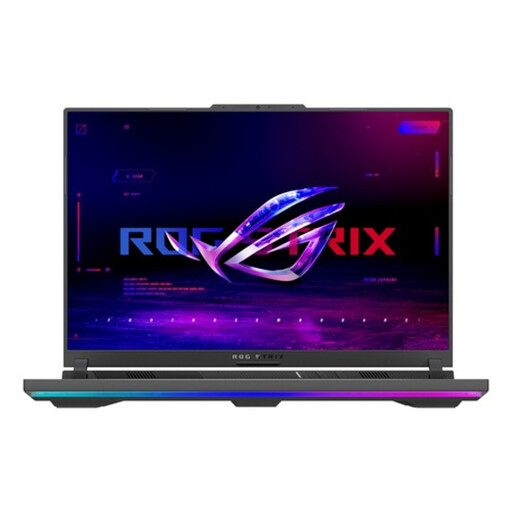 Image unavailable
ASUS ROG Strix G16 G614PP-S5032W
Compare the full model code with the screen, memory and connectivity requirements of your drawing software and shared workspace.
View at Joybuy
 Image unavailable
MSI Stealth 16 AI+ B3WF-011NL Copilot+ PC, 16″ QHD+ OLED
A 16-inch model to consider if you’re weighing built-in drawing space against the room the laptop takes up on a shared desk.
The product name lists an Intel Core Ultra 9 386H, GeForce RTX 5060, 32 GB DDR5, 1 TB SSD storage, Wi-Fi 7 and Windows 11 Home.
View at Joybuy
Frequently asked questions
Do I need a powerful graphics card for a tileset?
Aseprite describes tilemaps and tilesets without specifying that they need a powerful GPU. If you also use software such as Photoshop, check the requirements for your version and operating system. Adobe publishes separate minimum and recommended specifications.
How should I set up a laptop for long periods of work at a shared desk?
If you’re an employee who spends more than 2 hours a day working at a screen, Arboportaal says you must be able to use a separate monitor or keyboard when working on a laptop. Discuss the available setup with your employer; this requirement doesn’t automatically apply to every hobbyist.
What should I check after installing my drawing software?
Check that the software and any external input devices work with the laptop you’ve chosen. Follow the manufacturer’s instructions for the exact configuration when cleaning it and using the adapter.
What cooling-off period and statutory guarantee apply to a purchase in the Netherlands?
For eligible distance sales, the Government of the Netherlands generally states a 14-day cooling-off period. There is no fixed term for the statutory guarantee in the Netherlands; if a product develops a fault, contact the seller.


