
Designer at a small desk
You want to arrange your laptop, input devices and any peripherals so that you still have enough usable desk space. Arboportaal highlights the importance of considering the workspace when setting it up.


If you move your laptop around often and have little room for peripherals, start with a compact model and check that its built-in screen and ports suit your work. If you usually work in one place, consider a separate monitor and input setup too. You don’t automatically need a dedicated GPU for Figma alone, and using one can increase battery consumption.
You want to arrange your laptop, input devices and any peripherals so that you still have enough usable desk space. Arboportaal highlights the importance of considering the workspace when setting it up.
You’re looking for a laptop you can move around, and weighing up the built-in screen against gaming hardware and battery use. Figma Help Center outlines Figma’s graphics requirements, while Razer provides information about a compact laptop range.
You may want to use a separate monitor or input devices at home, so you’ll need to check that the setup will fit. Arboportaal offers guidance on setting up a screen-based workspace.
A good fit if: you move your laptop around often or have little room for a separate monitor.
The trade-off: a smaller screen shows less of a design with its panels at once. Figma Help Center says Figma has modest graphics requirements; according to Figma, a dedicated GPU can increase battery consumption.
A good fit if: you mainly work in one place and have room to position the monitor and input devices separately.
The trade-off: extra equipment takes up space, so check the video output and available room first. Arboportaal stresses that your setup depends on your workspace.
A good fit if: you want to work on the built-in screen and, after measuring, still have enough room for the laptop and mouse.
The trade-off: allow for the space taken up by the laptop, mouse and ventilation together, and check the dimensions of the exact model.
| What to consider | What should you check? | Who is this important for? |
|---|---|---|
| Desk space | Measure the space for the laptop, mouse and any separate input devices. Compare the dimensions and screen aspect ratio of the exact model. | If I’m designing at a small desk, I want the laptop and input devices to fit without making the screen awkward to work on. Around 31% of consumers prioritise usable workspace. |
| Working posture and connections | Check which video output the exact laptop has and how much room the monitor and input devices will take up. Employees who work at a screen for more than 2 hours a day can consult the relevant regulations at Arboportaal. | If I’m designing in one place for long periods, I want to be able to position the screen and input devices comfortably. Around 25% of consumers prioritise an adjustable, fixed workstation. |
| Portability and screen space | Compare the weight and chassis dimensions of the exact model. Consider whether you can work comfortably without an external monitor too. | If I often move between workspaces, I want a laptop I can take with me and use for design work on its built-in screen. This is the top priority for around 25% of consumers. |
| Gaming hardware and design software | Make a list of the games and other creative programmes you use. Check the GPU and memory for each configuration. | If gaming is a major consideration alongside design work, I want to choose hardware to suit both, not just Figma. Around 19% of consumers prioritise gaming alongside design work. |
A laptop might look like it will fit on paper, but once you add a mouse and other equipment, there may not be enough desk space left.
Measure the whole setup and consider both the physical space and how much of your design you can see clearly at once.
Figma’s requirements aren’t the same as those of games or other creative software. Figma Help Center says Figma has modest graphics requirements and notes that using a dedicated GPU increases battery consumption.
Make a note of the programmes and games you actually use, then choose your graphics configuration accordingly.
Memory, GPU and ports can vary between configurations; the ASUS model reviewed has soldered memory.
Compare the full model code with the specifications of the version you intend to buy.
The ROG Zephyrus G14 range includes compact gaming laptops; the GA403 model reviewed has a 14-inch OLED screen and a dedicated GPU.
Lenovo positions the Legion Slim 5 Gen 8, with its 14.5-inch screen, for gaming and creative work.
Razer describes the Blade 14 as a compact gaming laptop range with an OLED screen.
HP lists OMEN 14 models with a 3K OLED screen and dedicated RTX GPUs.
This selection from Joybuy includes compact gaming laptops and larger models for designing on the built-in screen. Compare the laptop’s footprint, screen details and configuration with your desk and how you plan to use it.
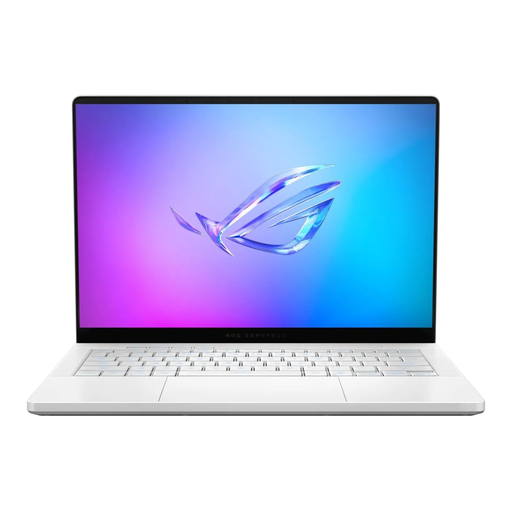 Image unavailable
A good fit if you’re looking for a compact gaming laptop for design work and gaming on the built-in screen.
14-inch screen, Ryzen 9 270, RTX 5070, 32 GB memory and 1 TB SSD.
The product name specifies a QWERTY keyboard.
 Image unavailable
A good fit if you’re considering a compact model for design work on its own screen and gaming.
14-inch screen, Ryzen 9 270, RTX 5060, 16 GB memory and 1 TB SSD.
The memory is soldered and can’t be upgraded by the user. The product name specifies a QWERTY keyboard.
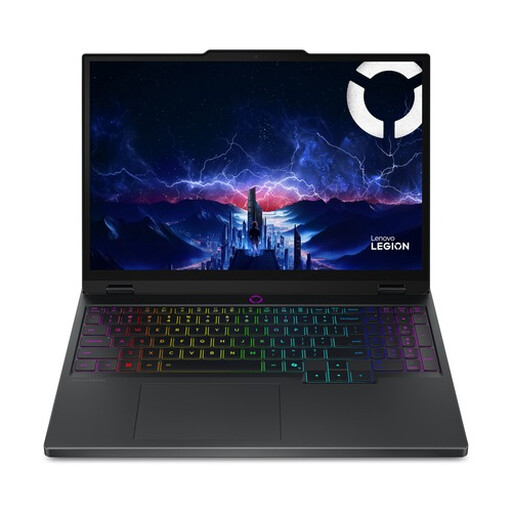 Image unavailable
A good fit if you want more built-in screen space and can check in advance that the larger laptop will fit on your desk.
15.1-inch screen, Core Ultra 7 255HX, RTX 5070, 16 GB memory and 512 GB SSD.
According to the product description, the charger must be purchased separately. The product name specifies a QWERTY keyboard.
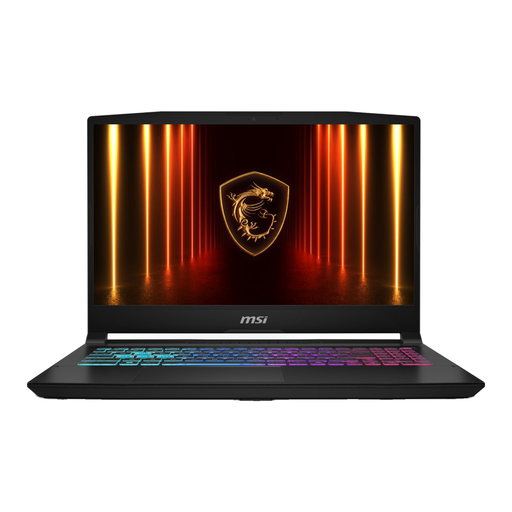 Image unavailable
A good fit if you want to use a larger gaming laptop with its built-in screen and have enough desk space.
The product name specifies 16 GB memory, a 512 GB SSD and a QWERTY keyboard.
According to the product description, the charger must be purchased separately.
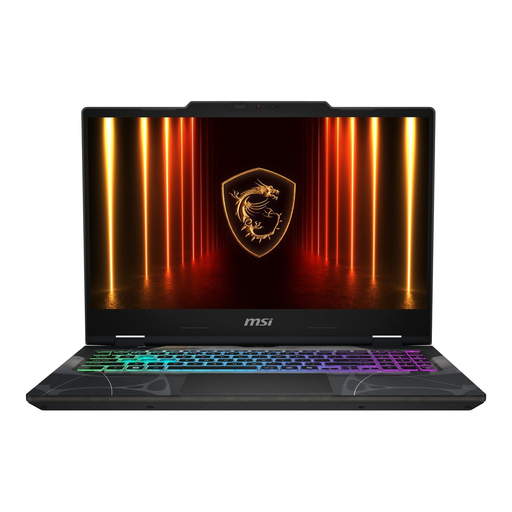 Image unavailable
A good fit if you want to combine gaming and interface design on one laptop and have room for a 15.6-inch model.
Intel Core 5 210H, 15.6-inch Full HD screen, 16 GB DDR5 memory, 512 GB SSD and RTX 5050.
According to the product description, the charger must be purchased separately. The product name specifies a QWERTY keyboard.
No, not if Figma is your only consideration: Figma Help Center says Figma has modest graphics requirements in a browser. According to Figma, a dedicated GPU can improve performance, but it increases battery consumption. Consider games and other software separately.
Measure the entire workspace and see whether you can position the screen and input devices separately. Arboportaal sets out specific workplace regulations for employees who work at a screen for more than 2 hours a day; check which ones apply to your working arrangements.
Not necessarily. Figma Help Center notes that large files can run into an active memory limit in the browser or application. Check Figma’s guidance on file memory too, rather than comparing laptops on memory capacity alone.
No. The Dutch Government states that a legal guarantee applies when you make a purchase and that the Netherlands has no fixed statutory guarantee period. If a product is faulty, contact the seller and consider separately what any additional warranty contract offers.