What should you consider when choosing?
Start with the game and settings you use, then compare the hardware, performance under sustained load and the laptop’s practical limitations.
| What to consider |
What to look for when buying |
Who is this important for? |
| Performance for your chosen game |
Make a note of the game, resolution and settings you want; then check the exact processor, laptop GPU, GPU memory and amount of RAM. |
When I build a big city, I want a configuration that suits the game and settings I use. Around 31% of consumers say suitable gaming performance is their top priority when choosing. |
| Cooling during long sessions |
Look for sustained-load tests of the exact model and check which performance and fan modes are available. Keep the vents clear. |
During long gaming sessions, I want to know how heat and fan noise will affect my experience. Around 25% of consumers prioritise cooling and comfort during extended play. |
| Screen readability |
Compare the screen size, resolution and brightness of the exact configuration; also check that text and controls are easy for you to read. |
When I spend a lot of time looking at maps and the interface, I want them to be easy to read on the built-in screen. Around 19% of consumers make screen readability their main buying priority. |
| Configuration and upgradeability |
Compare the complete configuration and check the memory and SSD slots for each model. Don’t assume upgrade options based on the series name alone. |
I don’t want to pay for hardware my games don’t need, but I do want to understand which upgrades might be possible later. Around 13% of consumers focus mainly on value and upgradeability. |
| Portability and battery use |
Check the weight, supplied adapter and power options for the exact model; look for tests of the game running on battery. |
When I play in different places, I want to know what I need to bring and what to expect away from a power socket. Around 12% of consumers prioritise portability and gaming without mains power. |
Joybuy products for city-building games
These gaming laptops are options to compare for city-building games and longer gaming sessions. Their specifications alone don’t guarantee any particular performance in a game.
 No image available
Thunderobot 16 gaming laptop, Core i7-14700HX, RTX 5070
Worth comparing if you’re looking for a configuration with a discrete GPU and a 16-inch screen; the specifications alone don’t confirm how it will perform in your game.
Core i7-14700HX, RTX 5070 and 32 GB RAM.
1 TB storage; 16-inch IPS screen with 2560 × 1600 resolution and 240 Hz refresh rate.
Listed with a UK RGB keyboard.
View at Joybuy
 No image available
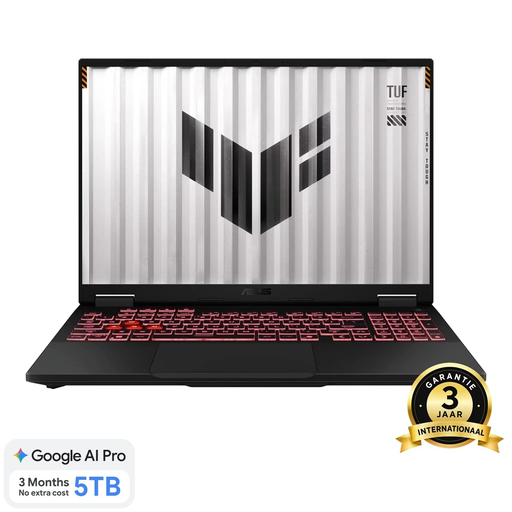
ASUS TUF Gaming A18 FA808UM-S8132W
Worth comparing if a larger built-in screen matters to you; also check that the complete configuration suits the game and settings you use.
AMD Ryzen 7 260, RTX 5060 Laptop GPU and 16 GB DDR5.
512 GB SSD; 18-inch WUXGA screen with 1920 × 1200 resolution, 144 Hz refresh rate and anti-glare finish.
The product description lists a 90 Wh battery.
View at Joybuy
 No image available
Acer Nitro 18 AI AN18-61-R25V
An option worth comparing if you want a large screen for maps and the interface; screen size and GPU specifications alone don’t predict how your game will perform.
AMD Ryzen AI 7 350, RTX 5060 with 8 GB GDDR7 and 16 GB DDR5.
1 TB SSD; 18-inch WQXGA IPS screen with 165 Hz refresh rate and anti-glare finish.
Listed with Windows 11 Home and a QWERTY keyboard.
View at Joybuy
 No image available
Thunderobot Storm 17 5060
Worth comparing if you want a larger screen for maps and controls; keep the vents clear while using it.
Core i7-13620H, RTX 5060 Laptop GPU and 16 GB RAM.
1 TB SSD; 17.3-inch QHD screen with 2560 × 1440 resolution and 165 Hz refresh rate.
View at Joybuy
Frequently asked questions
Are the recommended requirements for Cities: Skylines II the same for every city-building game?
No. The publishers list different system requirements for Cities: Skylines II, Cities: Skylines and Anno 1800. The desktop GPUs listed for Cities: Skylines II also aren’t directly comparable with laptop GPUs. Check the exact laptop configuration and the settings you want to use.
How should you use a gaming laptop during a long session?
Keep the vents clear and check your model’s performance mode and power supply. Lenovo notes that its performance mode may allow for higher temperatures and fan speeds; ASUS advises against blocking the vents.
Can you use a small USB-C charger for a long gaming session?
That depends on the power support of the exact laptop and how heavily it is being used. ASUS lists 65 W or 100 W USB-C power for certain supported models when the processor and discrete GPU are not under heavy load; this is not a general guarantee for gaming under heavy load.
What warranty are you entitled to in the Netherlands if a product is faulty?
You’re entitled to a product that meets the expectations you’re entitled to have of it; in the Netherlands, there is no fixed statutory warranty period. According to the Dutch government, if a product is faulty, you should contact the seller, not just the manufacturer. An additional warranty does not replace this statutory right.
Do you have a cooling-off period when buying online in the Netherlands?
In many cases, you have 14 days to change your mind when buying online from a business. The Dutch government outlines exceptions and distinguishes between purchases from a business and purchases from a private seller, so check who the seller is and which terms apply to your purchase.


