
Vandaag of morgen in huis

Kwaliteit gegarandeerd

Welkomstaanbiedingen ontgrendelen: GRATIS bezorging | Tot 80% korting | Gratis 30 dagen JoyPlus-proefperiode
Download de app
Choosing a new gaming laptop is a major decision. You're looking for a machine that gives you a competitive edge and fully immerses you in the latest titles. But the market is flooded with marketing jargon and specifications that confuse more than they clarify. The result? Gamers overpaying for features they don't need or, worse, buying a laptop that underperforms after just a few months.
As a Joybuy Product Recommendation Officer, I cut through the noise and give you actionable advice. Let's look at the three most common pitfalls and how you can avoid them.
Manufacturers often advertise with the most powerful processors (CPUs). While a good CPU is important, for gaming, the graphics card (GPU) is almost always the deciding factor. An expensive CPU paired with a mediocre GPU is a classic unbalanced build. You're paying for processing power your games won't use, while graphical performance lags behind.
What's the use of a powerful RTX 5060 laptop if your screen can't display the frames fast enough? Many affordable models skimp on the display. A low refresh rate (60Hz) causes screen tearing and a blurry image during fast motion. For serious gamers, a 144Hz screen or higher isn't a luxury, but a necessity for a smooth and responsive experience.
A powerful gaming laptop generates a lot of heat. Without an effective cooling system, the components will throttle themselves (thermal throttling) to prevent overheating. The consequence is that your expensive hardware can't run at full power, precisely when you need it in an intense gaming session. Performance plummets, and your laptop feels sluggish.
Before you buy a gaming laptop, there are a few technical specifications you can't afford to overlook. These determine the real-world performance and longevity of your machine.
The GPU is responsible for rendering the images you see on your screen. For gaming in 2026, a model from the NVIDIA GeForce RTX 50 series is a solid starting point. An RTX 5060 laptop offers an excellent balance between price and performance, capable of running most modern games smoothly at 1080p and 1440p resolutions with high settings. Pay attention to the amount of video memory (VRAM); 8 GB GDDR7 is a good standard for the years to come.
Focus on these three points:
Specs on paper mean nothing if the laptop overheats. Look for models with multiple fans, large ventilation openings, and heat pipes. Brands like HP OMEN and Lenovo Legion are known for their robust cooling systems and solid build quality, which is essential for sustained performance.
Here are a few popular choices that cater to different types of gamers, selected for their balanced configurations and avoidance of the pitfalls mentioned.
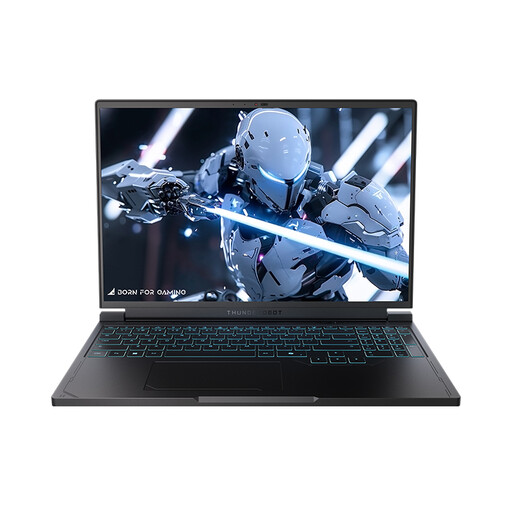
Why This Fits Their Persona: For esports players, every millisecond counts. This laptop is built for pure speed, focusing on the components that matter most in competitive games.
This laptop sidesteps the 'slow display' pitfall with an extremely fast 240Hz QHD display. This ensures an ultra-smooth picture and minimal input lag, crucial for fast-paced shooters.
The combination of a powerful AMD Ryzen 7 processor and an NVIDIA GeForce RTX 5060 GPU delivers high, stable framerates. The focus is purely on performance.
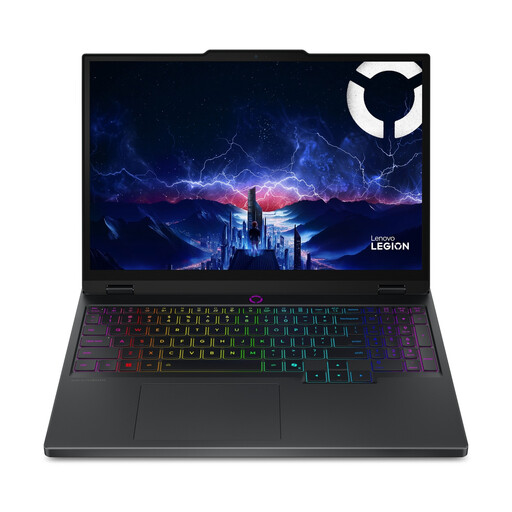
Why This Fits Their Persona: This user wants a machine that not only excels at gaming but also effortlessly handles demanding tasks like video editing or streaming. Quality and versatility are paramount.
Here, the 'overpriced CPU' pitfall becomes an advantage. The Intel Core Ultra 7 with 20 cores is a productivity powerhouse, perfectly balanced with the RTX 5060 for gaming. Moreover, the Legion chassis is renowned for its excellent cooling.
The 165Hz WQXGA OLED display is a major plus. It offers deep blacks and vibrant colours, ideal for both atmospheric games and colour-critical creative work.
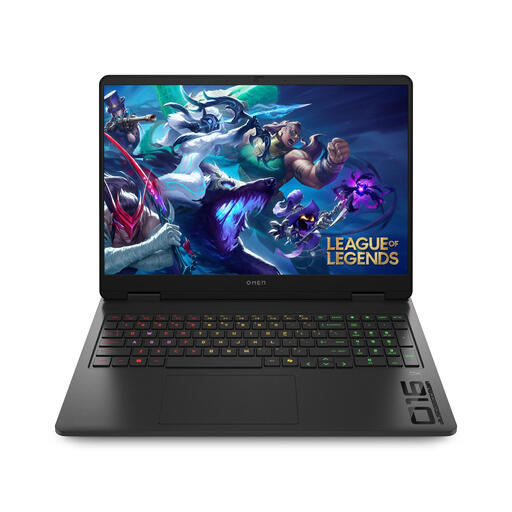
Why This Fits Their Persona: This gamer seeks top-tier performance but also values a sleek design and a premium feel. The laptop needs to look good on a desk and be powerful enough for any game.
The HP OMEN series is known for its advanced cooling system, thereby avoiding the 'performance killer' pitfall. Its powerful components can sustain their performance over long sessions without overheating.
The 16-inch 144Hz FHD display with NVIDIA G-SYNC ensures a smooth, tear-free experience. Its clean, minimalist design makes this laptop suitable for both gaming and professional use.
We have compiled a complete, real-time list of products that fully satisfy these strict selection criteria and UK safety regulations.
For most games in 2026, 16 GB of DDR5 RAM is the sweet spot. This provides enough headroom for your game, operating system, and background applications without performance loss. 32 GB is a worthwhile investment if you plan to stream or perform heavy multitasking simultaneously, but it's not a strict necessity for pure gaming.
Yes, a laptop with an NVIDIA GeForce RTX 5060 is a very capable choice for the coming years. You can expect to play most new games smoothly at 1080p (Full HD) and 1440p (QHD) resolutions with high graphics settings. It's an excellent middle ground that offers a lot of performance for its price.
While the built-in keyboards on gaming laptops are constantly improving, an external mechanical gaming keyboard offers significant advantages. The keys provide superior tactile feedback, faster response times, and greater durability. For serious gamers playing at home, a good mechanical keyboard, along with a precise gaming mouse, can make all the difference and complete your gaming setup.
