
Voice recordists dealing with unwanted room reverb
You want a character voice to remain clear in a room with sound reflections. Shure explains why the distance between your mouth and the microphone is an important consideration.


If you want to reduce unwanted room reverb, choose a headset microphone that sits close to your mouth and improve your recording space if needed. A headset won’t remove reflections that are already in a recording. Shure explains that a microphone can’t effectively separate direct speech from reflections, while CORSAIR describes why a headset microphone’s close positioning can be useful. If you want reverb as a character effect, start by recording a clear, as-dry-as-possible voice and check that your chosen software works with your headset and recording device. A separate microphone may be worth considering if you need more flexibility with positioning.
You want a character voice to remain clear in a room with sound reflections. Shure explains why the distance between your mouth and the microphone is an important consideration.
You want to create a distinctive character voice and may want to add reverb deliberately. Logitech G describes reverb delay as a BLUE VO!CE effect, but check that the software suits your recording setup.
You want to record with one headset while listening to game audio. The connection, microphone controls and features of the exact model all matter.
Choose this if: you want to listen and record at the same time, and can position the microphone close to your mouth.
Bear in mind: the microphone won’t fix the room acoustics; make a test recording in your own space.
Choose this if: you want to add reverb to a character voice deliberately and can use the software in your recording setup.
Bear in mind: check support for your exact headset and device; an effect won’t remove room reverb that’s already been recorded.
Choose this if: you need more freedom to position the microphone in relation to your mouth.
Bear in mind: you’ll need to set up a separate microphone and headphones; positioning still matters for the room sound in your recording.
| Consideration | What to look for | Who is this important for? |
|---|---|---|
| Unwanted room reverb | Check that you can position the microphone close to your mouth, and listen back to an unprocessed test recording. | If I record in a room with audible reflections, I want to keep my voice clear and be able to position the microphone properly. Around 50% of consumers prioritise clear speech when dealing with unwanted room reverb. |
| Voice effects | Check that your chosen effects work with the exact headset, software and recording device. | If I want to use reverb deliberately as a character effect, I want to be able to assess the unprocessed voice separately. Around 30% of consumers give adjustable voice effects top priority. |
| Connection and controls | Check the connection, mute controls and any software requirements for the exact model. | If you want to use one headset for gaming and voice recording, its connection and controls need to work with your device. Around 20% of consumers prioritise this combined use. |
Noise and reflected speech aren’t the same thing. A microphone can’t fix the acoustics of a room.
Start with an unprocessed test recording, with the microphone close to your mouth. Then decide whether you need to change your recording position or adjust the room.
Finding a different recording spot or adjusting your setup may take extra preparation time.
An adjustable voice effect is different from reflections captured along with your voice in the raw recording.
Decide whether you want to reduce or add reverb. If you want to add an effect, start with a clear voice recording and check software compatibility.
Connections and software features vary between models and devices.
Check the exact model, connection and software requirements for your recording device.
According to Razer, the wired BlackShark V2 X has a bendable cardioid microphone designed to capture your voice directionally.
According to HyperX, the wired Cloud III has a detachable microphone, physical mute controls and several connection options.
According to Logitech G, the PRO X 2 LIGHTSPEED combines wireless headset features with a cardioid microphone; BLUE VO!CE offers voice processing for supported setups.
According to SteelSeries, the wired Arctis Nova 3 has a retractable ClearCast Gen 2 microphone and uses USB-C on compatible platforms.
These Joybuy products are gaming headsets with microphones for anyone who wants to record their voice while gaming. Check the connection and features of the exact model to make sure they work with your recording device.
 No image available
The flexible, detachable microphone may be handy if you want to position it while speaking.
3.5 mm connection; volume and mute controls; soft ear cushions and a lightweight design, according to the product description.
The title states that it’s officially licensed for PS5. A headset microphone won’t fix the room acoustics.
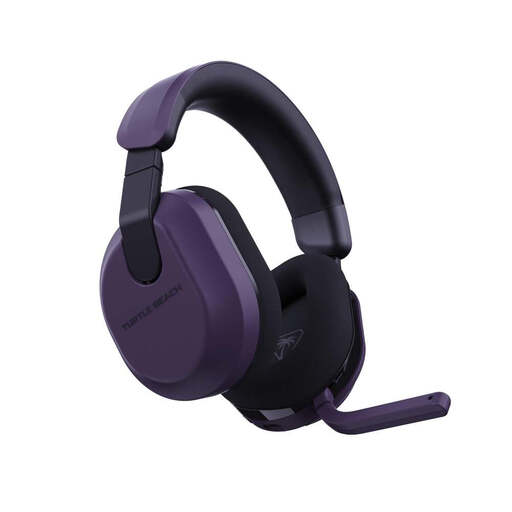 No image available
According to the product description, the flip-up microphone has a mute function, which can be handy if you need to mute quickly while using it.
Wireless model with on-headset controls. The product description lists compatibility with several platforms; check that the Xbox version works with your device.
A headset microphone won’t fix the room acoustics.
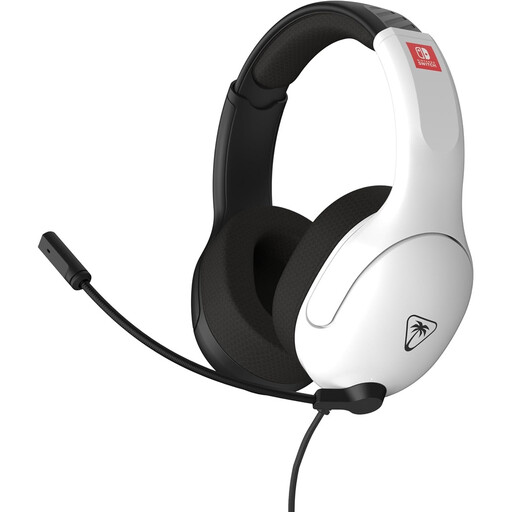 No image available
According to the product description, the boom microphone has a flip-to-mute function, so you can mute it by flipping it up.
Wired 3.5 mm connection. The stated platform compatibility is aimed at Nintendo Switch, Switch Lite and Switch OLED.
A headset microphone won’t fix the room acoustics.
 No image available
The product description mentions a cardioid microphone, which may be worth considering if you’re looking for a directional mic.
Wired USB headset. According to the product description, 7.1 audio is available on Windows.
A headset microphone won’t fix the room acoustics.
 No image available
The detachable boom microphone may suit anyone who wants to listen wirelessly and use the mic for voice recording.
The product description lists 2.4 GHz and Bluetooth connections, volume and mute controls, and compatibility with PC, PS5, PS4 and Nintendo Switch, among others.
The headset has a rechargeable battery. A headset microphone won’t fix the room acoustics.
Don’t assume so: according to Shure, a microphone can’t effectively separate direct speech from unwanted reflections or improve the room acoustics. Start by adjusting the microphone position and comparing unprocessed test recordings.
If reverb is an intentional character effect, you can assess it separately by first making a clear source recording. Logitech G lists reverb delay as a BLUE VO!CE effect; check whether this feature is available in your recording setup.
Check the connection on the exact model, select the correct microphone as your recording source, check the mute setting and make a short, unprocessed test recording. HyperX lists several connection options and a mute indicator for the wired Cloud III.
When you buy as a consumer in the Netherlands, the product must meet reasonable expectations. According to the Dutch government, there’s no set statutory guarantee period; what you can expect depends on the product, among other things. Report any fault to the retailer.