
Vandaag of morgen in huis

Kwaliteit gegarandeerd

Welkomstaanbiedingen ontgrendelen: GRATIS bezorging | Tot 80% korting | Gratis 30 dagen JoyPlus-proefperiode
Download de app
A gaming headset needs to do more than just play sound. You want to hear your opponents, communicate clearly with your team, and play for hours without pressure on your ears. Yet many models are less universal than the packaging suggests. A wireless gaming headset, for example, may only work wirelessly with certain devices, while “7.1 surround sound” is sometimes only available via software.
In this buying guide, you’ll learn what to look out for, which marketing claims to check, and which models suit different play styles.
A headset may support multiple connections, but that doesn’t mean every connection works with every console. Bluetooth, for instance, isn’t always suitable for a PlayStation during gaming. So check whether the included 2.4GHz receiver, Bluetooth connection or cable is used for your device.
When choosing a gaming headset for PC, PS5, Xbox or Nintendo Switch, look out for:
Terms like 7.1 gaming headset, “3D audio” and surround sound often refer to virtual audio channels or software processing. So it’s not the same as seven physical speakers. What’s more, on some models the feature only works on Windows or with a specific app.
Therefore, also look at the basics: the number of channels, driver diameter, frequency response and the ability to switch off surround sound. For music and everyday use, a well-tuned stereo gaming headset can sound more pleasant than an overly spatial profile.
An over-ear gaming headset may seem comfortable on paper, but the weight, ear cushions and headband determine how it feels after several hours. A heavy model can cause pressure more quickly. Leatherette cushions often seal well, while fabric cushions offer better ventilation but insulate differently.
So check:
A wired gaming headset with a 3.5mm connection usually works directly with a controller, laptop, smartphone or PC. You don’t need to charge it and no wireless connection is required. Models like the Trust GXT 415 Zirox and Razer BlackShark V2 X are therefore practical for households with multiple devices.
A wireless gaming headset with 2.4GHz is designed for low latency during gaming. Bluetooth is handy for a phone or tablet, but check compatibility per platform. A combination of 2.4GHz and Bluetooth is useful if you want to hear notifications or calls from your smartphone while playing.
A gaming headset with a microphone shouldn’t just pick up sound; it also needs to be practical to operate. A directional microphone theoretically captures sound mainly from the mouth side. A mute button, mute indicator and adjustable arm are valuable details for voice chat and streaming.
Pay attention to claims about noise cancellation. According to the brand’s own information, a microphone can reduce background noise, but the final clarity also depends on your keyboard, room and software. A detachable microphone is handy when you use the headset for music or on the go.
Drivers of 40 to 53 mm are common in gaming headsets. A larger driver doesn’t automatically mean better sound reproduction; tuning, housing and software also play a role. Check whether the headset uses stereo or virtual surround sound.
With the HyperX Cloud III, DTS Headphone:X 2.0 is listed as the virtual surround technology. The Razer BlackShark V2 X mentions 7.1 surround via software. According to the product information, the Trust GXT 491 Fayzo offers virtual 7.1 sound and 50mm drivers. Treat this as a feature to compare, not as a fixed quality guarantee.
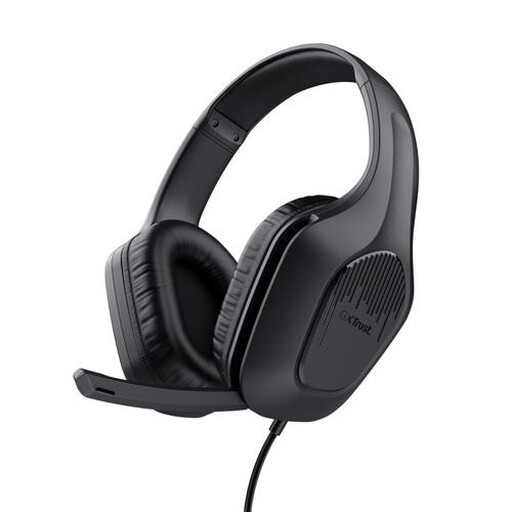
Why this fits the profile: This wired over-ear headset uses a 3.5mm connection and, according to the product information, works with PC, laptop, PlayStation, Xbox and Nintendo Switch. That makes it suitable as a first gaming headset without battery management.
The connection is clearly described as wired. There’s no confusion about Bluetooth, dongles or a flat battery. Note: this model offers stereo and not virtual 7.1.
244 grams, 50mm drivers, over-ear cushions, foldable microphone and on-headset controls.
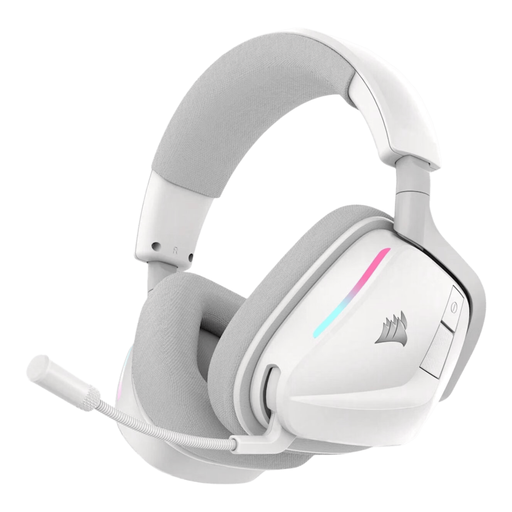
Why this fits the profile: Suitable for players who value wireless freedom, software settings and a long stated battery life.
The product information separately mentions 2.4GHz and Bluetooth 5.3. Dolby Atmos and RGB settings run via software; so check the desired PC features beforehand.
50mm neodymium drivers, up to 70 hours battery life according to the product information, physical buttons and customisable RGB lighting.
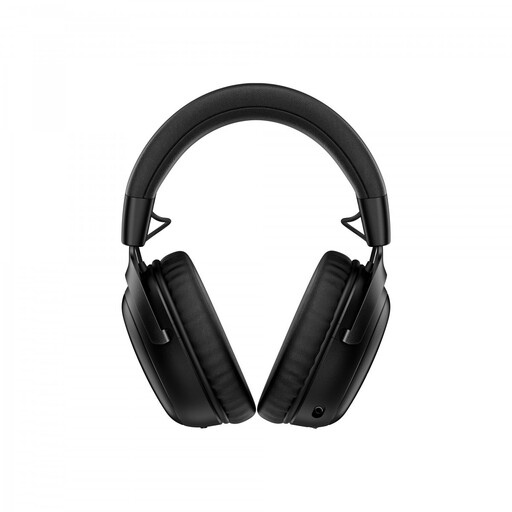
Why this fits the profile: An option for long gaming sessions, streaming and switching between PC, console, mobile use and Bluetooth.
The headset uses 2.4GHz and Bluetooth 5.3 separately. The detachable microphone, physical controls and included USB connections make the functions verifiable.
53mm drivers, detachable microphone, memory foam in headband and ear cushions, and a stated battery life of up to 120 hours via 2.4GHz.
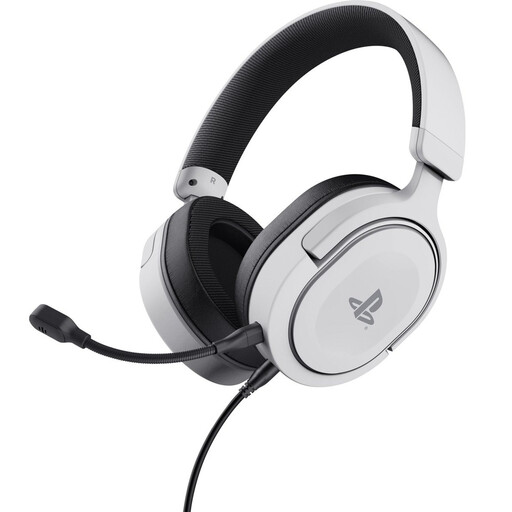
Why this fits the profile: According to the product information, this wired headset is officially licensed for PS5 and also works with PS4 via a 3.5mm cable.
The connection and PlayStation compatibility are clearly stated. The model is not wireless and doesn’t use a battery, but does offer a detachable microphone.
50mm drivers, 253 grams, soft ear cushions, swivelling ear cups and controls for volume and microphone.
We’ve put together a full, up-to-date list of products that fully meet these strict selection criteria and comply with current European safety regulations.
That depends on the connection. A model with a 3.5mm jack often works with a controller or combined audio socket. For USB and wireless models, you need to check whether the receiver and software are compatible with your platform. Also check whether the microphone is supported on that device.
The lifespan depends on use, storage and maintenance. A wired model has no battery that ages, whereas a wireless gaming headset may lose battery capacity over time. Clean ear cushions with a soft, dry cloth, don’t pull on cables and don’t force the headband. Products come with at least the statutory warranty under European consumer rules; additional rights may apply.
Not always. Virtual surround sound can help with spatial awareness, but how well it works varies per game, platform and software. So first compare comfort, microphone, connection and sound profile. For a simple and stable setup, a stereo gaming headset with a 3.5mm connection may be sufficient.
