
Vandaag of morgen in huis

Kwaliteit gegarandeerd

Welkomstaanbiedingen ontgrendelen: GRATIS bezorging | Tot 80% korting | Gratis 30 dagen JoyPlus-proefperiode
Download de app
A gaming headset might seem easy to choose at first. But terms such as “7.1 surround sound”, “noise cancellation” and “wireless” can set expectations that aren’t right for every situation. If you focus only on the marketing copy, you could end up with a headset that isn’t compatible with your console, feels uncomfortable or has a microphone that disappoints in practice.
This buying guide compares the key features of wired gaming headsets, wireless gaming headsets and gaming headsets with a microphone. The recommendations below are based on verifiable product specifications and the information provided by manufacturers and retailers.
A 7.1 surround sound headset may use multiple physical audio channels, but often it uses software to create virtual surround sound. This distinction matters. Virtual surround sound may be available on PC, while a console may only output stereo sound.
So check:
A USB gaming headset is generally easy to use with a PC, but compatibility with PlayStation, Xbox and Nintendo Switch varies by model. A 3.5mm connection through the controller is often more flexible for consoles. If your PC has separate audio and microphone ports, you may also need a splitter.
Also check whether the headset uses USB-A or USB-C. Some models support both, while others have a fixed USB cable.
A 300-gram headset may feel comfortable to one person and too heavy to another. Don’t just look at the weight. Also consider:
A comfortable gaming headset should suit your gaming sessions, not just a quick product demonstration.
A wired connection means you don’t need to charge the headset and setup is usually simple. A wired gaming headset with a 3.5mm connection is practical for PC, PS5, Xbox and Nintendo Switch, as long as your device supports it.
A wireless model gives you more freedom to move around. Check the type of connection:
Also check the stated battery life. Manufacturers usually quote this for specific conditions, so actual battery life may vary depending on volume, connection and use.
A good gaming headset with a microphone should do more than play sound: it should also let you communicate clearly. Check the microphone’s pickup pattern, whether it has a mute function, and whether it can be detached or flipped up.
A flip-to-mute microphone is handy when you need to mute yourself quickly. A detachable microphone is useful if you also want to use the headset for music or on the go. Noise-cancellation claims come from the brand’s product information, so treat them as a product specification rather than a guarantee of performance in every environment.
A wider frequency range doesn’t automatically mean you’ll hear better sound. The tuning of the drivers, the fit and the audio source all play a part. 40mm and 50mm drivers are common in gaming headsets. Higher sensitivity can mean the headset sounds loud with less power, but safe listening is still important.
Keep the volume at a moderate level and take regular breaks. Listening at high volumes for long periods can damage your hearing.
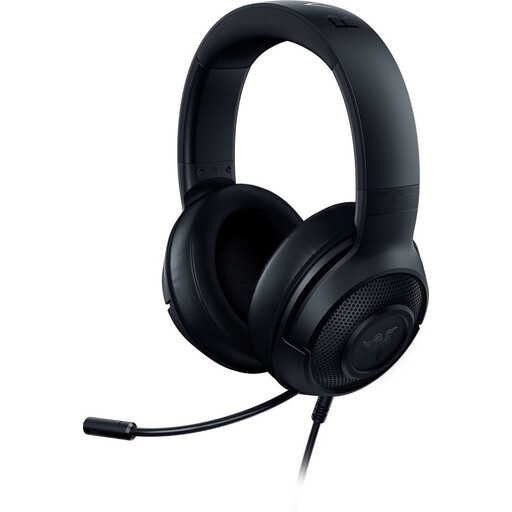
Why it suits this user: The wired 3.5mm connection and 230-gram weight keep things simple for gamers looking for their first headset.
There’s no battery to manage. The product specifications list 7.1 surround sound for Windows 10 64-bit; on consoles, you use the 3.5mm connection.
230 grams, cardioid microphone, soft ear cushions and compatibility with PC, PS5, Xbox and Nintendo Switch according to the product information.
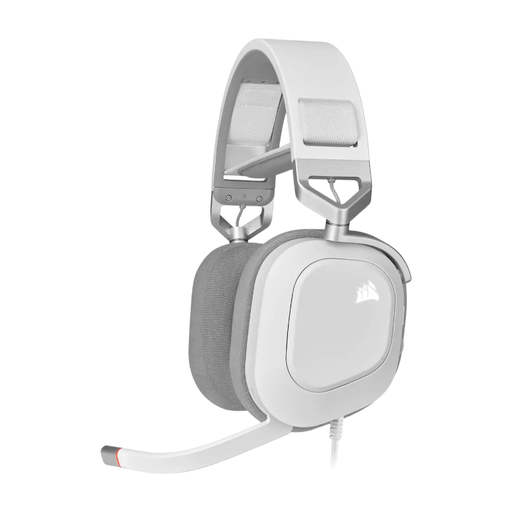
Why it suits this user: This model is aimed at PC gamers who value USB audio, RGB lighting and a wide stated frequency range.
The product specifications clearly state that Dolby Audio 7.1 True Surround Sound is only available on PC. This makes the platform limitation clear from the outset.
50mm neodymium drivers, USB connection, flip-up microphone, RGB lighting and a 20 Hz–40 kHz frequency range according to the product information.
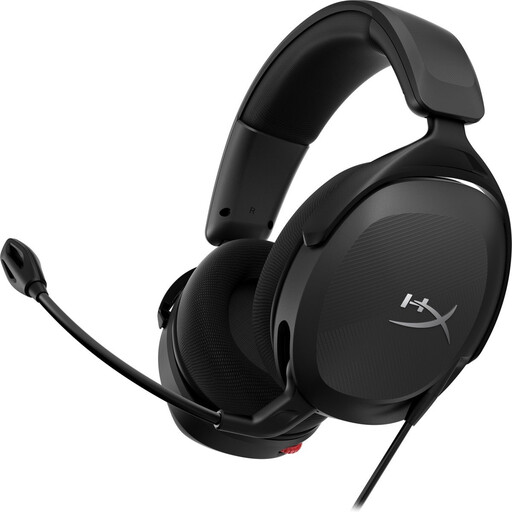
Why it suits this user: Memory foam, multiple cable adapters and broad platform support make this a good fit for long gaming sessions across different devices.
The headset comes with USB-C, USB-A and 3.5mm connections. Check which connection and surround sound features are available on your platform.
53mm drivers, memory foam, detachable noise-cancelling microphone and support for PC, PS5, Xbox Series X|S and Nintendo Switch according to the product specifications.
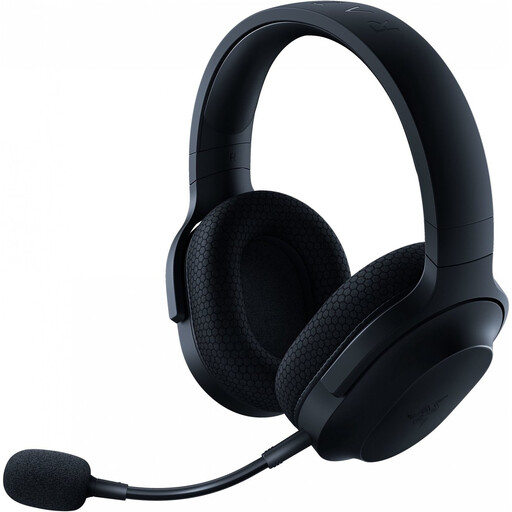
Why it suits this user: This model combines 2.4GHz, Bluetooth and a 3.5mm connection, so you can use the same headset at home and on the go.
As well as wireless connections, it offers a wired mode. This makes you less reliant on the battery during longer gaming sessions.
Bluetooth 5.2, 2.4GHz dongle, 3.5mm connection, detachable microphone, approx. 250-gram weight and stated battery life of up to 50 hours.
We’ve put together a complete, up-to-date list of products that meet these strict selection criteria and the applicable European safety regulations.
It depends on the connection and platform support. A headset with a 3.5mm jack will often work through the controller on a PlayStation or Xbox console. USB models are more commonly designed for PC, while some wireless headsets use a specific dongle for certain platforms. Always check the product specifications for your device.
Its lifespan depends on how you use and store it, as well as the strain on its cable or battery. A wired model doesn’t have a battery that loses capacity, but the cable and connection are still vulnerable. With a wireless headset, look after the battery and charge it carefully. Replaceable ear cushions and a detachable microphone can extend its useful life.
No. A higher price may get you extra features such as wireless connectivity, RGB lighting, software-based surround sound or premium materials. Not everyone needs these features. Start by choosing your platform, connection, preferred microphone and comfort level. Then compare the price and extra features.
