Start with the specific ingredient a player needs to avoid: peanuts and tree nuts are different allergens, and a gluten-free snack isn’t automatically suitable for someone with a nut or milk allergy. Compare the full ingredients list and warnings on the packaging. Uncoated nuts may have a shorter ingredients list, but that doesn’t mean they’re free from all allergens. If someone needs to avoid both nuts and peanuts, choose a snack outside this category and check that option for relevant allergens too, as the Netherlands Food and Consumer Product Safety Authority (NVWA) and the Food Allergy Foundation explain.
Who is this relevant to?
Shopping for players with a nut or peanut allergy
You’re looking for snacks that suit the specific allergens players need to avoid. Distinguish between peanuts and tree nuts, and check for warnings about possible presence too. The Food Allergy Foundation explains the difference between peanuts and nuts; the NVWA describes the information shown on packaging.
Players who need to avoid gluten or milk
You want to know whether a coating, seasoning mix or other ingredient suits the dietary requirement in question. Lactose intolerance and milk allergy need to be assessed differently, as the Netherlands Nutrition Centre explains.
Organising for people with different dietary needs
You want to serve snacks clearly and keep the ingredient information with the right packaging. The Dutch Coeliac Society explains how crumbs in the kitchen can cause cross-contact between products; bear this in mind when serving, too.
What should you look for when buying?
Uncoated nuts
Choose these when: the type of nut in question is allowed and you want the ingredients to be as easy as possible to assess.
Keep in mind: a short ingredients list doesn’t rule out cross-contamination; Jumbo Unsalted Almonds, for example, also carries a warning about peanuts.
Mixed nuts
Choose these when: all the listed nut types are suitable for the diet and you’d like to offer a variety.
Keep in mind: check every type; ALDI’s nut mix lists almonds, hazelnuts, walnuts and Brazil nuts.
Coated party nuts
Choose these when: the peanuts and the ingredients in the specific coating suit the dietary requirements.
Keep in mind: Duyvis Provencale Party Nuts contain peanuts and wheat starch, and carry warnings for milk and other nuts, among other things.
Snacks outside the nut category
Choose these when: the players you’re buying snacks for need to avoid nuts and peanuts, or none of the nut products you’ve checked are suitable.
Keep in mind: check the alternative for ingredients and warnings relevant to the diet, too.
| What to consider |
What should you check? |
Who is this important for? |
| Avoiding nuts and peanuts |
Compare the types of nuts listed, peanuts and any warnings with the player’s dietary requirements. |
If I’m buying snacks for someone with a nut or peanut allergy, I want to know exactly which types and warnings are shown on the packaging. For around 36% of consumers, avoiding the relevant nuts or peanuts is their top buying priority. |
| Gluten, milk and other ingredients |
Read the full ingredients list and check for any specific free-from claims and warnings. |
When I’m catering for someone who needs to avoid gluten, milk or lactose, I want to assess the right dietary requirement rather than rely on ‘plain’ or ‘unsalted’. For around 29% of consumers, catering for a gluten, milk or lactose restriction is their top buying priority. |
| Serving separately |
Keep products and serving utensils separate where the diet requires it, and store the packaging with the snacks. |
If I’m sharing products with players who have different dietary needs, I want to avoid snacks being mixed together by accident. Around 21% of consumers make separate serving their top priority. |
| Packaging and storage |
Compare the net weight with how much you plan to use, and follow the storage instructions on the packaging. |
If I want to keep leftovers after the games night, I’ll check the quantity and storage instructions. For around 14% of consumers, packaging and storage are their main buying priority. |
Common buying mistakes
-
Assuming ‘free from’ means ‘suitable for everyone’
A statement about one ingredient doesn’t automatically tell you anything about other allergens. The NVWA describes allergen information on labels; the Netherlands Nutrition Centre explains that allergens such as milk and gluten need to be assessed separately.
First establish which ingredient needs to be avoided, then check the specific packaging for it.
-
Confusing unsalted or unroasted with allergen-free
‘Unsalted’ doesn’t describe a product’s allergen status. According to its product description, ALDI’s nut mix contains several types of nuts; Jumbo Unsalted Almonds carries a warning about the possible presence of peanuts.
Don’t use product features as a substitute for checking the ingredients list and warnings.
-
Assuming every flavour from one brand is the same
Duyvis Provencale Party Nuts contain peanuts and wheat starch, and carry warnings for milk and other nuts, among other things. Ingredients vary between flavours.
Check the full product name and current label, not just the brand.
A flavour that doesn’t meet the agreed dietary requirements may go unused or need to be replaced.
-
Putting a large pack straight into a shared bowl
Once products have been mixed together, they and their ingredient information are harder to distinguish. The Dutch Coeliac Society explains how contact between products can cause cross-contamination.
Keep snacks separate where needed, and have the original packaging to hand when serving.
Brands to consider
Duyvis
For the Provencale flavour, the manufacturer publishes an ingredients list and warnings.
- The manufacturer lists peanuts and wheat starch in its Provencale Party Nuts.
- This flavour also carries warnings for milk and various nuts, among other things; ‘no artificial colourings’ doesn’t mean the product is free from allergens.
Albert Heijn
This supermarket brand is worth considering when checking product information on the current packaging.
- Albert Heijn advises customers to read the packaging before using a product.
- That advice isn’t a general claim that the range is suitable; ingredients and allergen information may change.
Jumbo
Jumbo Unsalted Almonds 140 g is an example of a product with a short ingredients list.
- The product page lists 99% almonds and sunflower oil.
- The same page says the product may contain peanuts. So a short ingredients list doesn’t prove that there’s no risk of cross-contamination.
Lidl
The product description is for a 200 g mix of unroasted, unsalted nuts.
- The product description states the product type and pack size.
- Unroasted and unsalted don’t mean allergen-free; check the packaging for the types of nuts present and any warnings.
ALDI
The product page describes a 500 g unsalted nut mix sold under the Trader Joe’s range brand.
- The page lists almonds, hazelnuts, walnuts and Brazil nuts.
- The nuts listed mean the mix isn’t nut-free; only consider it if all the types included suit the diet.
PLUS
The range overview distinguishes between different types of unsalted nut products.
- The overview includes a 500 g mix of unroasted, unsalted nuts, among other products.
- A product range category is no substitute for checking the ingredients and warnings on the individual pack.
Nut products at Joybuy
This selection includes a range of nut and peanut products. Only consider a product if the type listed suits the diet, and always check the full, up-to-date information on the packaging.
 No image available
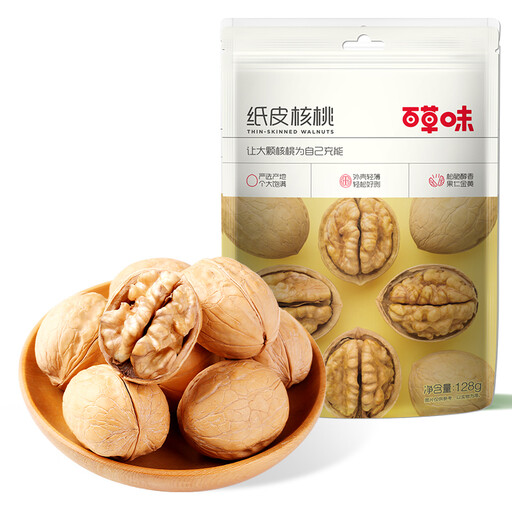
BE&CHEERY paper-shell walnuts 128 g
Only consider these if walnuts suit the diet; this isn’t a free-from recommendation.
The product information lists walnuts and individual packaging. The thin shells can be cracked by hand.
View at Joybuy
 No image available
g’woon unsalted peanuts 250 g
Only consider these if peanuts are suitable for the diet; peanuts are a different allergen from tree nuts.
The product description lists 99% peanuts and sunflower oil. The product may contain cashew nuts.
View at Joybuy
 No image available
g’woon roasted unsalted cashew nuts 200 g
Only consider these if cashew nuts suit the diet; unsalted says nothing about allergens.
The product name describes roasted, unsalted cashew nuts.
View at Joybuy
 No image available
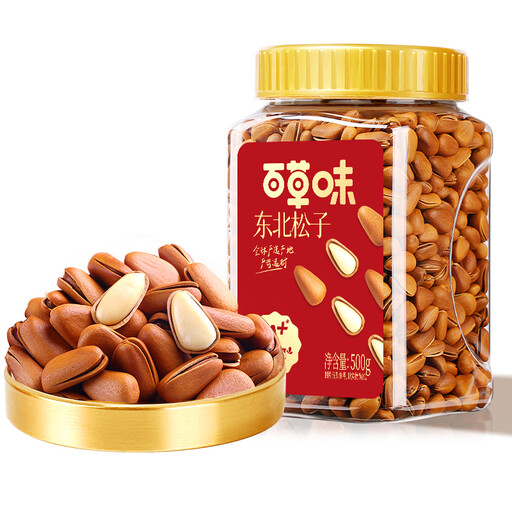
BE&CHEERY Northeast pine nuts 500 g
Only consider these if pine nuts suit the diet; the product information doesn’t support a free-from claim for other allergens.
The description lists at least 98% pine nuts and palm oil.
View at Joybuy
 No image available
g’woon roasted salted almonds 150 g
Only consider these if almonds suit the diet; check for warnings about possible presence, too.
The description lists 97% almonds, sunflower oil and salt. The product may contain traces of peanuts and other nuts; the packaging is resealable.
View at Joybuy
Frequently asked questions
Are peanuts the same as nuts?
No. A peanut is a legume, not a tree nut, as the Food Allergy Foundation explains. The NVWA lists peanuts and nuts separately in its allergen information, so don’t assume something is suitable for one allergy based on information about the other.
Is lactose-free the same as suitable for someone with a milk allergy?
No. A milk allergy involves milk proteins, while lactose intolerance involves lactose, or milk sugar. The Netherlands Nutrition Centre explains the difference, so a choice based on lactose doesn’t prove that a product is suitable for someone with a milk allergy.
What does ‘may contain’ mean on packaging?
The warning refers to the possible unintended presence of the allergen named; it doesn’t mean it’s an ingredient in the recipe. The NVWA states that, from 1 January 2026, this kind of warning must not appear on the label if the applicable reference values are not exceeded.
How can you serve different snacks during a games night?
Serve products separately where the diet requires it, use separate serving utensils if needed, and keep the original packaging available. This is a practical precaution against the described risk of cross-contamination; it doesn’t guarantee that exposure is ruled out.
Does a ‘gluten-free’ statement also tell you anything about nuts or milk?
No. The statement relates to gluten and says nothing by itself about nuts, peanuts or milk. Commission Implementing Regulation (EU) 828/2014 sets out requirements for information about the absence or reduced presence of gluten; according to the European Commission, it has applied since 20 July 2016.


