
Vandaag of morgen in huis

Kwaliteit gegarandeerd

Welkomstaanbiedingen ontgrendelen: GRATIS bezorging | Tot 80% korting | Gratis 30 dagen JoyPlus-proefperiode
Download de app
As a futsal player, you know that the right shoes make all the difference. A quick turn, a precise pass, a powerful shot—it all starts with your feet. But with so many choices on the market, finding the right futsal shoes can be challenging. This article is designed to help you make that choice. We'll look at the key features to watch for and provide some concrete recommendations, so you can step onto the court with confidence.
Before we dive into specific models, it's helpful to know what defines a good indoor shoe. Pay attention to the following three points.
The most important feature of an indoor football shoe is the sole. For nearly all indoor sports halls, a non-marking sole is mandatory. This type of sole, typically made from a soft rubber or gum, prevents scuff marks on smooth court floors.
Additionally, the sole's tread pattern is engineered for maximum grip during quick, short movements and abrupt stops. Look for pivot points under the ball of your foot; these assist in making quick turns without putting excess strain on your knees. Do not confuse futsal shoes (IN) with turf shoes (TF), which have small studs for artificial grass and are unsuitable and unsafe for indoor use.
The material of the upper largely determines comfort and your feel for the ball. Leather futsal shoes are a popular choice among many futsal players. Leather is supple, breathable, and moulds perfectly to your foot over time, ensuring excellent ball contact.
Synthetic materials are often lighter, require less maintenance, and can offer better durability, especially around the toe area. The choice between leather and synthetic is personal and depends on what you're looking for in a shoe: superior ball feel or maximum lifespan.
A good fit is essential. A shoe that's too loose leads to a loss of control, while one that's too tight causes blisters and discomfort. The shoe should fit snugly around your foot without being restrictive.
Cushioning in the midsole is also important. Futsal is a high-impact sport on your joints due to jumping and sprinting on a hard surface. A midsole made of materials like Phylon or EVA helps absorb shock and increases comfort during a long match or training session.
Based on the criteria above, we have highlighted a few products. We are focusing on the specifications provided by the manufacturer.

Why It Stands Out The Joma Top Flex has been an icon in the futsal world for decades. This model is renowned for its unparalleled flexibility and use of high-quality materials. It's a shoe designed with the technical player in mind.
Key Features
Who Is It For? This is an excellent choice for both amateur and more experienced futsal players who prioritise ball control, comfort, and a shoe that moulds to their foot. If you're looking for a classic leather futsal shoe, the Joma Top Flex is a top-tier option.
It's important to choose the right shoe for the right surface. The following model looks like an indoor shoe but is intended for a different type of surface.
Joma Top Flex 2502 TF (Turf)
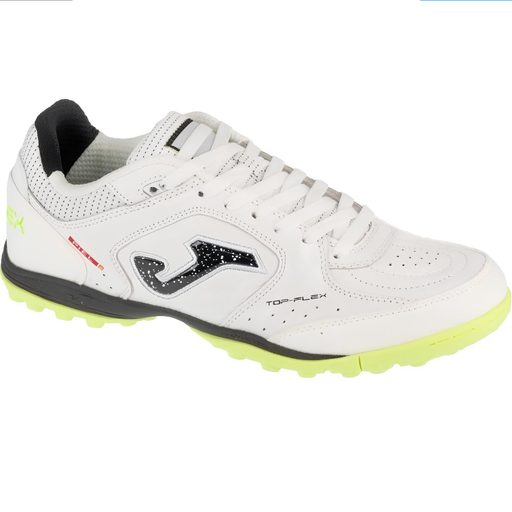
Important to Know This model has a TF (Turf) sole. This sole features many small rubber studs designed for optimal grip on artificial grass pitches. On an indoor court, these studs actually offer less grip and can damage the floor. Therefore, this is not an indoor football shoe.
Who Is It For? Players who primarily play on artificial grass (outdoors or indoors) and are looking for a flexible shoe with good grip for that surface.
Sometimes sports shoes look similar but are designed for completely different activities. This is a good example.
Salomon Elixir Active
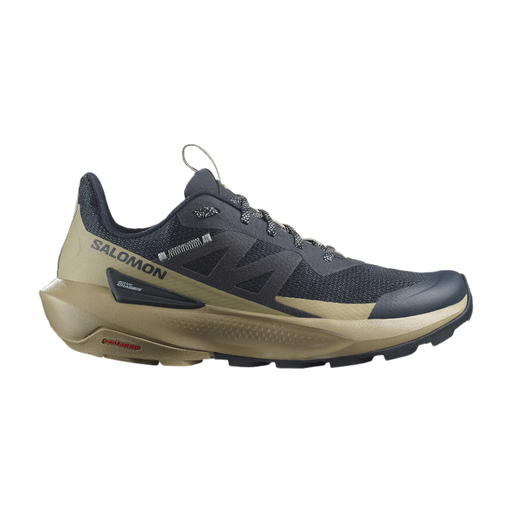
Important to Know The Salomon Elixir Active is a versatile shoe, but not for futsal. Its specifications, such as the All Terrain Contagrip outsole and the Energy Foam midsole, are developed by Salomon for grip on varied terrain and cushioning during hiking or running. The sole is not non-marking, and its tread is unsuitable for the quick, lateral movements of futsal.
Who Is It For? Ideal for those seeking a comfortable and supportive shoe for daily walks or light outdoor adventures.
Besides your performance on the court, are you also interested in tracking your bike rides with the latest technology? Then discover our selection of solar cycle computers.
The biggest difference is the sole. Indoor football shoes have a flat, rubber non-marking sole for grip on smooth, hard indoor courts. Outdoor football shoes have studs (cleats) made of plastic or metal, designed to provide grip on natural grass or artificial turf.
This is usually indicated on the shoe itself (often on the sole), on the box, or in the product description. A non-marking sole often feels a bit softer and won't leave black scuff marks when you rub it on a light-coloured floor.
