
Vandaag of morgen in huis

Kwaliteit gegarandeerd

Welkomstaanbiedingen ontgrendelen: GRATIS bezorging | Tot 80% korting | Gratis 30 dagen JoyPlus-proefperiode
Download de app
Buying functional drinks sounds simple until you compare the labels side by side. One drink is designed to provide fluids and carbohydrates during exercise, while another is intended for protein intake or caffeine. Eye-catching packaging does not always tell you what you are actually getting.
When buying online, pay particular attention to three common pitfalls:
If you are specifically looking for a sports drink, protein water, an electrolyte drink or a sugar-free energy drink, it is therefore a good idea to decide when you will use it first.
Check the nutritional information per 100 ml and per serving. This prevents you from comparing a small serving with a full bottle.
A standard sports drink can provide carbohydrates during longer periods of exercise. For example, the Body & Fit Isotonic Sports Drink lists 29 to 32 grams of carbohydrates per serving, depending on the product variant and serving size. The ingredients include maltodextrin, fructose and dextrose, among others. This makes the drink different from a sugar-free energy drink.
For a sugar-free option, check whether the sweetness comes from sweeteners and whether caffeine is present. “Sugar-free” tells you nothing about the amount of caffeine or whether the drink is suitable for late in the evening.
An amino acid drink or pre-workout shot may contain ingredients such as caffeine, taurine, beta-alanine and amino acids. Always check:
According to the product information, the Body & Fit Fit Energy Drink Orange contains 100 mg of caffeine per 250 ml can. The Optimum Nutrition Amino NRG + Electrolytes also lists 100 mg of caffeine per 250 ml serving. According to the product information, Ghost Energy cans contain 200 mg of caffeine per 473 ml can. These are important differences if you consume several drinks in one day.
For post-workout drinks, protein content is often the first point of comparison. The Optimum Nutrition Protein Water Variety Bundle lists 16 grams of whey protein isolate per 350 ml bottle, with 0 grams of sugar and 64 kcal per bottle. However, the product contains milk, as stated in the allergen information.
Also check whether you are buying an individual bottle, a multipack or a powder. A multipack is convenient for home or on the go, while powder often works out cheaper per prepared litre. Pay attention to the storage instructions too: many ready-to-drink products need to be refrigerated after opening and used within 24 hours.
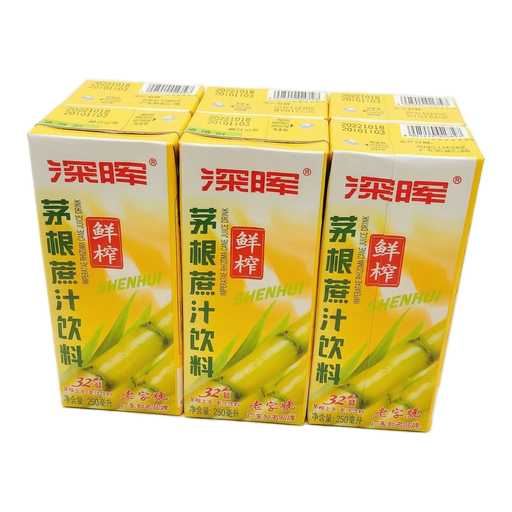
Why this suits this profile: A ready-to-drink product in six 250 ml bottles for home, the office or on the go. The product information lists 19 kcal and 4.0 grams of sugar per 100 ml.
The nutritional values and total volume are clearly stated, so you do not have to rely solely on the term “hydration”.
6 × 250 ml, ready to drink and, according to the product information, best served chilled.
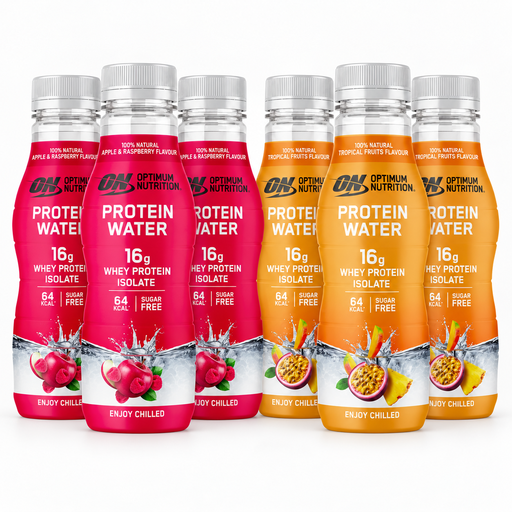
Why this suits this profile: Ideal for anyone who wants protein after exercising without the creamy texture of a shake.
The label states 16 grams of protein, 0 grams of sugar and 64 kcal per bottle. Milk is clearly listed as an allergen.
6 bottles, two fruit flavours, ready to use and no mixing required.
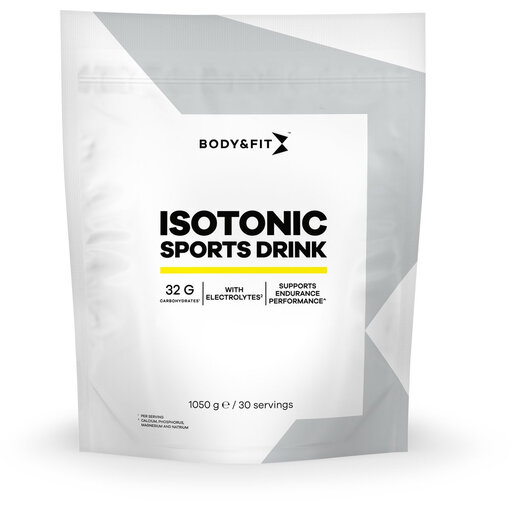
Why this suits this profile: Convenient for people who train regularly and want to prepare their own drink in 500 ml batches.
The recommended ratio is specific: 35 grams of powder with approximately 500 ml of water. This allows you to keep track of the serving and total amount yourself.
1.05 kg for approximately 30 servings; according to the product information, it contains carbohydrates and electrolytes.
We have put together a complete, up-to-date list of products that fully meet these strict selection criteria and the applicable European safety regulations.
That depends on the duration and intensity of your activity. For short workouts, water is often sufficient. During longer or more intensive exercise, an isotonic sports drink with carbohydrates and electrolytes may suit your needs. Check the serving size and nutritional information before buying.
Protein water is a type of protein drink with a clear, light texture. It often contains whey protein and tastes more like a fruity drink than a milky shake. Always check the protein content per bottle and the allergen information.
Store unopened drinks according to the label, usually in a cool place away from direct sunlight. After opening, a ready-to-drink product should generally be refrigerated and used within the stated period. For powder, storage in a tightly sealed, dry and dark place is particularly important. Always check the use-by date on the packaging before buying.
