What should you look for when buying?
Mostly black coffee
Choose this if: students usually drink espresso or regular coffee and no one wants to manage a milk system.
Bear in mind: making two cups per cycle reduces the number of separate brewing cycles, but won’t get rid of a long queue.
Frothing milk occasionally
Choose this if: black coffee is the norm and milk-based drinks are only requested occasionally.
Bear in mind: frothing milk by hand takes extra effort and cleaning.
Cappuccino on a regular basis
Choose this if: cappuccino is a regular favourite and someone is responsible for the milk components and keeping the milk chilled.
Bear in mind: automatic milk preparation doesn’t remove the need to clean the machine after use.
The breakdown below relates to consumers considering a fully automatic coffee machine for a language class in a shared student kitchen.
| Concern |
What to look for when buying |
Who should pay particular attention? |
| Making several cups during one break |
Check which drinks can be made at the same time and how often you’ll need to refill or empty the machine. |
If I want to serve several students during a short break, I look at the number of brewing cycles; around 28% of consumers in this situation prioritise serving the group. |
| Cleaning in a shared kitchen |
Compare the cleaning steps for the exact model and agree who will do them. |
When I share the machine with others, I want cleaning to fit easily into a regular routine; around 22% of consumers prioritise agreeing how maintenance will be handled. |
| Shared purchase and running costs |
Agree how much everyone will contribute and who is responsible for maintenance; check which products the manual recommends. |
If we use the machine together, I want everyone’s contribution and the cost of regular supplies to be clear from the outset; around 22% of consumers prioritise shared costs. |
| Worktop space |
Measure both the width and depth, and check that you can still reach all the components. |
When the worktop is already shared and cramped, I want to be sure the machine will fit and that it’ll still be easy to refill; around 17% of consumers prioritise the available space. |
| Whether or not you want milk-based drinks |
Ask which drinks students actually want and check how the milk components need to be cleaned. |
If cappuccino is regularly on the menu, I want to know who will prepare the milk and clean the components; around 11% of consumers say milk-based drinks are their main consideration. |
Fully automatic coffee machines at Joybuy
This Joybuy selection includes fully automatic coffee machines with manual and automatic milk preparation for coffee during a language class. Choose according to the drinks you want and check the cleaning routine for each model before sharing it.
 No image available
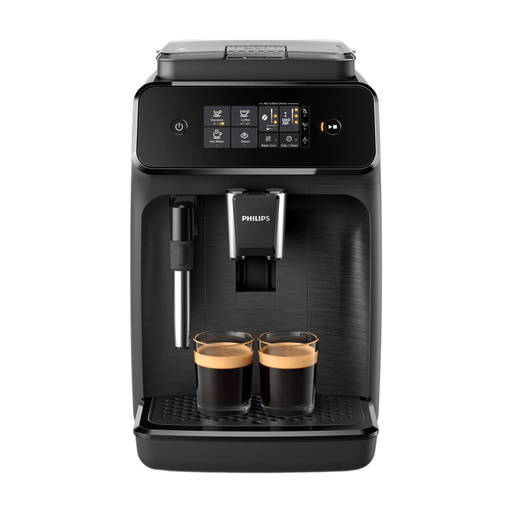
Philips 1200 Series EP1220/00
Suited to anyone who mainly makes coffee and wants to froth milk themselves occasionally.
The product name mentions a Pannarello steam wand and One-Touch Brewing. Frothing milk requires manual operation and cleaning after use.
View at Joybuy
 No image available
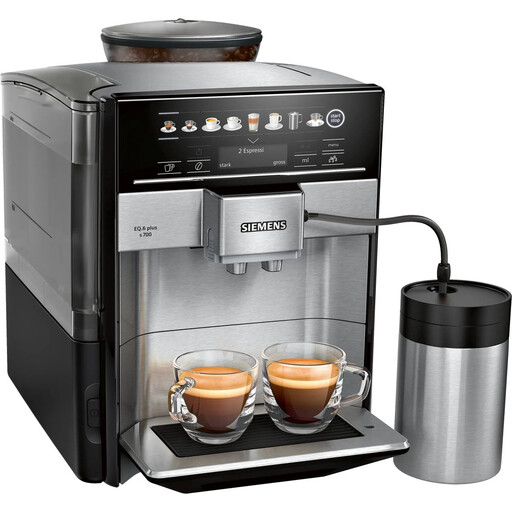
Siemens EQ.6 Plus s700 TE657M03DE
Worth considering if you want to make coffee or milk-based specialities for several students.
Check whether the two-cup function applies to the drinks you want, and agree who will take care of the cleaning routine.
View at Joybuy
 No image available
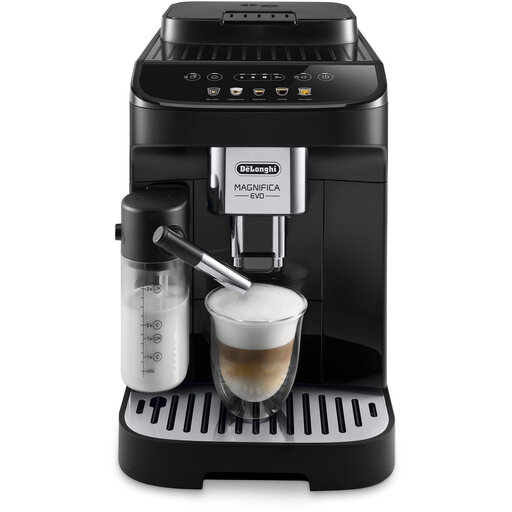
De’Longhi Magnifica Evo ECAM290.61.B
Suited to a setting where cappuccino and other milk-based drinks are regularly requested.
The product name mentions LatteCrema Hot and five One-Touch drinks. Make sure cleaning the milk components is part of your shared-kitchen arrangements too.
View at Joybuy
 No image available
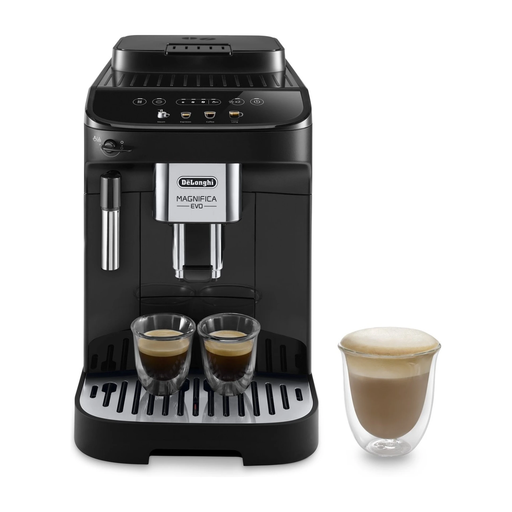
De’Longhi Magnifica Evo ECAM290.21
Worth considering if black coffee is the norm and you’d like to froth milk by hand occasionally.
The manual steam wand needs to be operated by hand; clean and purge it after each use, following the product instructions.
View at Joybuy
 No image available
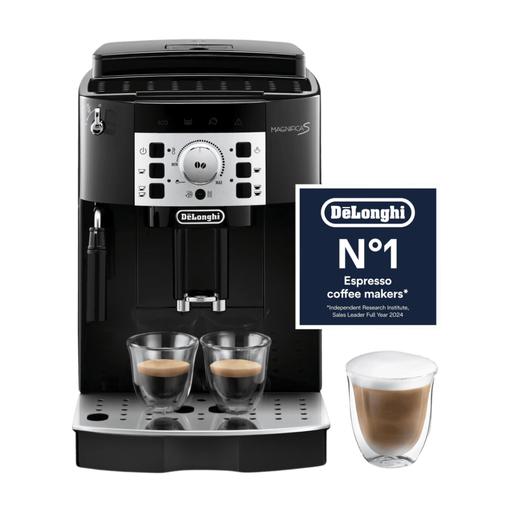
De’Longhi Magnifica S ECAM20.110
Suited to anyone who mainly makes coffee and wants to froth milk themselves occasionally.
For cappuccino or latte, you’ll need to operate the steam wand by hand and clean it after use.
View at Joybuy
Frequently asked questions
How can you stop making coffee from taking up the whole break?
First, count how many people want coffee and whether they want the same drink. Then check which drinks each model can make two cups at a time, and plan when to refill and empty it. A dual spout won’t make every drink you want all at once.
What needs cleaning after making a cappuccino?
Follow the instructions for your exact machine. For Philips LatteGo, Philips recommends rinsing or washing the two components after every use. Also check the instructions for the brew group, drip tray and water reservoir.
How should you store milk during a language class?
The Netherlands Nutrition Centre recommends putting milk back in a fridge at 4 °C promptly and not leaving it out of the fridge for more than two hours. This is food safety advice, not a feature of a coffee machine.
Should you buy extra cover for a shared coffee machine?
Not necessarily. According to the Dutch government, statutory consumer guarantees in the Netherlands don’t have a fixed time limit, and the seller must provide a solution if a product is faulty. So check what extra cover would actually include.
Do you need an HACCP plan to serve coffee during a language class?
Simply drinking coffee together doesn’t in itself mean you need one. The Netherlands Food and Consumer Product Safety Authority outlines HACCP requirements for food businesses, including businesses that sell food or drink to customers or provide catering. If the class involves sales or catering, the organiser should check which requirements apply.


