
Vandaag of morgen in huis

Kwaliteit gegarandeerd

Welkomstaanbiedingen ontgrendelen: GRATIS bezorging | Tot 80% korting | Gratis 30 dagen JoyPlus-proefperiode
Download de app
A fully automatic coffee machine grinds coffee beans, dispenses water and makes espresso or coffee at the touch of a button. Models with a milk function can also make cappuccino or latte macchiato. However, the range is often more complicated than it first appears. A low price, for example, may come with manual maintenance, while a long list of coffee recipes does not automatically mean the machine will suit your kitchen or how you use it.
Even a bean-to-cup coffee machine needs to be cleaned and descaled. The milk system in particular requires attention. With a manual steam wand, you clean the wand after every use. An integrated milk reservoir can make preparation easier, but the components still need to be rinsed and may sometimes need to be stored in the fridge.
So do not only look at the automatic programmes. Check whether the brewing unit, drip tray, coffee-grounds container and milk reservoir can be removed, and which components are dishwasher-safe.
A pump pressure of 15 bar is common among many fully automatic machines. This is a technical specification, not a guarantee of a flavour that everyone will rate in the same way. The grind size, amount of coffee, water temperature, beans and settings are at least as important.
In practice, a compact coffee machine with grinder and several grind settings may offer more flexibility than a model that mainly advertises a high pressure rating.
A 1.8-litre water reservoir and a bean container of around 250 grams may seem spacious. With several users, lots of milk drinks or automatic rinsing programmes, you will need to refill the water more often. Also check the height and depth of the appliance. A machine may fit on the worktop but leave too little room to fill the reservoir from above.
For everyday use, these points are practical:
A machine with three grind settings, such as the Krups EA8161, offers less scope for adjustment than models with twelve or thirteen settings. That does not have to be a problem if you mainly use one type of bean.
If you often look for a cappuccino machine or latte macchiato machine, you should distinguish between:
Pay attention to the exact recipes. A “milk function” can mean either manual frothing or fully automatic preparation.
A fully automatic espresso machine contains moving and heated components. Therefore, look for:
Information from brands about repairs, lifespan or performance comes from the brands themselves. According to some manufacturers’ own information, parts or servicing are available for a certain period; check the conditions on the product page.
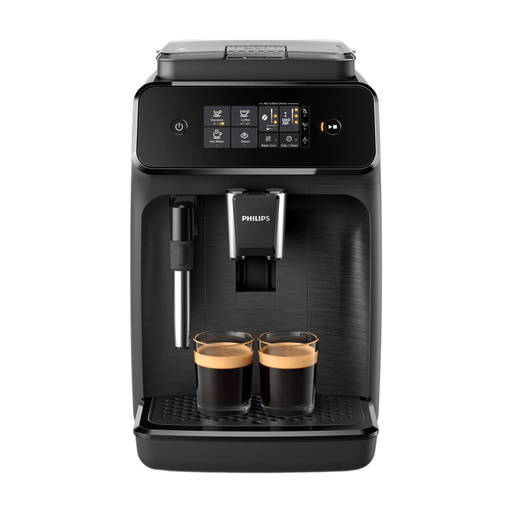
Why it suits this profile: This home coffee machine has touch controls, a 1.8-litre reservoir and a ceramic grinder with 12 grind settings. The classic milk frother is suitable for anyone who occasionally wants to prepare cappuccino or latte macchiato manually.
The product specifications state that the brewing unit is removable and that separate components are dishwasher-safe. This makes maintenance clear and verifiable rather than simply describing it as “easy”.
Ceramic grinder, 12 grind settings, adjustable coffee strength and a water filter according to the product information.
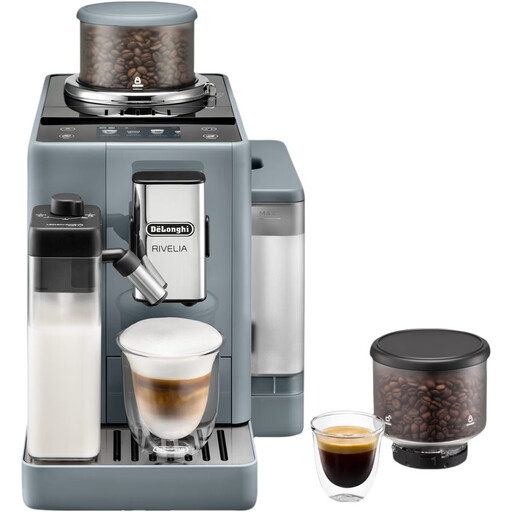
Why it suits this profile: This model is designed for households that use different beans and milk drinks. The two interchangeable bean containers, automatic milk function and ability to prepare two milk drinks at the same time are ideal for plenty of variety.
The bean-swapping system means you do not have to empty a container completely every time you want to use a different bean. The display also provides cleaning and descaling instructions.
Two bean containers, automatic milk drinks, Bean Adapt Technology according to De’Longhi and a Thermoblock system.
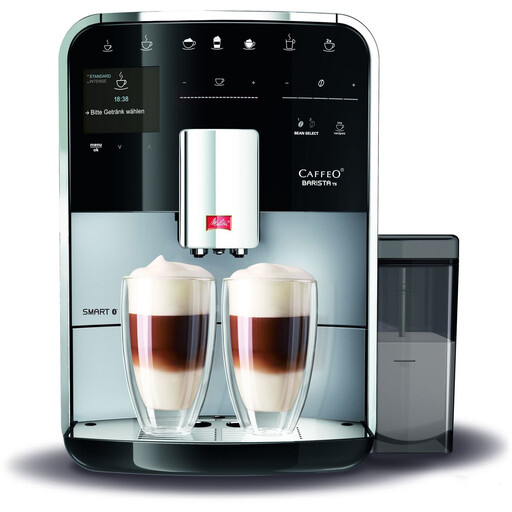
Why it suits this profile: This machine is intended for users who want to customise and prepare a wide range of coffee recipes. The product specifications mention app control, two bean containers with a combined capacity of 270 grams and a removable milk reservoir.
According to the product description, the removable milk reservoir is dishwasher-safe. This makes the cleaning process more concrete than an unsubstantiated claim about ease of maintenance.
21 coffee specialities according to Melitta, two bean containers, five grind settings and app control.
We have put together a complete, up-to-date list of products that fully meet these strict selection criteria and the applicable European safety regulations.
Fill the water reservoir with fresh water and the bean container with whole beans. Then set the water hardness if the manual asks you to. Start with the standard grind setting and adjust it gradually. Only change the grind according to the manufacturer’s instructions; with some machines, this may only be done while the grinder is running.
Its service life depends on the number of cups, water hardness, maintenance and whether the cleaning programmes are followed. Rinse the milk component after use, empty the drip tray and coffee-grounds container in good time, and descale the machine when prompted. A 2-year warranty is available with the models mentioned; always check the seller’s and manufacturer’s terms and conditions.
In addition to the purchase price, you pay for coffee beans, water, filters, descaler and, if necessary, cleaning tablets. A bean-to-cup machine avoids capsule waste, but it does require regular maintenance. So do not just compare the purchase price; also consider the capacity of the bean container, the filter type and the maintenance products recommended by the brand.
