
Vandaag of morgen in huis

Kwaliteit gegarandeerd

Welkomstaanbiedingen ontgrendelen: GRATIS bezorging | Tot 80% korting | Gratis 30 dagen JoyPlus-proefperiode
Download de app
A fully automatic coffee machine grinds coffee beans, measures the water and makes an espresso or coffee at the touch of a button. Models with a milk function can also prepare cappuccino and latte macchiato. That sounds straightforward, but the main differences between machines lie in maintenance, milk preparation, adjustment options and size.
If you only look at the number of recipes or whether a machine has a touchscreen, you could end up buying a model that no longer suits your daily routine after a few months. So keep an eye out for these common pitfalls.
A coffee machine with a milk frother uses a milk container, tube or automatic system. This saves you from frothing milk manually, but milk components still need rinsing after use and thorough cleaning regularly. Check whether the milk container is removable, whether the components are dishwasher-safe and whether an automatic rinsing or cleaning function is available.
With a manual steam wand, responsibility lies even more clearly with the user. The De'Longhi Magnifica Start ECAM220.22.GB, for example, has a manual steam wand. This gives you control over the milk texture, but requires more steps than a fully automatic system.
A bean-to-cup coffee machine may offer a wide choice of drinks, but you should also consider the controls and the number of steps required for each drink. A touchscreen is convenient, but not essential if you mainly drink espresso and lungo. For families or people working from home, user profiles, a double-cup function and quick switching between beans are often more practical than a long list of recipes.
A 1.8-litre water tank and a bean container holding around 250 grams may seem generous, but milk-based drinks use additional rinse water. With several users, you will also need to empty the drip tray and coffee-grounds container more often. Also check the available space above the machine: a tank that can only be removed upwards may be awkward to access beneath kitchen cupboards.
An espresso machine with a coffee grinder should be suitable for the beans you use. Look at the number of grind settings and how the coffee strength and volume can be adjusted. More settings generally give you greater flexibility when fine-tuning the machine, but they do not automatically make it easier to operate.
According to the product description, the Philips 1200 Series EP1220/00 has a ceramic grinder with 12 grind settings. The De'Longhi Magnifica Evo ECAM290.61.SB lists 13 grind settings. These figures can be checked, but on their own they do not indicate how every type of coffee bean will taste.
A pump pressure of 15 bar is listed for many models. This is a technical specification of the pump system, not a guarantee of a particular flavour or crema.
There are roughly three solutions for cappuccino and latte macchiato:
Also consider whether the machine can make two milk-based drinks at the same time. This can save time in households with several coffee drinkers.
A coffee machine with automatic cleaning runs rinsing, cleaning or descaling programmes. This reduces the number of manual steps, but does not replace cleaning the drip tray, coffee-grounds container, milk components and, in some cases, the brewing unit.
Check the following before buying:
Always follow the instructions. Do not use vinegar if the manufacturer advises against it, as it may damage components or affect the warranty conditions.
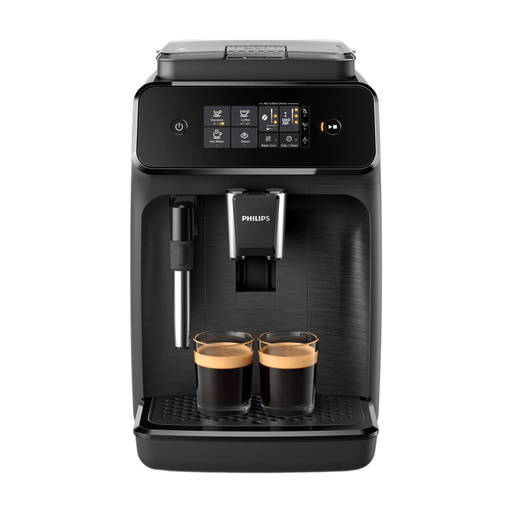
Why it suits this profile: A compact basic option for anyone who wants to make fresh bean coffee, espresso and milk-based drinks without navigating an extensive menu structure.
The product description mentions a removable brewing unit, automatic descaling and a classic milk frother. So do not expect completely maintenance-free operation, but you can rely on clear basic functions.
Ceramic grinder, 12 grind settings, 1.8-litre water tank, and adjustable strength and volume.

Why it suits this profile: A good choice for households that use different beans and often select automatically prepared milk-based drinks.
The two interchangeable bean containers reduce the need to use the same beans every time. The milk function is automatic, but still requires cleaning according to the instructions.
Bean Adapt Technology according to the product description, two milk-based drinks at once and touchscreen controls.
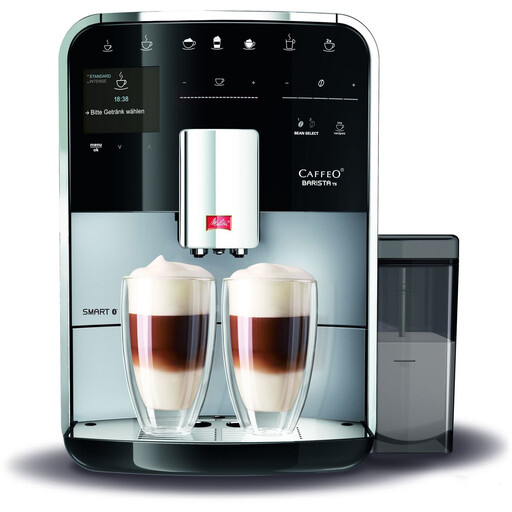
Why it suits this profile: An option for users who want to combine a wide range of recipes, two types of beans and app control.
The automatic cleaning and descaling system makes maintenance easier to manage. The milk container is removable and, according to the product description, dishwasher-safe.
21 listed coffee specialities, two bean containers with a combined capacity of 270 grams, and two milk-based drinks at once.
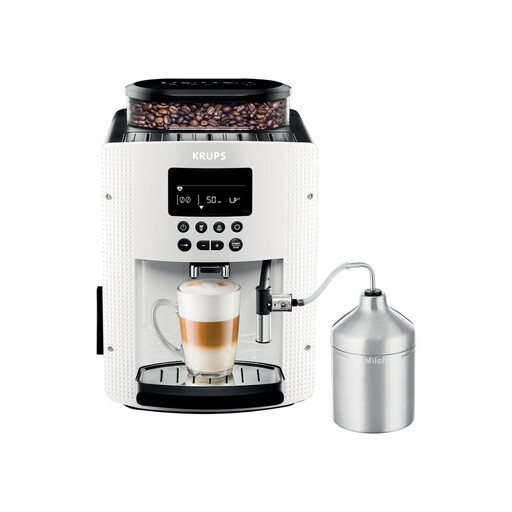
Why it suits this profile: For anyone looking for a compact bean-to-cup coffee machine who wants to prepare cappuccino or latte manually.
The machine has a compact footprint, but the milk system and cleaning are not fully automatic. This makes the maintenance requirements clear before you buy.
1.7-litre water tank, 260-gram bean capacity, three grind textures and three temperature settings.
We have put together a complete, up-to-date list of products that fully meet these strict selection criteria and the applicable European safety regulations.
Fill the tank with fresh water and use whole coffee beans suitable for a fully automatic machine. Then set the coffee strength, volume and grind setting. Only change the grind setting according to the instructions; on some machines, this is permitted only while the grinder is running. Try a few cups before making further adjustments.
The lifespan depends on usage, water hardness and maintenance. Rinsing the machine daily, emptying the drip tray, cleaning the brewing unit when it is removable and descaling the machine at the right time all help to reduce wear. Also check the warranty and service conditions. Many of the models mentioned in this overview have a statutory warranty period of at least two years, depending on the applicable conditions.
In addition to the purchase price, you pay for coffee beans, water filters, cleaning tablets and descaler. A milk container may require additional cleaning products or time. So do not compare only the purchase price: also consider capacity, filter costs and maintenance frequency. This gives you a more realistic picture of the cost per cup.
