
Vandaag of morgen in huis

Kwaliteit gegarandeerd

Welkomstaanbiedingen ontgrendelen: GRATIS bezorging | Tot 80% korting | Gratis 30 dagen JoyPlus-proefperiode
Download de app
A full-face mountain bike helmet protects more of your head than an open cycling helmet. It provides extra coverage around the chin, jaw and face in particular. That makes a full-face cycling helmet a worthwhile option for downhill, BMX and technical mountain biking, but only if the fit, ventilation and safety information are right.
Many buyers focus mainly on colour, weight or a striking visor. As a result, important details can sometimes be overlooked. Below, you’ll find what to look for before ordering a full-face cycling helmet for men and women.
A lightweight cycling helmet is comfortable during long climbs, but weight alone says nothing about the level of protection. Always check:
A helmet designed solely as a city or road-racing helmet is not automatically suitable for intense descents.
A cycling helmet with chin protection covers more of your head. This means heat can build up more quickly. So don’t just look for the term “breathable cycling helmet”; check the number and positioning of the ventilation channels. Openings at the front, sides and rear generally help air flow through the helmet.
According to the product description, the OutdoorMaster Rhino has 27 ventilation channels. This is a verifiable product specification, but your actual experience will also depend on your speed, the outdoor temperature, your goggles and your clothing.
A cycling helmet with a visor can help protect you from low sun, rain and flying dirt. However, check whether the visor is adjustable and whether your cycling goggles stay securely in place. A loose goggle strap can move around if the helmet does not have a clear goggle-strap channel.
With a downhill helmet, the chin strap, D-rings and any pressure points are also more important than appearance alone.
An ABS outer shell is often used to create a strong outer layer. EPP foam in the inner layer is a different material from EPS and may be associated with impact absorption in product descriptions. According to OutdoorMaster’s product information, the Rhino consists of an ABS outer shell and an EPP inner lining.
That is not a reason to accept general protection claims without question. Always check the current safety information, CE marking and applicable standard before buying. A product description may list technical materials without showing all the required conformity details.
With a cycling helmet featuring chin protection, the chin guard should leave sufficient room without pressing against your chin. The helmet should not tilt forwards when you fasten the strap. Also pay attention to the transition between the helmet and your collarbone. A hard edge that comes into contact with your shoulder as you move can become uncomfortable during long rides.
The OutdoorMaster Rhino specifies an EPP-collarbone impact system and shock-absorbing pads in the chin guard. According to the product description, these components are intended to provide additional protection and comfort. Treat this as brand product information, not as an independent safety assessment.
Measure your head circumference according to the seller’s instructions and compare it with the available size. The Rhino is offered here in size L and weighs less than 750 grams, according to the description. An adult helmet should fit securely without creating pressure points. Gently move your head from side to side after fastening the strap; the helmet should not slide around.
A removable, washable lining is practical for intensive use. Hand-wash it with a mild detergent and leave it to air-dry. Inspect the helmet before every ride. After a serious impact, replace it even if there is no visible damage. The product information also recommends replacing it after around three to five years, as materials can deteriorate over time.
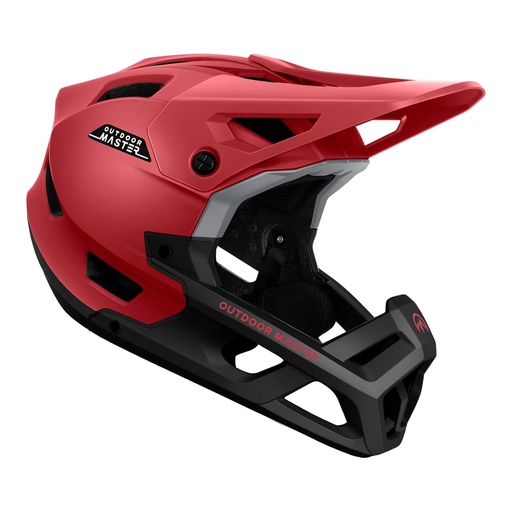
Why it suits this profile: This full-face cycling helmet combines an ABS outer shell, EPP inner lining and a weight of under 750 grams. That makes it suitable for adults looking for one helmet for mountain biking, BMX and recreational downhill rides.
The product description specifies the materials, 27 ventilation channels and an adjustable visor. This means you don’t have to rely solely on general marketing terms such as “safe” or “breathable”.
EPP chin-guard pads, collarbone protection, a removable washable lining, two sets of D-rings, a pivoting visor and a goggle-strap channel.
Why it suits this profile: If you prioritise a complete set-up, this full-face mountain bike helmet combines several practical features in one: ventilation, lining, visor adjustment and a fastening channel for goggles.
The helmet is not focused solely on low weight. The description also mentions chin-guard pads, an EPP collarbone system and a washable lining. However, check the current standard information yourself before buying.
27 high-flow ventilation channels, ABS and EPP as the listed materials, a pivoting visor and adjustable D-rings.
Why it suits this profile: The stated use scenarios include downhill, BMX and aggressive mountain biking. The chin guard and collarbone protection are suited to riders looking for more coverage than an open helmet provides.
The specifications describe the intended use and maintenance instructions. This helps you assess in advance whether the helmet suits your rides, rather than judging it on appearance alone.
Chin-guard pads, an EPP collarbone impact system, a goggle-strap channel and a visor that can move with you.
We’ve put together a complete, up-to-date list of products that fully meet these strict selection criteria and the applicable European safety regulations.
Use this quick checklist:
It can be, but for city rides an open cycling helmet is often cooler and lighter. A full-face mountain bike helmet makes most sense when you want extra chin and facial protection on technical trails, for BMX or downhill. Bear in mind that it will feel warmer and take up more space.
Replace the helmet after a significant impact. Even without a fall, materials can deteriorate over time. The OutdoorMaster Rhino product information gives a guideline of around three to five years. Always follow the manufacturer’s current instructions and regularly check the helmet for cracks, loose components and damaged straps.
A full-face model will usually feel warmer because it covers more of your head and face. Look for ventilation channels, a removable lining and the ability to position goggles securely. The Rhino specifies 27 ventilation channels, but comfort still depends on the fit, your pace and the weather conditions.
