
Vandaag of morgen in huis

Kwaliteit gegarandeerd

Welkomstaanbiedingen ontgrendelen: GRATIS bezorging | Tot 80% korting | Gratis 30 dagen JoyPlus-proefperiode
Download de app
A frying pan for induction may seem easy to choose at first glance. However, many poor purchases are caused by the wrong base, an unclear coating or a size that does not suit the cooking zone. A pan may appear suitable for several heat sources on the packaging, yet prove awkwardly large, difficult to clean or unsuitable for induction in practice.
This buying guide helps home chefs, cooking enthusiasts and families compare their options with confidence. It focuses on verifiable product specifications: hob compatibility, diameter, material, coating and care.
Not every pan is suitable for induction. An induction hob needs a magnetically conductive base. Always check that induction is explicitly listed in the product specifications.
The Tefal Easy Cook & Clean models in 28 and 32 cm are a clear example. According to the product information, these pans are suitable for gas, electric and ceramic hobs, but not for induction. Anyone who looks only at the diameter and non-stick coating could therefore make the wrong choice.
A 28 cm frying pan or 32 cm frying pan provides space for larger portions, but the base must align properly with the induction zone. An overly large pan may heat less evenly when only part of its magnetic base sits over the cooking zone.
For one or two people, a 20 or 24 cm frying pan is often more practical. A diameter of 28 cm is better suited to families or meals where several ingredients are fried at the same time. A 28 or 32 cm induction wok pan is particularly suitable for stir-fries, vegetables and noodles.
A non-stick frying pan does not prevent the coating from wearing out through incorrect use. Metal utensils, preheating an empty pan at a high temperature and suddenly placing a hot pan under cold water can damage it.
Even a dishwasher-safe frying pan will often remain usable for longer if you wash it by hand. Also check whether the manufacturer recommends hand washing, even if dishwasher cleaning is technically permitted.
Pay attention to the following points:
An aluminium pan usually needs a magnetic composite base to work on induction. The Brabantia Onyx and Dusk pans list induction compatibility alongside gas, electric, ceramic and halogen hobs.
Use the diameter as a practical guide:
Do not look only at the top rim. The effective base may be smaller. For example, the Brabantia Onyx wok pan measuring 28 cm has a listed base diameter of 16 cm. This measurement must match the induction zone for even heat transfer.
A ceramic frying pan may be worth considering if you are looking for a PFAS-free frying pan. According to the product information, the Brabantia Onyx, Brabantia Dusk and WMF Durado use a ceramic, PFAS-free coating. For other models, check exactly which substances are and are not excluded; “Teflon-free” and “PFAS-free” are not automatically synonymous.
The same applies to sustainability claims. According to the product information, the Brabantia Onyx models are made from 100% recycled aluminium. This says something about the material used for the pan, but not automatically about its overall lifespan or environmental impact. Also consider care requirements, the warranty and whether replacement parts are available.
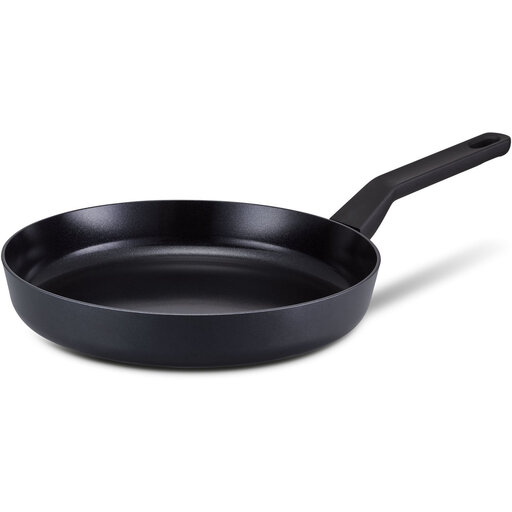
Why it suits this profile: The diameter is suitable for everyday cooking and, according to the product information, the pan works on induction, gas, electric, ceramic and halogen hobs.
Induction compatibility and the size are clearly stated. The pan is dishwasher-safe, although hand washing is recommended to help preserve the ceramic coating for longer.
100% recycled aluminium according to the product information, a ceramic PFAS-free coating and a heat-resistant handle.
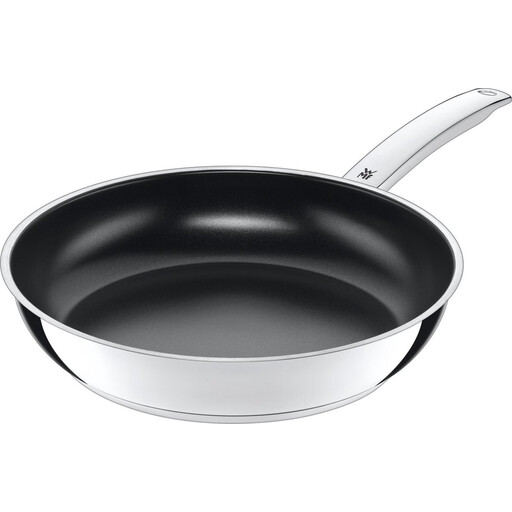
Why it suits this profile: This stainless-steel pan with a ceramic coating is designed for anyone who values a robust construction and versatile performance.
The pan is suitable for induction and other heat sources. The product specifications also clearly state that hand washing is required, preventing incorrect expectations about dishwasher use.
Cromargan 18/10 stainless steel, a ceramic PFAS-free coating according to the product information and a 2-year manufacturer’s warranty.
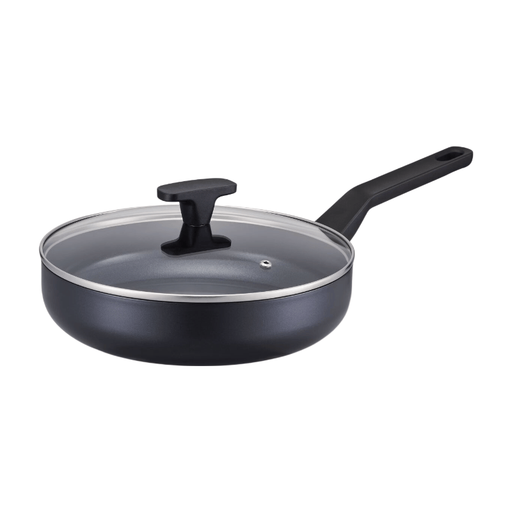
Why it suits this profile: The higher sides and lid are useful for simmering, sauces, stews and meals for several people.
According to the product information, the pan is suitable for induction and has a PFAS-free ceramic coating. The maximum load and recommended filling height are specified, helping to prevent spills.
Glass lid, 26 cm diameter, recycled aluminium according to the product information and dishwasher-safe design.
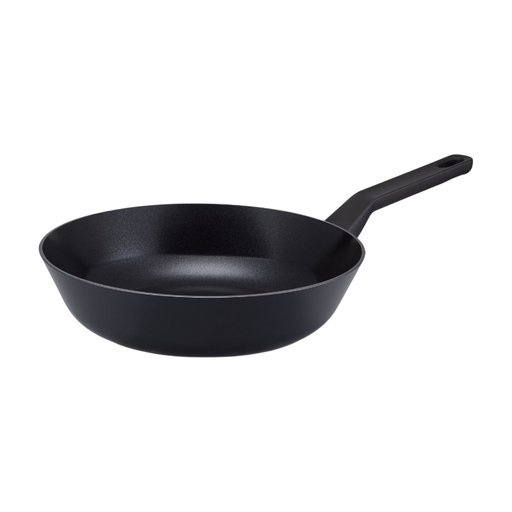
Why it suits this profile: The wok shape provides extra space for vegetables, noodles, meat and other stir-fry dishes without having to move straight to a 32 cm pan.
The 16 cm base diameter is listed, so you can compare it with your induction zone. The pan is suitable for several heat sources, and the product information states that it has a PFAS-free coating.
28 cm diameter, ceramic double non-stick coating and dishwasher-safe design; hand washing is still recommended for a longer service life.
We have compiled a complete, up-to-date list of products that fully meet these strict selection criteria and the applicable European safety regulations.
A durable frying pan depends on more than just the material. Follow these habits:
With a PFAS-free frying pan, it is still important to check the specific product information. The term says nothing about the hardness of the ceramic layer or whether the pan is suitable for use in the oven and dishwasher.
For everyday cooking, 24 cm is a versatile size. A 28 cm frying pan is suitable for larger portions and families. Choose 32 cm only when your cooking zone and storage space are large enough. Above all, check the diameter of the magnetic base.
No, do not rely solely on the word “ceramic”. Check that PFAS-free is explicitly stated in the product information. According to the product specifications, this is listed for the Brabantia and WMF models mentioned above.
Technically, it can if the manufacturer permits this, but hand washing is often gentler on the coating and handle. Allow the pan to cool first and do not use harsh cleaning products or abrasive sponges.
