
Vandaag of morgen in huis

Kwaliteit gegarandeerd

Welkomstaanbiedingen ontgrendelen: GRATIS bezorging | Tot 80% korting | Gratis 30 dagen JoyPlus-proefperiode
Download de app
A frying pan may seem simple to choose, but product pages can hide important differences. A pan with a non-stick coating isn’t automatically suitable for induction, a dishwasher-safe pan won’t necessarily last longer, and a large pan won’t fit every cooking zone.
So watch out for these three common pitfalls:
Choose the diameter to suit your household and cooking style:
A large frying pan needs more than just a bigger cooking surface. On an induction hob, the magnetic base also needs to sit properly over the cooking zone. A pan with a wide rim but a smaller base may not heat as evenly.
A deeper pan can also be more versatile. A frying pan with a lid is handy for simmering and cooking food through. If you often make sauces, risotto or larger quantities of vegetables, you could also consider a sauté pan. It usually has higher, straighter sides than a traditional frying pan.
Aluminium usually heats up quickly and is relatively lightweight. A cast aluminium pan may feel sturdier, while stainless steel is a good choice if you’re looking for a pan without a traditional non-stick coating. A multi-layer base with aluminium layers can spread heat over a wider area.
When choosing a non-stick frying pan, check:
A ceramic frying pan may be an alternative if you’re specifically looking for a ceramic coating. According to Brabantia’s product information, the Onyx frying pan has a PFAS-free ceramic coating. For the SENSARTE white ceramic set, the manufacturer states that the coating is free from intentionally added PFAS, PTFE, PFOA, PFOS, APEO, lead and cadmium. These are statements from the brands’ product information; always check the current specifications when buying.
The construction beneath the coating matters for a granite frying pan, too. According to the manufacturer, SENSARTE pans use cast aluminium with a Swiss ILAG granite non-stick coating. The manufacturer states that no PFOA, PFOS, APEO, lead or cadmium has been intentionally added to the coating. What’s more, ‘PFOA-free’ or ‘PFAS-free’ doesn’t automatically tell you how long a pan will last. Overheating, metal spatulas and abrasive cleaning products can damage any coating.
A pan described as dishwasher-safe on its product page isn’t necessarily the easiest to care for in the long run. The combination of hot water, dishwasher detergent and repeated temperature changes can put more strain on a coating. Hand-washing with a soft sponge is often a gentler option.
For non-stick coatings, it’s best to use silicone, wooden or nylon utensils. Don’t heat an empty pan for longer than necessary, and follow the maximum oven temperature. With stainless steel, preheating the pan and using enough fat can help prevent food from sticking, but it calls for a different cooking technique from a non-stick pan.
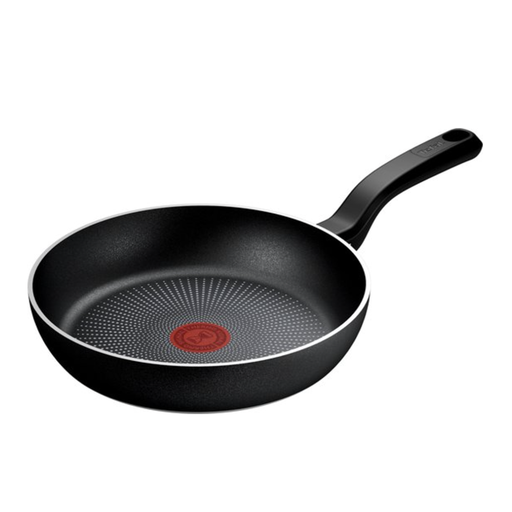
Why it suits this profile: Its manageable size works well for one or two people, and according to the product information, the pan is suitable for induction, gas, electric, ceramic and glass hobs.
The stated hob compatibility means you won’t find yourself needing a separate pan for induction. According to Tefal, the Thermo-Signal indicator shows when the pan has reached the right temperature.
24 cm, aluminium body, Titanium 2X non-stick coating according to the manufacturer, and dishwasher- and oven-safe according to the product information.
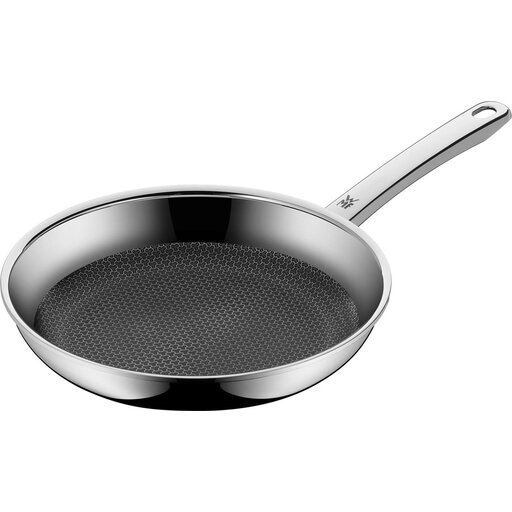
Why it suits this profile: The combination of stainless steel, aluminium and a honeycomb structure is designed for everyday frying and searing, with a sturdier pan construction.
The three layers and TransTherm base are clearly described, so you don’t have to rely on the coating name alone. However, the product information states that hand-washing is required.
Suitable for all heat sources, including induction, with a stated heat resistance of up to 260 °C.

Why it suits this profile: The 28 cm pan with lid is suitable for larger portions, sauces, sautéing and dishes where you want to retain moisture.
The product information specifically lists a multi-layer construction, a glass lid and compatibility with induction, gas, electric and ceramic hobs.
304 stainless steel, 28 cm diameter, oven-safe up to 220 °F according to the product information, and dishwasher-safe.
We’ve put together a complete, up-to-date list of products that meet these strict selection criteria and the current European safety regulations.
For one person, 20 to 24 cm is often practical. For two to four people, 26 to 28 cm is usually a better fit. If you have an induction hob, check that the base diameter matches the cooking zone.
Choose a pan with a magnetic base and an explicit statement that it’s suitable for induction. Aluminium without a magnetic base won’t work on induction. Product information for many models also states whether they’re suitable for gas, electric and ceramic hobs.
How long it lasts depends on how you use, heat and care for it. Avoid heating an empty pan on a high setting, using metal utensils and cleaning with abrasive products. Replace the pan if the coating is visibly damaged or coming away. A stainless steel frying pan may last longer, but needs more care to get the temperature right and prevent food from sticking.
