
Vandaag of morgen in huis

Kwaliteit gegarandeerd

Welkomstaanbiedingen ontgrendelen: GRATIS bezorging | Tot 80% korting | Gratis 30 dagen JoyPlus-proefperiode
Download de app
Choosing a new frying pan seems simple until you have to consider its size, heat source, non-stick coating, handle and care requirements. A pan that looks handy in the shop might be too small for a family meal at home, unsuitable for induction or prone to wearing out sooner if used incorrectly.
This buying guide will help you compare the key specifications without being swayed by marketing claims. Afterwards, you’ll find some popular options for different cooking styles.
An induction frying pan needs a magnetically compatible base. Many aluminium pans therefore have a stainless steel induction disc added to the base. Also check that the base diameter suits your cooking zone. For example, a 28 cm pan may have a smaller usable base than you expect.
The products below are explicitly listed as suitable for induction, gas, electric and ceramic hobs. Always check the latest product specifications when buying.
A non-stick frying pan helps food release more easily and can make cleaning simpler. That doesn’t mean metal spatulas, knives or scouring pads are suitable. It’s best to use utensils made from wood, silicone or nylon.
High temperatures and heating an empty pan can also put strain on the coating. A dishwasher may be convenient, but hand-washing is recommended for several models to help extend the life of the coating.
A 24 cm frying pan is often practical for one or two people. For several portions, stir-fries or pancakes, a 28 cm frying pan gives you more room to work. Also consider the depth of the sides, the weight and the length of the handle.
A smaller pan isn’t automatically more convenient. A heavy pan may feel stable, but it can be less comfortable if you regularly need to toss the ingredients.
Don’t just look at the top rim. The diameter of the base determines how the pan heats on an induction zone or hob.
An aluminium frying pan is generally lightweight and heats up quickly. Aluminium is often combined with an induction base and a non-stick coating. A stainless steel pan can stand up to intensive use, but requires closer attention to temperature and cooking fat if it doesn’t have a traditional non-stick coating.
Combining materials can bring together different benefits. The WMF Profi Resist, for example, is made from stainless steel and aluminium, with a honeycomb structure around the non-stick coating. According to the product description, it’s suitable for all heat sources and heat-resistant up to 260 °C.
If you’re looking for a PFAS-free frying pan, check the difference between PFAS-free and PFOA-free. A PFOA claim doesn’t automatically mean the same thing as a claim covering the entire PFAS group. So check the manufacturer’s specific information.
The Brabantia Onyx is described in the product information as 100% PFAS-free and features a ceramic coating. Other models may be described as “made without intentionally added PFOA”, for example. These are different claims and shouldn’t be treated as interchangeable.
A ceramic frying pan may appeal if you’re looking for a pan without a PTFE or PFAS coating, but this type of coating also needs careful handling. Avoid metal utensils, sudden changes in temperature and abrasive cleaners.
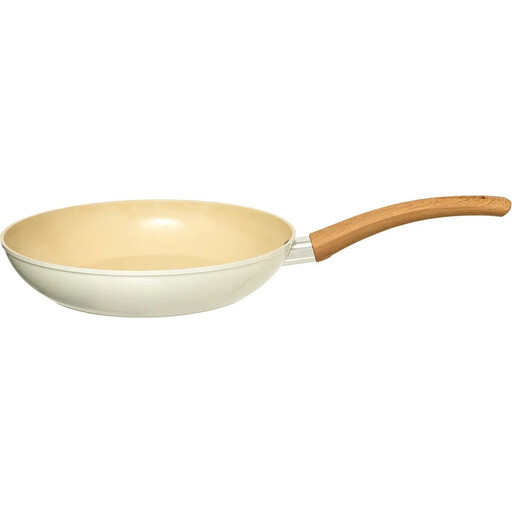
Why it suits this cooking style: The 24 cm size is ideal for everyday portions, without having to opt for a large, heavy pan. According to the product specifications, it weighs 440 grams.
The product specifications list it as suitable for gas, induction, ceramic and electric cooking. So you don’t have to guess whether it will work on your hob.
Recycled aluminium, two non-stick layers and a soft-touch handle. Hand-washing is recommended to help extend its life.
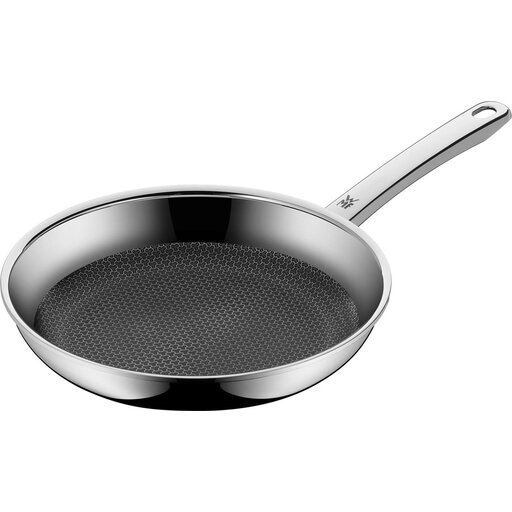
Why it suits this cooking style: According to the product description, this pan combines an aluminium core with Cromargan stainless steel and a honeycomb structure. It’s a good fit if you prepare a variety of dishes.
The specifications list it as suitable for induction and heat-resistant up to 260 °C. The pan isn’t dishwasher-safe, so hand-washing is part of its care routine.
Suitable for all heat sources, with an ergonomic handle and a five-year manufacturer’s warranty, according to the product information.
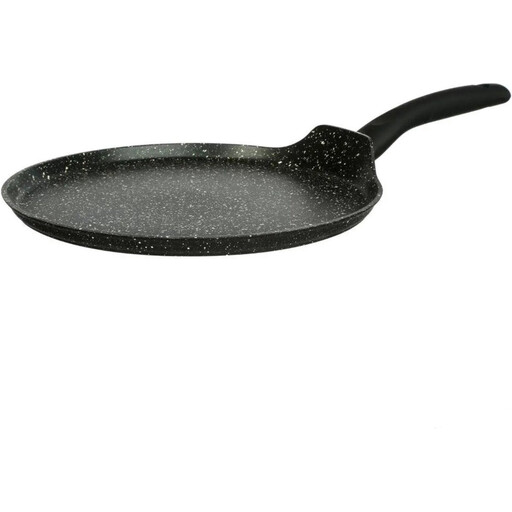
Why it suits this cooking style: The generous diameter gives you extra room for pancakes, larger portions and ingredients that need space to spread out as they cook.
The diameter is clearly listed as 28 cm, and according to the product specifications, the pan is suitable for induction, gas, ceramic and electric cooking.
Aluminium body, two non-stick layers and a weight of 780 grams. Hand-washing is recommended, even though the product information says the pan is dishwasher-safe.
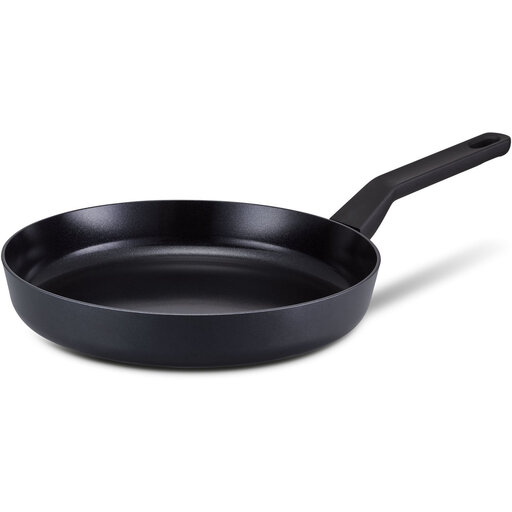
Why it suits this cooking style: The product information lists a PFAS-free ceramic coating and a body made from 100% recycled aluminium.
The coating claim is more specific than simply saying “non-stick”: the product information describes it as 100% PFAS-free. Be sure to use suitable utensils and avoid overheating the pan.
24 cm, suitable for induction and other common hob types, with a heat-resistant ergonomic handle. Hand-washing is recommended to protect the ceramic coating.
We’ve put together a complete, up-to-date list of products that meet these strict selection criteria and the current European safety regulations.
A durable frying pan isn’t just about the material. How you use it every day also makes a difference:
A frying pan set can be good value if you often use different sizes. Just make sure you really need both pans and that the coatings have similar care requirements.
A 20 cm pan is often enough for one person. A 24 cm frying pan suits many everyday meals for one or two people. Choose 28 cm if you’re cooking larger portions, pancakes or several ingredients at once.
Choose a model whose product information explicitly says it’s suitable for induction. Aluminium alone isn’t enough; the pan will generally need a magnetic base or induction disc. Make sure the pan is also correctly positioned on the cooking zone.
Its lifespan depends on the coating, temperature, utensils and cleaning method. Hand-washing, moderate heat and non-metal spatulas can help protect the coating. Replace the pan if the coating is visibly damaged or starts to come away.
