
Vandaag of morgen in huis

Kwaliteit gegarandeerd

Welkomstaanbiedingen ontgrendelen: GRATIS bezorging | Tot 80% korting | Gratis 30 dagen JoyPlus-proefperiode
Download de app
A frying pan may seem like a straightforward purchase, but differences in the base, coating and size can make a big difference to how enjoyable it is to cook with. A pan that looks suitable for everything on the packaging may prove too small for a family meal, perform poorly on an induction hob or wear out sooner if it isn’t cared for properly.
So, watch out for these three common pitfalls:
The most common sizes are 20 cm, 24 cm and 28 cm frying pans.
With induction, it’s not just the diameter of the top rim that matters. The cooking zone needs to heat the base effectively. So check that the product information explicitly states that the pan is suitable for induction and that its base matches your cooking zone. A pan that’s too small for a large induction zone may not heat evenly.
An aluminium frying pan is often lightweight and heats up quickly. That’s handy for everyday cooking, but check that the base is suitable for induction. A stainless steel frying pan is generally designed for high temperatures and searing. Without a non-stick coating, stainless steel does need a little more attention when it comes to preheating and using the right amount of oil.
A ceramic frying pan may be worth considering if you’re looking for a PFAS-free pan. Check the exact product details, though. The Brabantia Onyx product specifications state that it has a 100% PFAS-free ceramic coating. This is a specification for that brand’s product, not a general feature of every ceramic pan.
When choosing a non-stick frying pan, it’s worth checking:
“Dishwasher-safe” doesn’t automatically mean the coating will last just as long with intensive use. Washing-up liquid, high temperatures and contact with other pans can all affect its lifespan.
A sturdy handle should feel secure in your hand and, according to the product specifications, stay cool enough during normal cooking. If the pan has a Bakelite or plastic handle, check its maximum temperature. A metal handle may be more suitable for oven use, but it can get hot while you’re cooking.
For pans with a coating, it’s best to use wooden, silicone or plastic utensils. Let the pan cool before washing it, and avoid sudden changes in temperature. If you notice the coating peeling or becoming damaged, stop using the pan.
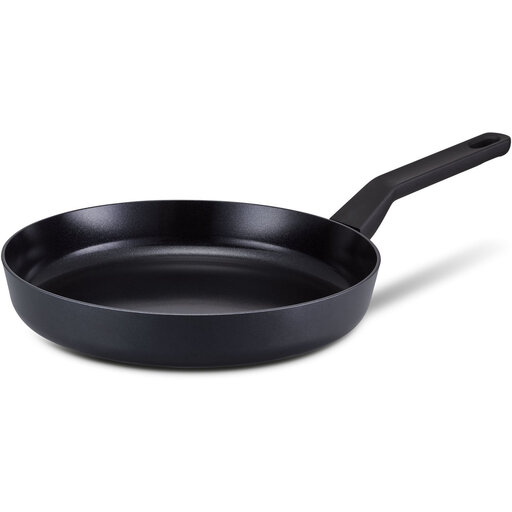
Why it suits this type of cook: Its versatile size is ideal for everyday portions, and according to the product information, the pan is suitable for induction, gas, ceramic, electric and halogen hobs.
The product specifications state that it has a PFAS-free ceramic coating and clearly list compatible heat sources. Hand washing is still recommended to protect the coating.
24 cm, aluminium body, double ceramic non-stick coating and, according to the product listing, dishwasher-safe.
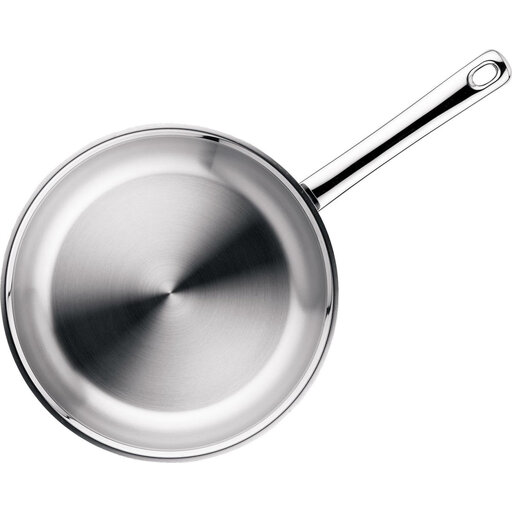
Why it suits this type of cook: This stainless steel frying pan is designed for those who mainly want to sear food and are looking for a pan with no non-stick coating listed.
The material and induction compatibility are clearly specified. There’s no coating to protect from metal utensils, but preheating is still important.
Cromargan 18/10 stainless steel, TransTherm base, suitable for all heat sources and dishwasher-safe according to the product information.
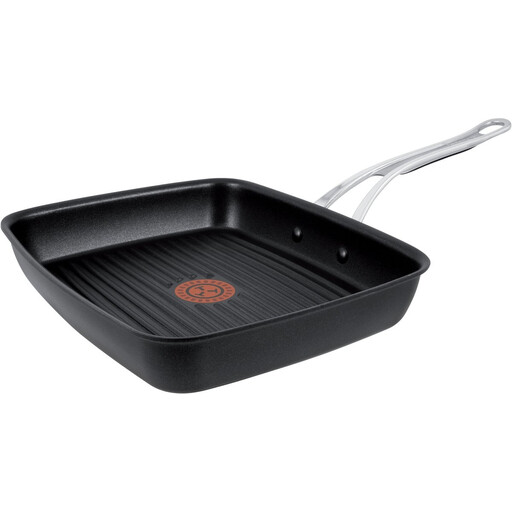
Why it suits this type of cook: The 23 × 27 cm square grill pan is designed for grilling, searing and dishes that need extra cooking space.
This pan wasn’t selected on size alone: the product information specifies an induction base, cast aluminium and a non-stick coating.
Suitable for induction, dishwasher-safe according to the product listing, with pouring spouts and a riveted handle.
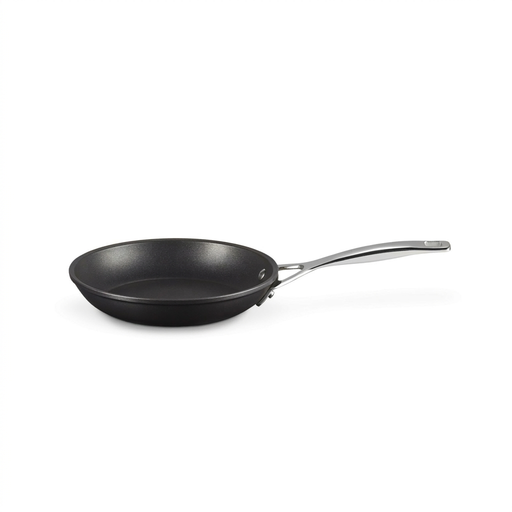
Why it suits this type of cook: This wide pan is ideal for frying, sautéing and browning when a 20 or 24 cm pan doesn’t offer enough room.
The product information lists the diameter, 4.5 cm low sides and induction compatibility. This makes it easier to match the pan size to your cooking zone and portions.
28 cm, aluminium body, PFOA-free according to the product listing, suitable for all hobs and oven-safe.
We’ve put together a complete, up-to-date list of products that meet these strict selection criteria and the applicable European safety regulations.
Choose a pan that the manufacturer explicitly states is suitable for induction. Also check the diameter of the magnetic base, which should match your cooking zone. A pan may have a diameter of 28 cm, while the area that actually heats up is smaller.
That depends on how you use, heat and care for it. Don’t use metal utensils, heat the pan when empty or clean it with abrasive sponges. Hand washing can help extend the life of a ceramic or other non-stick coating, even if the packaging says the pan is dishwasher-safe.
A ceramic frying pan is practical for eggs, pancakes and ingredients that tend to stick. A stainless steel frying pan is better suited to high temperatures and searing, but requires more care with preheating and cooking fat. The right choice depends on your cooking style, not just the material.
