
Vandaag of morgen in huis

Kwaliteit gegarandeerd

Welkomstaanbiedingen ontgrendelen: GRATIS bezorging | Tot 80% korting | Gratis 30 dagen JoyPlus-proefperiode
Download de app
A new frying pan might seem easy to choose, but product pages often use terms that don’t mean the same thing. A non-stick coating, for example, might be described as “healthy” or “stone-like” without making it clear which materials have been used. A pan may also be marketed as dishwasher-safe, even though hand washing is recommended to help the coating last longer.
For households in the Netherlands, these are the main pitfalls to watch out for:
A ceramic frying pan usually has a ceramic coating over an aluminium or steel body. According to the product description for the Redchef Starlight, its coating is free from PTFE, PFOA and PFAS. Brabantia states that the Onyx range has a 100% PFAS-free ceramic coating. This information comes from the brand’s product details, so always check the latest specifications before buying.
Other models may say, for example, “made without intentionally added PFOA”. This is a more limited claim than “PFAS-free”, so only rely on the claim actually made for the product. Coatings can also be scratched. Use wooden, silicone or nylon utensils, and avoid metal kitchen tools.
A frying pan for induction needs a magnetically compatible base. Also check the diameter of the base, not just the top rim. A 28 cm pan may heat less evenly on a smaller induction zone.
According to their product descriptions, the models in the selection below are suitable for several heat sources, including induction, gas, and electric or ceramic hobs. If you have an unusual hob, always check the specifications for the model you’re considering.
An aluminium pan often heats up quickly. A steel or multi-layer base can offer extra stability and induction compatibility. Handles can become hot at high temperatures, even if the product has a heat-resistant handle.
A non-stick pan set can be good value if you use different sizes. A set with a lid is also handy for frying, sautéing and briefly cooking food through. Do bear the overall weight and storage space in mind.
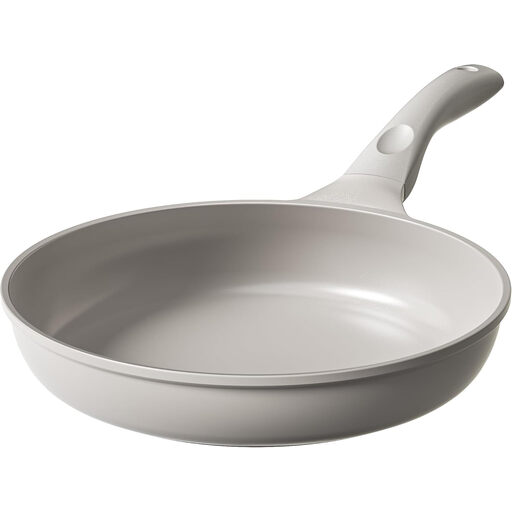
Why it suits this type of buyer: The 28 cm size gives you room to cook everyday family meals. According to the product description, this ceramic pan is suitable for induction, gas and electric hobs.
The product information explicitly states that the coating is free from PTFE, PFOA and PFAS. Just remember not to use metal kitchen tools.
28 cm, ceramic coating, suitable for induction and described as dishwasher-safe in the product details.
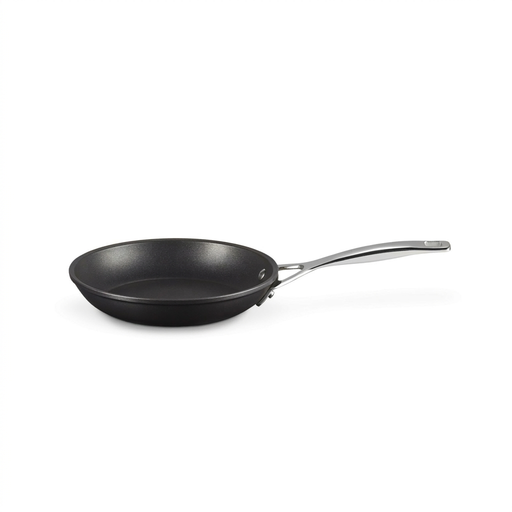
Why it suits this type of buyer: The wide, shallow shape is ideal for frying, sautéing and browning. According to the product description, the pan is suitable for all hobs and oven use.
The product description states that the coating is PFOA-free, but doesn’t make the same claim as saying it is completely PFAS-free. That distinction is clear.
28 cm diameter, aluminium body, stainless steel handle and oven compatibility according to the product information.
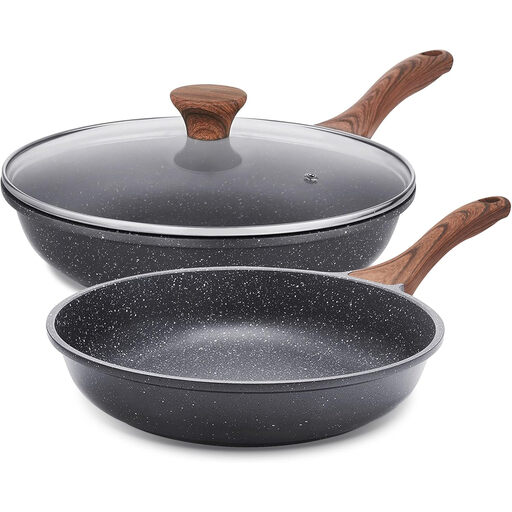
Why it suits this type of buyer: The combination of a small pan and a lidded frying pan makes it easy to tackle different cooking jobs, from making an omelette to simmering a dish.
The product information states that it’s compatible with induction, gas and electric hobs. Hand washing is recommended, despite the stated dishwasher compatibility.
Two sizes, glass lid, cast aluminium and a coating described as made without intentionally added PFOA.
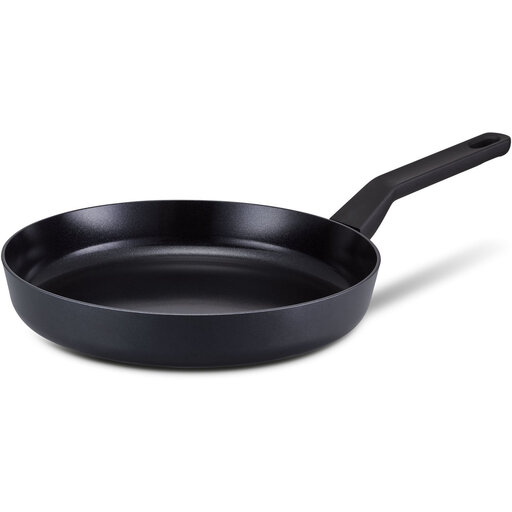
Why it suits this type of buyer: The 24 cm size is practical for eggs, omelettes and everyday portions. The product description specifies a PFAS-free ceramic coating and recycled aluminium.
The coating claim clearly states that it’s PFAS-free. According to the care instructions, hand washing is still recommended to help the pan last longer.
24 cm, suitable for induction and other heat sources, double-layer ceramic non-stick coating and dishwasher compatibility according to the product description.
We’ve put together a complete, up-to-date list of products that meet these strict selection criteria and the applicable European safety regulations.
For one person, 20 to 24 cm is often practical. A 28 cm frying pan gives you more room to cook for two to four people. Also consider the diameter of your hob zone and the weight of the pan.
Choose a model that explicitly lists induction as a compatible heat source. A magnetic base is essential. Position the pan as close to the centre of the hob zone as possible for even heat distribution.
Don’t heat the pan empty on a high setting, use wooden or silicone utensils, and let the pan cool before washing it. Even with a dishwasher-safe frying pan, hand washing with a soft sponge can help the coating last longer. Stop using the pan if the coating is visibly peeling or damaged.
