
Vandaag of morgen in huis

Kwaliteit gegarandeerd

Welkomstaanbiedingen ontgrendelen: GRATIS bezorging | Tot 80% korting | Gratis 30 dagen JoyPlus-proefperiode
Download de app
An egg that sticks, a pancake that tears, or a piece of meat that cooks unevenly. A worn-out or unsuitable frying pan can cause a lot of frustration in the kitchen. The search for a new pan isn't always straightforward. There are many materials, brands, and features to choose from.
This article is intended as a practical guide. We'll outline the most important factors to consider and highlight a few popular choices based on their specifications. This will help you make an informed decision that suits your cooking style and budget.
Before you make a choice, it's helpful to consider a few key points. These will determine how the pan performs and how long you'll be able to enjoy it.
The material of the pan affects heat distribution and maintenance.
Not every pan works on every hob. This is a crucial point, especially if you cook on an induction hob. A frying pan for induction must have a magnetic base. Without this feature, the hob will not recognise the pan and therefore will not heat it. Always check the product information for the induction symbol (a coil-shaped icon).
The diameter of the pan determines how much you can cook in it. A 28 cm frying pan is a versatile size, suitable for most households of 2 to 4 people. If you often cook for a larger group or enjoy making one-pan dishes, a 30 or 32 cm pan might be a better choice. For a single egg, a smaller model is more convenient.
Based on the criteria above, we have selected a number of pans that represent different needs and cooking styles.
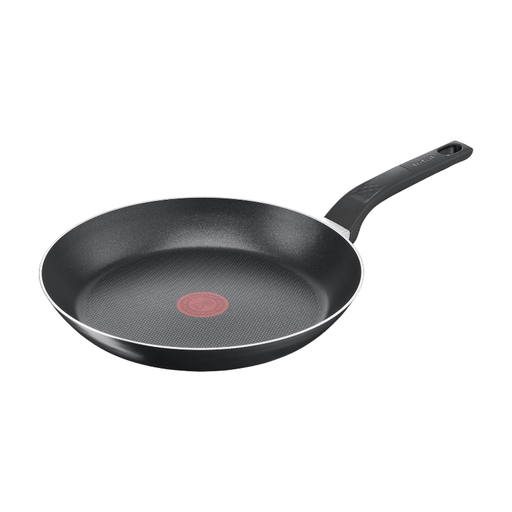
Why It Stands Out: This pan is all about convenience. The large 32 cm diameter is ideal for families. According to Tefal, the pan is fully coated on both the inside and outside, which makes cleaning significantly easier.
Key Features:
Who is this pan for? For home cooks with a gas, electric, or ceramic hob who are looking for a large, user-friendly pan for daily meals and who value easy cleaning. Please note: this pan is not suitable for induction.

Why It Stands Out: This Tefal frying pan combines the brand's well-known user-friendly features with suitability for all heat sources, including induction. The manufacturer claims that the titanium non-stick coating lasts up to three times longer.
Key Features:
Who is this pan for? For the everyday cook looking for a reliable all-rounder that performs on any hob, including induction. The focus is on the durability of the non-stick coating and ease of use.
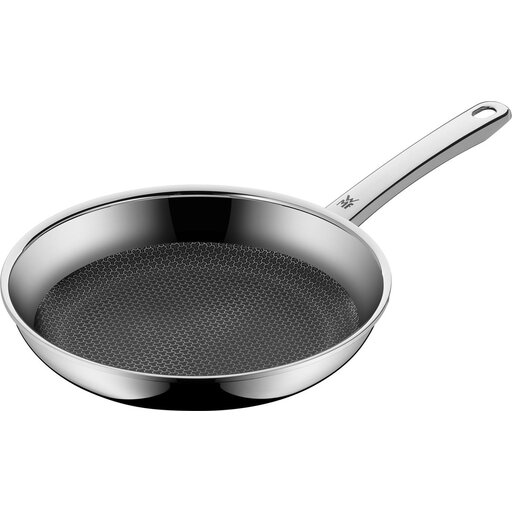
Why It Stands Out: This WMF frying pan combines the benefits of a stainless steel frying pan with the convenience of a non-stick coating. The pan has a stainless steel honeycomb structure that protects the underlying non-stick layer. This makes the pan suitable for searing meat at high temperatures.
Key Features:
Who is this pan for? For the ambitious home chef who likes to invest in durability and professional cooking results. Ideal for those who want the robustness of stainless steel for searing meat but also appreciate the convenience of a non-stick coating for other dishes.
The right pan depends heavily on your personal preferences and the type of hob you use. For example, are you specifically looking for pans that are guaranteed to work well on a ceramic hob? Many more options are available.
Explore more pans for electric and ceramic hobs
Look for a few clear signs. If the non-stick coating is visibly scratched or peeling, it's time for a new pan. Also, if the base is warped and no longer sits flat on the hob, the heat will not be distributed evenly. Another sign is when food consistently sticks, even with enough oil or butter.
A pan with a non-stick coating is designed for convenience. Food releases easily, allowing you to cook with little fat, and the pan is easy to clean. A stainless steel frying pan (without a coating) is made for high-temperature performance. It is ideal for creating a crispy crust on meat (the Maillard reaction). However, this requires a slightly different cooking technique to prevent sticking.
To extend the life of the non-stick coating, you can follow a few simple steps. Use wooden, silicone, or plastic utensils to prevent scratches. Do not heat the pan empty on the highest setting, and let the pan cool down before cleaning it. Although some pans are dishwasher-safe, hand washing with a soft sponge is often the recommended method for a longer lifespan.
