
Vandaag of morgen in huis

Kwaliteit gegarandeerd

Welkomstaanbiedingen ontgrendelen: GRATIS bezorging | Tot 80% korting | Gratis 30 dagen JoyPlus-proefperiode
Download de app
A frying pan might seem simple to choose, until you need to consider the coating, size, hob and care instructions. A pan that looks handy in the shop might be too small for a family meal at home, heat unevenly or show signs of wear quickly.
Look out for these common pitfalls:
The diameter determines how much food you can cook at once.
Don’t just look at the top diameter. The base diameter matters on an induction hob, as it needs to align properly with the cooking zone.
A non-stick frying pan may have a ceramic, PTFE or other type of coating. Check exactly what the manufacturer says.
A ceramic frying pan is often marketed as PFAS-free. Some products explicitly state that their coating is free from PTFE, PFOA and PFAS. For other models, the manufacturer may only say “made without intentionally added PFOA” or similar substances. This is not automatically the same as a claim that the pan is completely PFAS-free.
According to Redchef’s product information, the ceramic coating on the Starlight series is free from PTFE, PFOA and PFAS. Brabantia describes the Onyx series as having a 100% PFAS-free ceramic coating. Tefal says the So Expert has a coating that is free from PFOA, lead and cadmium. This information comes from the brands’ product descriptions; don’t treat marketing claims as a general guarantee for every pan in a product range.
Use wooden, silicone or nylon utensils with any non-stick coating. Metal utensils can cause scratches, even if the coating is described as scratch-resistant.
An induction-compatible frying pan usually has a magnetic base, often with a layer of stainless steel. Check that the pan is suitable for:
A frying pan with a lid is handy for simmering, vegetables, sauces and dishes where you want to retain heat and moisture. Also check the maximum oven temperature. The handle may have a lower temperature limit than the pan itself.
“Dishwasher-safe frying pan” doesn’t mean the coating will last indefinitely in the dishwasher. Hand washing with a soft sponge and mild washing-up liquid is usually the gentler option. Let a hot pan cool first, and avoid putting it straight into cold water to reduce the risk of warping.
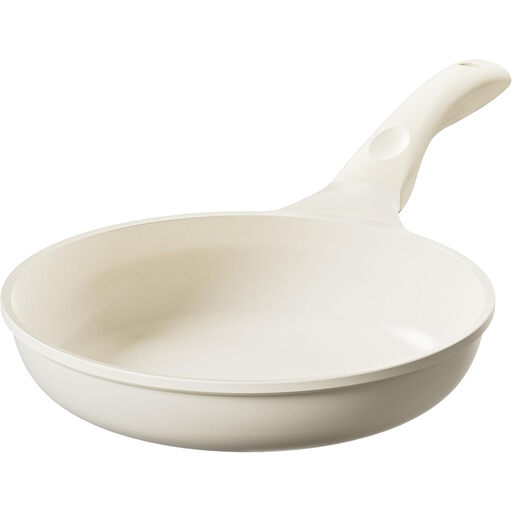
Why it suits this buyer: Its size is ideal for everyday portions, and the product description says it is compatible with induction, gas and electric hobs.
The specifications describe a ceramic coating that is free from PTFE, PFOA and PFAS. Avoid metal utensils to help prevent scratches.
24 cm diameter, ergonomic Bakelite handle and, according to the product information, dishwasher-safe.
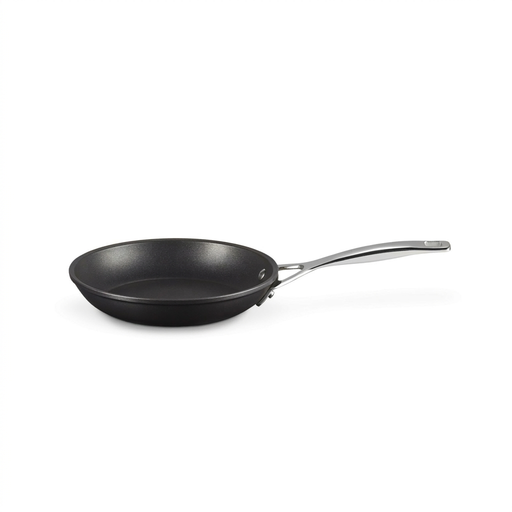
Why it suits this buyer: This wide pan is designed for frying, sautéing and browning, making it a good choice if you want one roomy pan for a range of dishes.
The product information mentions a PFOA-free coating, a base suitable for all hobs and a stainless steel handle. Make sure you have enough room on your hob.
28 cm diameter, aluminium body, induction-compatible and, according to the description, oven-safe.
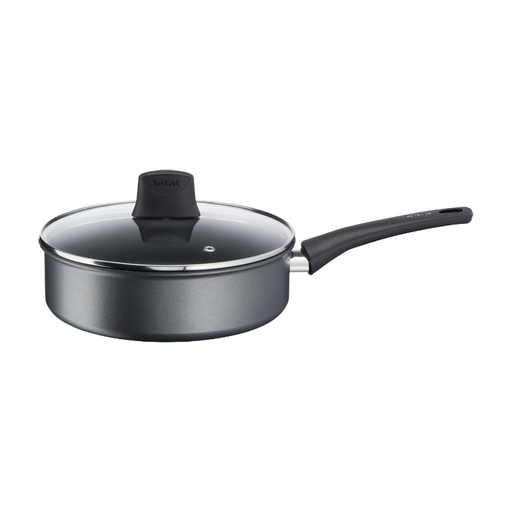
Why it suits this buyer: The lid makes this pan handy for dishes you want to fry, then briefly cook through or keep warm.
The specifications mention an extended induction base, compatibility with all hobs and a clearly stated maximum oven temperature of 175 °C.
24 cm size, glass lid, Thermo-Signal indicator according to the brand description, and dishwasher-safe.
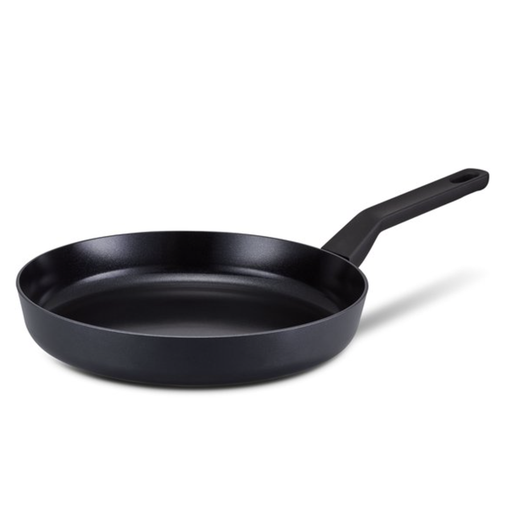
Why it suits this buyer: This compact pan takes up little space and is designed for small portions, eggs and omelettes.
The product information mentions a 100% PFAS-free ceramic coating and compatibility with induction, gas, electric, ceramic and halogen hobs.
20 cm diameter, aluminium made from recycled material, ceramic coating and, according to the specifications, dishwasher-safe.
We’ve put together a complete, up-to-date list of products that meet these strict selection criteria and current European safety regulations.
Choose a pan that the manufacturer explicitly describes as induction-compatible. Check the base diameter too. For even heating, the magnetic base needs to align properly with the induction zone.
Its lifespan depends on heat, use and care. Don’t heat an empty pan more than necessary, avoid metal utensils and let the pan cool before washing it. Replace the pan if the coating starts to peel, is clearly damaged or food no longer releases easily.
No. A ceramic or PFAS-free frying pan still needs careful handling. Hand washing, gentle cleaning products and wooden or silicone spatulas can help keep the coating in good condition for longer. Always check the care instructions for your specific product.
