
Vandaag of morgen in huis

Kwaliteit gegarandeerd

Welkomstaanbiedingen ontgrendelen: GRATIS bezorging | Tot 80% korting | Gratis 30 dagen JoyPlus-proefperiode
Download de app
A frying pan seems like a simple purchase, until you have to choose between stainless steel, aluminium, ceramic or cast iron, and between 24 cm or 28 cm. Terms such as “suitable for all hobs”, “durable” and “non-stick” only tell you so much until you check the full specifications.
For households in the Netherlands, there are three main pitfalls to look out for:
A stainless steel frying pan is suitable for searing food at high heat and can last a long time if you follow the care instructions. A tri-ply or multi-layer base typically combines stainless steel with a heat-conducting core. Check that the product information clearly explains how the layers are constructed.
A non-stick frying pan is handy for eggs, pancakes and fish. You can use less fat, and it’s usually easy to clean. We recommend using wooden, plastic or silicone utensils, unless the manufacturer specifically says otherwise.
A ceramic frying pan often has a smooth coating and is a good choice if you want food to release easily. Claims such as “PFAS-free” or “PTFE-free” should come from the official product information. Don’t assume that such claims mean the coating can’t wear away.
A deep pan gives you extra room for stir-fries, sauces and slow cooking. Choosing a frying pan with a lid helps retain moisture and reduce splattering. Always check whether the lid is included and what temperature it can withstand.
A 24 cm frying pan is handy for one to three portions, omelettes and everyday frying. Its diameter will often suit a medium-sized cooking zone. A 28 cm frying pan gives you more room for several pieces of meat, vegetables or a family meal, but you’ll also need enough space on your hob.
Don’t just look at the top rim. With induction, the diameter of the magnetic base is what matters most. A pan advertised as a frying pan for all hobs should, according to its specifications, be suitable for induction, gas, electric and ceramic hobs. Centre the pan on the cooking zone and avoid sliding it around to help prevent scratches on a glass hob.
Check these practical details before you order:
A durable frying pan is about more than just the material. A pan that’s comfortable to use and cared for properly is more likely to remain part of your daily kitchen routine for longer.
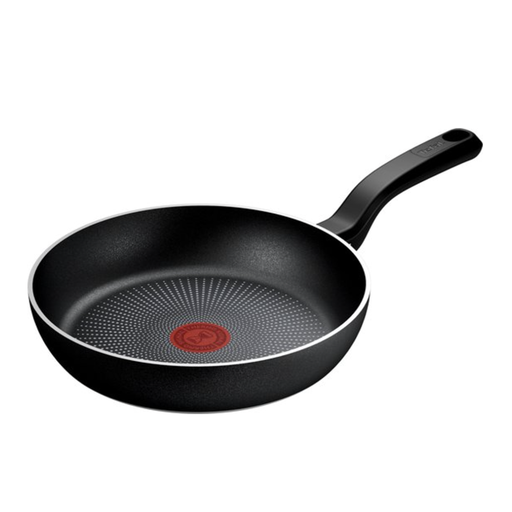
Why it suits this type of user: The size is practical for smaller households, and according to the product specifications, the pan is suitable for induction, gas, electric, ceramic and halogen hobs.
The product information lists both the coating and compatibility with different hobs. Let the pan cool before cleaning it.
24 cm, Titanium 2X non-stick coating according to the product description, Thermo-Signal indicator, and dishwasher- and oven-safe according to the listed specifications.
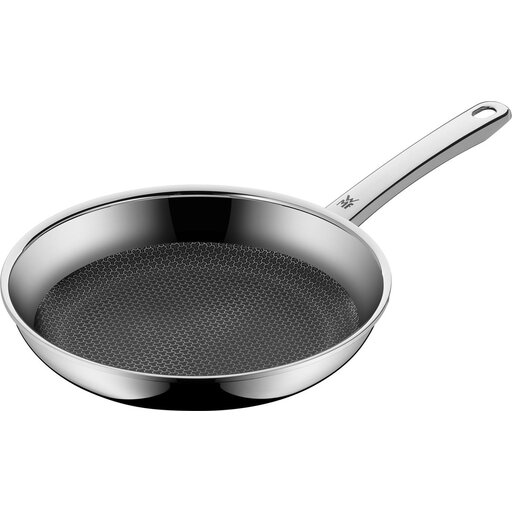
Why it suits this type of user: The 28 cm diameter gives you room for larger portions, while the multi-layer construction is well suited to frequent frying and searing.
The three layers and TransTherm base are clearly specified. According to the product information, the pan isn’t dishwasher-safe; washing it by hand helps you avoid choosing the wrong cleaning method.
Aluminium core, Cromargan 18/10 stainless steel, PermaDur non-stick coating and suitability for all heat sources according to the product specifications.
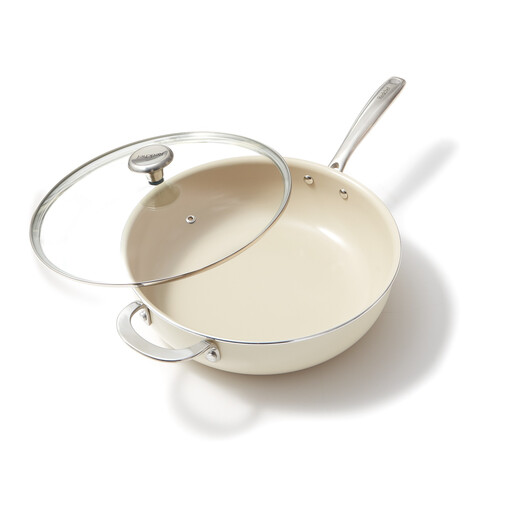
Why it suits this type of user: The deep shape and included glass lid are handy for stir-frying, slow cooking, blanching and preparing larger meals.
The product specifications explicitly list an induction base, a maximum oven temperature and care warnings. This lets you check in advance whether it’s suitable for your kitchen.
5-quart capacity, ceramic non-stick coating, tempered glass lid, and suitable for use on induction, gas and electric hobs according to the product information.
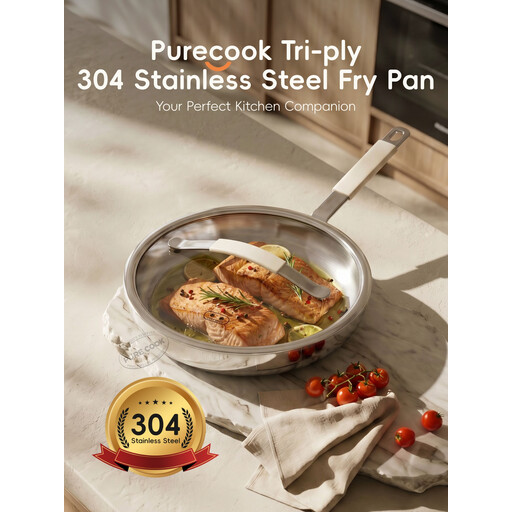
Why it suits this type of user: The 26 cm diameter is designed for cooking for around three to four people, and the lid is useful for frying, braising and slow cooking.
The product information lists a three-layer 304 stainless steel construction, induction compatibility and a glass lid. Avoid abrasive cleaners and metal utensils if you want to minimise scratches.
26 cm cooking surface, tri-ply base, heat-insulating silicone sleeve and glass lid according to the listed specifications.
We’ve put together a complete, up-to-date list of products that meet these strict selection criteria and the applicable European safety requirements.
Measure the cooking zone and compare it with the diameter of the magnetic base. A 24 cm pan will often suit a medium-sized zone, while a 28 cm frying pan is more practical for larger portions. Always check the manufacturer’s technical specifications.
Its lifespan depends on heat, cleaning and the utensils you use. Don’t heat an empty pan more than necessary, avoid metal scourers and follow the care instructions. Replace the pan if the coating starts to peel or is visibly damaged.
Yes, a stainless steel frying pan is suitable for everyday frying and searing. Let the pan heat up first, then add fat and ingredients, and use an appropriate heat setting. According to the product specifications, a multi-layer base will generally distribute heat more evenly than simple single-layer steel.
