
Vandaag of morgen in huis

Kwaliteit gegarandeerd

Welkomstaanbiedingen ontgrendelen: GRATIS bezorging | Tot 80% korting | Gratis 30 dagen JoyPlus-proefperiode
Download de app
A frying pan may seem like a simple purchase, but in practice, pans vary considerably in heat distribution, maintenance and suitability for induction hobs. A pan described as versatile in the shop may not, for example, be oven-safe. A large 28 cm frying pan can also become too heavy for everyday use, while a small pan may not offer enough space for a family meal.
Pay particular attention to these three common pitfalls:
Aluminium generally heats up quickly and is relatively lightweight. A cast aluminium pan can also feel sturdier than one made from thin sheet material. A stainless steel frying pan can withstand intensive use and usually does not have a traditional non-stick coating, making cooking technique more important. A cast iron frying pan retains heat for a long time, but is heavier and responds more slowly to changes in temperature.
Look out for terms such as multi-layer base, cast aluminium or TransTherm base. These are technical properties that indicate something about the construction, but on their own they do not guarantee the same results on every hob.
A ceramic frying pan may have a ceramic non-stick coating, while a steel or cast iron pan may also be supplied without a coating. When choosing a non-stick pan, check:
According to the product description, SENSARTE pans use a Swiss ILAG coating which, according to the manufacturer, is free from substances including PFOA, PFOS, APEO, lead and cadmium. This is a product specification provided by the brand; use the pan according to the instructions supplied and avoid overheating an empty pan.
For one or two people, 20 to 24 cm is often practical for eggs, vegetables or a small portion. A 28 cm frying pan offers more cooking space for meat, potatoes or several portions. For a family, 30 to 32 cm can be useful, but check that the pan fits properly on the hob zone.
An induction frying pan must be explicitly described as suitable for induction. Also consider the weight, handle and whether the pan can be used in the oven. A pan with a wooden or plastic handle is not automatically oven-safe.
The choices below are based on verifiable details such as size, material, heat sources, coating and maintenance.
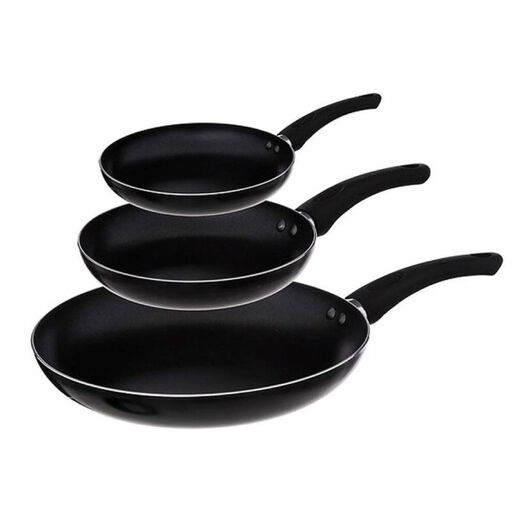
Why it suits this profile: Three sizes give beginners the flexibility to cook a fried egg, lunch for two or a larger meal. The set is suitable for gas, electric and induction hobs.
You do not have to rely on one universal size. The product specifications state that the set has two non-stick layers, scratch resistance and compatibility with all common heat sources. Hand washing is recommended for a longer lifespan.
20, 24 and 28 cm sizes; dishwasher-safe according to the product information; no lid included.
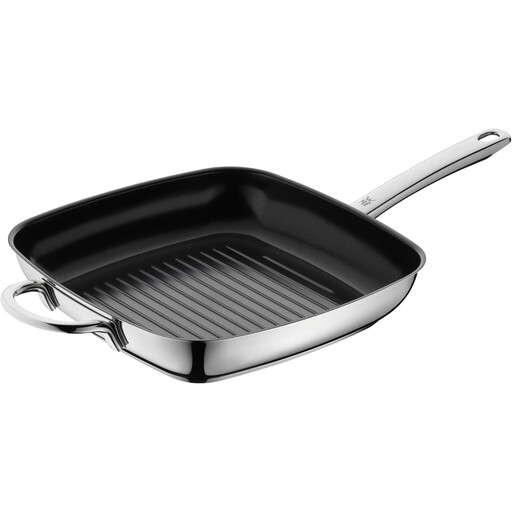
Why it suits this profile: This square grill pan, made from Cromargan 18/10 stainless steel, combines a ceramic coating with a TransTherm base. It is a good choice if defined grill marks and a robust pan construction are important to you.
The product information clearly states that the pan is not dishwasher-safe. It also specifies that it is suitable for induction, gas, electric hobs and other common heat sources.
28 x 28 cm size; ceramic coating; wide pouring rim; oven-safe according to the product description.
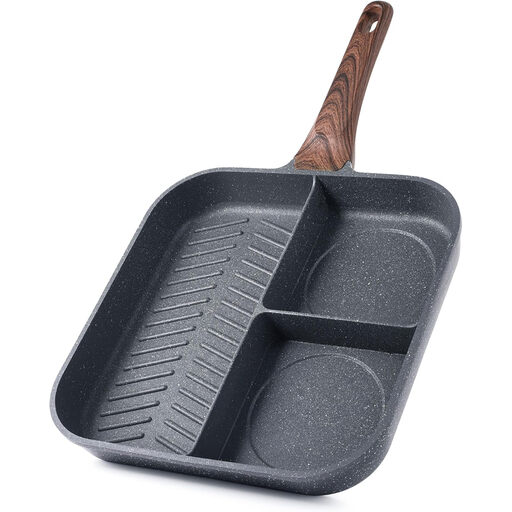
Why it suits this profile: The three separate sections are handy for cooking breakfast, burgers, vegetables or different ingredients at the same time. The pan is suitable for induction, gas, electric, glass and ceramic hobs.
The divided design helps prevent ingredients from mixing. The manufacturer also specifies a 4.5 mm-thick magnetic base. The pan is not oven-safe and must be washed by hand.
Three cooking zones; cast aluminium; non-stick coating; suitable for multiple hob types.
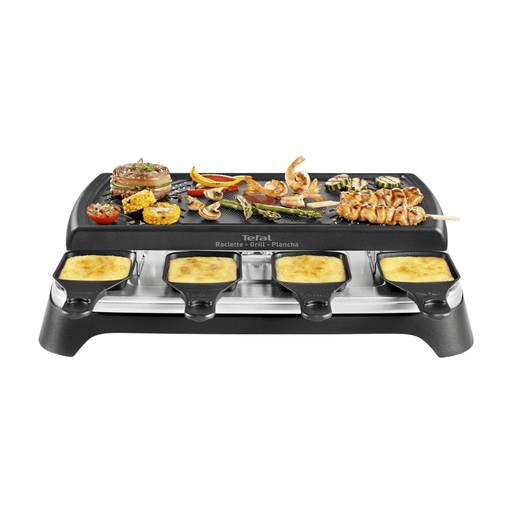
Why it suits this profile: This raclette gourmet set is designed for up to eight people. The combination of a grill plate and eight small pans is ideal for long evenings around the table with a group of diners.
The number of pans and the 51 x 26 cm cooking surface are clearly specified. The plates and small pans are dishwasher-safe; the base, plug and cable must not be immersed in water.
1350 watts of power; eight raclette pans; grill and cooking plate with non-stick coating; Thermospot indicator according to the product description.
We have put together a complete, up-to-date list of products that fully meet these strict selection criteria and the applicable European safety regulations.
When using a non-stick frying pan, wooden, plastic or silicone utensils are preferable. Allow a hot pan to cool down before washing it; a sudden change in temperature can cause warping. Scouring pads and steel wool can damage the coating or enamelled layer.
A cast iron frying pan requires different care from a ceramic frying pan. Dry cast iron immediately after cleaning and follow the manufacturer's care instructions. With stainless steel, using the right temperature and enough cooking fat helps prevent food from sticking. For every pan, check whether dishwasher and oven use are actually permitted.
If you are looking for a pan with a lid for stews, sauces or simmering, you could also consider a saucepan with a lid or a deep stainless steel frying pan. For breakfast with several small portions, a four-section egg pan may be more practical than a large standard frying pan.
Only choose a model that explicitly lists induction as a suitable heat source. Aluminium without a magnetic base will generally not work independently on induction. A magnetic or multi-layer base can solve this, but always check the official product specifications.
For one person, 20 to 24 cm is often sufficient. A 28 cm pan is suitable for larger portions and everyday cooking for two or more people. Also measure the hob zone and consider the weight, particularly with cast iron.
The lifespan depends on use, temperature and maintenance. Avoid preheating an empty pan on a high setting, using metal utensils and cleaning it with harsh products. As soon as the coating is visibly damaged or starts to come away, replacing the pan is a sensible choice.
