
Vandaag of morgen in huis

Kwaliteit gegarandeerd

Welkomstaanbiedingen ontgrendelen: GRATIS bezorging | Tot 80% korting | Gratis 30 dagen JoyPlus-proefperiode
Download de app
A frying pan might seem like a simple purchase, but the differences between models are significant. A pan that works well on gas isn't automatically suitable for induction. And a non-stick coating that's easy to clean often requires different care than stainless steel.
So don't just focus on an attractive coating or a low price. Instead, check the hob compatibility, the size, whether it's oven and dishwasher safe, and the care instructions. That way, you'll avoid having to buy a new frying pan after just a few months.
Some pans are suitable for gas, electric and ceramic hobs, but not for induction. This is the case, for example, with the Tefal Easy Cook & Clean 32 cm. The product specification clearly states that this pan is not induction compatible.
With other models, "all hobs" does mean that induction, gas, electric and ceramic cooking are all possible. Always check this on the product page, and also look at the maximum oven temperature.
A frying pan with a non-stick coating is generally practical for eggs, pancakes and delicate ingredients. However, incorrect use can damage the coating. With many ceramic and synthetic non-stick coatings, avoid metal spatulas, heating the pan empty on a high setting, and sudden cooling under cold water.
A dishwasher-safe frying pan can go in the dishwasher, but according to several product descriptions, hand washing with a soft sponge can help extend the life of the coating. "Dishwasher safe" doesn't mean every cleaning method is equally suitable for long-term use.
Terms like "healthy", "non-toxic" or "safe" aren't always sufficiently explained. Look at the specific material details. For example, the Brabantia Onyx states a 100% PFAS-free ceramic coating. With SENSARTE, it states that the coating is produced without intentionally added PFOA, PFOS, APEO, lead and cadmium.
These are product specifications from the brands. According to the brands' own information, such statements say something about the composition, but not automatically about every use scenario or the lifespan of the coating. Use the pan according to the instructions and replace it when the coating becomes visibly damaged.
An aluminium frying pan usually heats up quickly and is relatively light. That's handy for pancakes, eggs and everyday sautéing. Aluminium is often combined with a magnetic base for use on induction.
A stainless steel frying pan is sturdy and resistant to high temperatures. With a fully stainless steel cooking surface, proper preheating is important to minimise sticking. A multi-layer pan, like the PURECOOK Tri-Ply, combines a layer of 304 stainless steel with an aluminium core and another layer of stainless steel, according to the product description. The manufacturer states this ensures fast and even heat distribution.
A ceramic frying pan uses a ceramic non-stick coating. This can be practical for ingredients that tend to stick, but the user manual remains key. When in doubt, use silicone, wood or nylon utensils.
A frying pan set, for example with 24 and 28 cm pans, offers flexibility without you buying the same size twice. Do you often cook dishes with sauce or stews? Then choose a frying pan with a lid or a deep sauté pan.
Check three separate points:
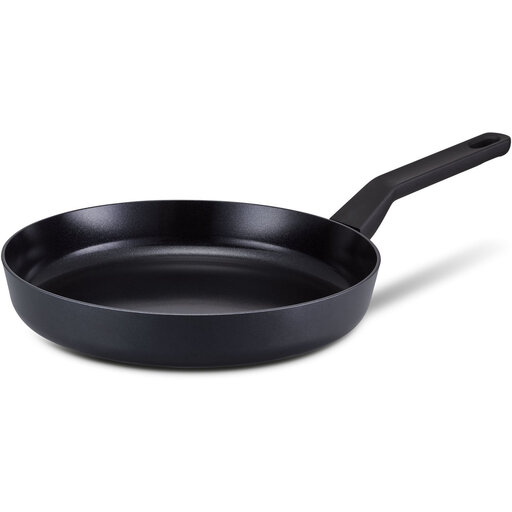
Why this fits the profile: The size is suitable for daily cooking for one or two people. According to the product specification, the pan works on induction, gas, electric, ceramic and halogen hobs.
The product information states a ceramic coating without PFAS and clear induction compatibility. Hand washing is recommended to protect the coating.
20 and 24 cm variants available; 100% recycled aluminium; dishwasher safe according to the product description.
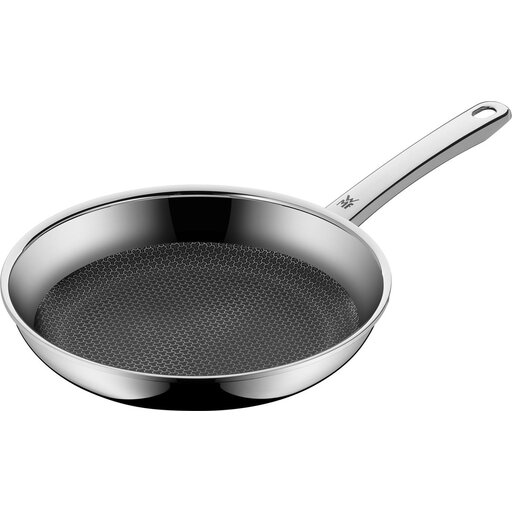
Why this fits the profile: According to the product specification, this pan combines an aluminium core with stainless steel and a honeycomb structure with a PermaDur non-stick coating. That suits anyone who values high temperatures and a sturdy frying pan.
The specifications state a maximum heat resistance of 260 °C and suitability for induction. The pan is not dishwasher safe; hand washing prevents an incorrect maintenance choice.
28 cm cooking surface; suitable for all heat sources, including induction; five-year warranty according to the product information.
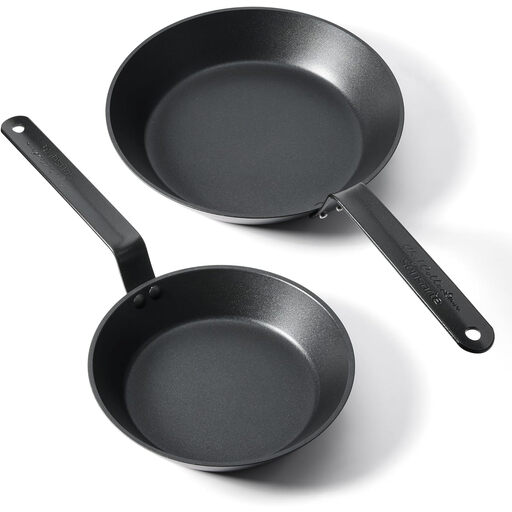
Why this fits the profile: The set includes pans of 20 and 25 cm, suitable for different portion sizes. According to the product description, they can be used on induction, gas and electric hobs and are oven safe up to 232 °C.
The two sizes reduce the chance of choosing a pan that's too small or too large. The manufacturer states a PFOA- and PFOS-free coating; use soft tools to prevent scratches.
Two sizes; oven safe up to 450 °F according to the product specification; dishwasher safe, although hand washing is recommended.
We've put together a full, up-to-date list of products that fully meet these strict selection criteria and current European safety regulations.
Choose a pan that explicitly states it is induction compatible. A magnetic, suitable base is essential. The Brabantia Onyx, WMF Profi Resist and the SENSARTE models mentioned are suitable for induction according to their product information. The Tefal Easy Cook & Clean 32 cm is not.
That depends on use, temperature and care. Don't use metal utensils when the manufacturer advises against it, don't heat the pan empty for long periods, and avoid large temperature fluctuations. Replace the pan when the coating peels, shows deep scratches, or food clearly starts to stick.
A stainless steel pan requires more attention to temperature and fat than a pan with a non-stick coating. First let the pan come up to temperature, then add oil and use suitable utensils. Burnt-on residue can be soaked with warm water and a mild detergent. Always check whether the chosen model is dishwasher safe; the WMF Profi Resist models in this overview are intended for hand washing.
