
Vandaag of morgen in huis

Kwaliteit gegarandeerd

Welkomstaanbiedingen ontgrendelen: GRATIS bezorging | Tot 80% korting | Gratis 30 dagen JoyPlus-proefperiode
Download de app
A frying pan may seem like a simple product, but small differences can have a big impact on how much you enjoy using it. A pan may be light and inexpensive, but warp quickly. A non-stick coating can be convenient, yet poor care can shorten its lifespan. And a pan labelled “suitable for all hobs” will only work properly on induction if its base is designed for it.
As a Joybuy Product Recommendation Officer, I filter product information for practical details. Below, you’ll find the features to check before buying a non-stick frying pan, ceramic frying pan or spacious pan for family meals.
“Non-stick” describes ease of use, but it does not automatically tell you about the coating’s composition or durability. So check:
When choosing a PFAS-free frying pan, look for clear product specifications. According to the product information, Brabantia states that the Onyx pan has a ceramic coating that is 100% PFAS-free. USELUCK also lists PFAS-free properties for several Ti-Ceramic models. These are product claims made by the respective brands, so always check the current product page and packaging.
A frying pan for all hobs should be suitable for gas, electric, ceramic and induction hobs. Induction requires a magnetic base, often in the form of a stainless-steel induction disc or a composite base.
Also pay attention to the cooking surface diameter. A 28 cm pan may have a larger overall outside diameter than the cooking zone. As a result, heat will not always be distributed evenly. So, in addition to the diameter, check the dimensions of the base whenever that information is available.
A 28 cm frying pan provides room for several portions, but takes up more space in the dishwasher and kitchen cupboard. For many households, a 24 cm frying pan is a versatile size for eggs, vegetables, meat or pancakes. For one person or a small breakfast, 20 cm may be more convenient.
A deep pan is useful for stir-frying, stewing and making sauces, while a shallow pan can be easier to use for turning and frying. So consider your usual portion sizes, not just the largest size available.
An aluminium frying pan is usually lightweight and heats up quickly. This is useful for everyday cooking, but the quality of the base and coating remains important. Cast aluminium is formed more thickly and is often chosen for a sturdier construction. A stainless-steel induction disc makes aluminium pans suitable for induction hobs.
Pay attention to the weight. A lightweight pan is convenient when draining, but a very thin base may be more prone to warping. A heavier model may sit more steadily, but is less easy to handle with one hand.
Ceramic coatings are often offered as an alternative to traditional non-stick coatings. Ideally, use wooden or silicone utensils and allow a hot pan to cool before washing it. Even if a pan is dishwasher-safe, washing it by hand with a soft sponge can help keep the coating in good condition for longer.
Claims such as “healthy cooking” or “less oil needed” should be interpreted practically: a smooth coating can help food release more easily, meaning you may use less fat. This is not a medical or health claim.
A frying pan with a lid is suitable for simmering, stewing and dishes where moisture needs to be retained. A glass lid allows you to monitor the cooking process, but check whether it can withstand sudden changes in temperature.
A deep frying pan is more practical for larger quantities and helps reduce splashing. Also always check whether the pan is oven-safe. Some models are suitable for use on the hob only. For example, the USELUCK 10.5 inch ceramic pan is listed as not being oven- or dishwasher-safe. According to the product information, the Redchef Gemstone models are oven-safe up to 450 °C; do not exceed the stated limit.
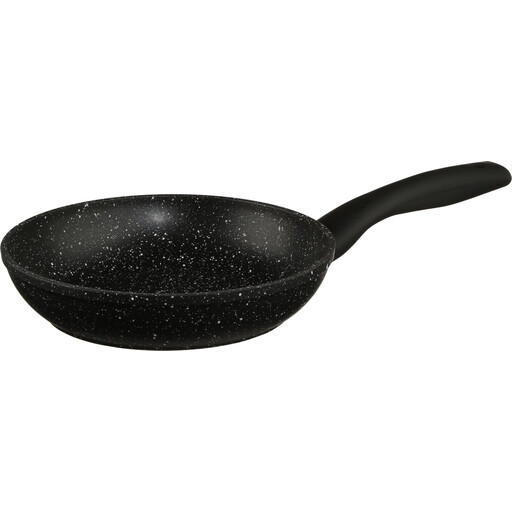
Why it suits this profile: The 20 cm size and 490-gram weight are ideal for small portions, a first home kitchen or everyday breakfasts.
The product specification lists gas, induction, ceramic and electric cooking. The coating has two non-stick layers; hand washing is recommended to help protect them.
Aluminium body, 1.9-litre usable capacity and a statutory warranty of at least two years.
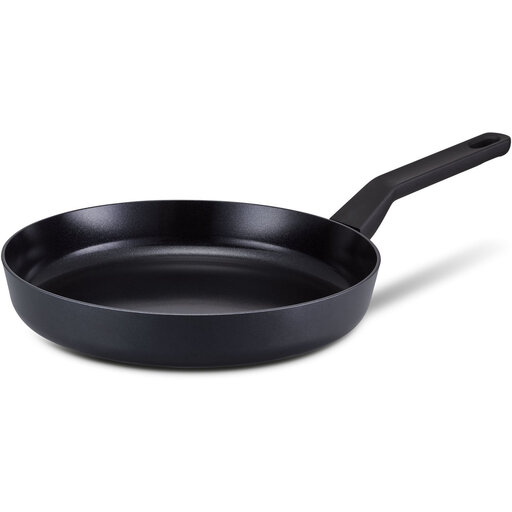
Why it suits this profile: This is a versatile medium size for everyday cooking in a Dutch kitchen, with particular attention to the coating and hob compatibility.
According to the product information, the ceramic coating is PFAS-free and the pan is suitable for induction, gas, electric, ceramic and halogen cooking.
24 cm diameter, recycled aluminium, ceramic coating and dishwasher-safe design; hand washing is recommended.
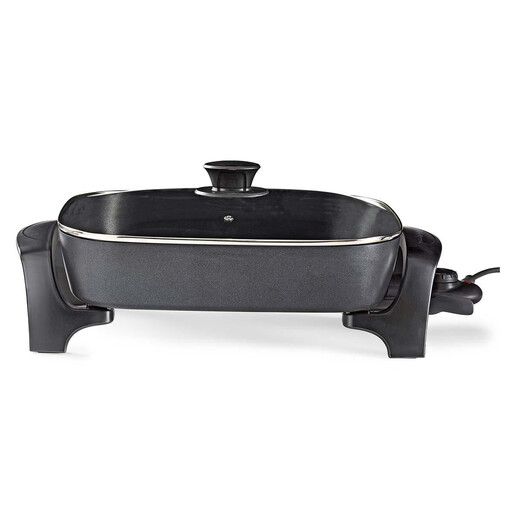
Why it suits this profile: This electric model is designed for large quantities, batch cooking and situations where you don’t want to rely solely on a hob.
The temperature can be adjusted using a thermostat. The manual also provides separate cleaning instructions for the plug and temperature controller.
40 cm size, 7-litre capacity, glass lid, cool-touch handles and 2200-watt power.
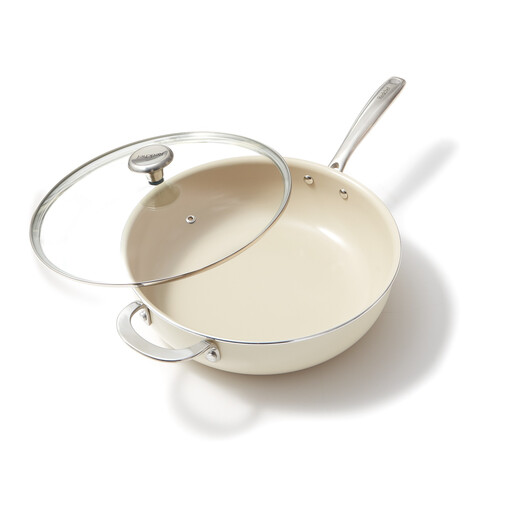
Why it suits this profile: The deep design, 5-quart capacity and glass lid are practical for stews, sauces and larger family portions.
The product information lists an induction base, suitability for gas and electric cooking, plus a ceramic coating. According to the specification, both the pan and lid are dishwasher-safe.
Deep 28 cm pan, glass lid, stainless-steel handles and, according to the brand listing, oven-safe up to 450 °C.
We’ve put together a complete, up-to-date list of products that fully meet these strict selection criteria and the applicable European safety regulations.
For one person or small portions, 20 cm is often sufficient. A 24 cm frying pan is versatile for everyday use. Choose 28 cm or larger when cooking for several people. Take into account the size of your cooking zone and the storage space available.
It can if the product information lists all three heat sources and the base is suitable for induction. A stainless-steel induction disc or composite base is an important point to check. Also check whether electric and halogen hobs are listed if you use them.
Do not heat an empty pan at a high temperature for an extended period. Use wooden or silicone utensils, allow the pan to cool before washing it and avoid abrasive sponges. Even with a dishwasher-safe pan, hand washing can help preserve the coating for longer. If you notice visible flaking or damage, replacing the pan is the sensible choice.
