
Vandaag of morgen in huis

Kwaliteit gegarandeerd

Welkomstaanbiedingen ontgrendelen: GRATIS bezorging | Tot 80% korting | Gratis 30 dagen JoyPlus-proefperiode
Download de app
A frying pan might seem like a simple product, but the differences between models are significant. A pan that works on gas won't automatically work on induction. A non-stick coating can be great for eggs, but less suitable for very high temperatures. And a large frying pan doesn't always fit well on a small hob.
For British households, there are three main pitfalls to watch out for when buying:
An aluminium frying pan generally heats up quickly and is often lightweight. That's practical for everyday frying, but check whether the base is suitable for your hob. A magnetic base is needed for induction.
A stainless steel frying pan is sturdy and can withstand high temperatures. With a model that has no non-stick coating, cooking technique matters more: heat the pan gradually, add oil and use a medium heat for most tasks. The PURECOOK Tri-Ply 304 Stainless Steel Large Frying Pan has, according to the product description, a three-layer construction of 304 stainless steel, aluminium and stainless steel. The 28 cm pan is, according to the stated specifications, suitable for gas, induction, electric, ceramic, halogen and oven use up to 220 °F, which is approximately 104 °C. Always check the temperature information on the product page before purchasing.
A non-stick frying pan is handy for delicate ingredients like eggs, fish or pancakes. Use wooden, silicone or plastic utensils when the manufacturer recommends them. Avoid heating an empty pan on a high heat, and let a hot pan cool down before washing it.
With a PFAS-free frying pan, you need to pay attention to the exact wording. In the product description for the Brabantia Dusk set, it states that the ceramic coating is 100% PFAS-free. The set includes pans of 20 and 24 cm, is suitable for induction and oven use up to 200 °C according to the description, and can go in the dishwasher. Hand washing is recommended to extend the life of the coating. These are product specifications; they do not constitute medical or health claims.
Some brands also state that their coating is free from substances such as PFOA, PFOS, APEO, lead or cadmium. Treat this information as a brand or product claim and check the full specification, especially if you are deliberately looking for a PFAS-free or ceramic frying pan.
For one person or small portions, 20 to 24 cm is usually practical. A 28 cm frying pan offers more space for a family, but also requires a suitably sized hob. A deeper pan is better for larger quantities, sauces and one-pot meals.
A saucepan with a lid is an alternative if you want to braise as well as fry. Pay attention to the capacity, the diameter of the base and the material of the handle. A glass lid is handy for keeping an eye on your food without opening the pan.
A dishwasher-safe pan is convenient to use, but not every coating benefits from daily machine washing. Also check whether a pan is oven-safe and up to what temperature. "Oven-safe" without a temperature limit is not enough information.
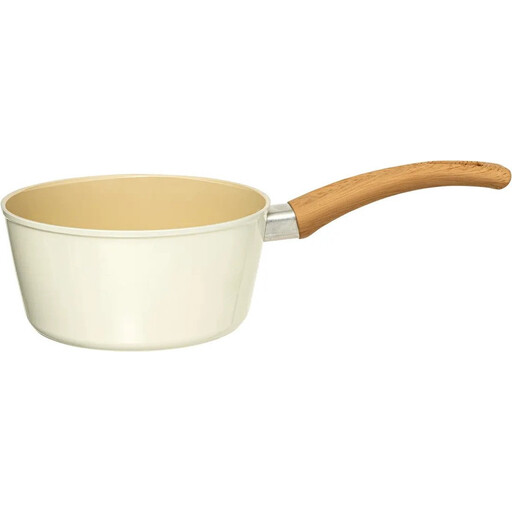
Why this fits the profile: This compact 16 cm pan is ideal for small portions, sauces and everyday use in a smaller kitchen. The product description states compatibility with gas, induction, ceramic and electric hobs.
The four listed heat sources make the choice straightforward. The product information also states that the pan is dishwasher-safe, with hand washing recommended.
16 cm diameter, 1.7 litre capacity, aluminium pan body and a soft-touch handle.

Why this fits the profile: A 28 cm stainless steel frying pan with no stated non-stick coating suits those who value high durability, a generous cooking surface and versatility.
The three-layer construction and stated compatibility with multiple hobs make the material and heat source clearly verifiable.
304 stainless steel with aluminium core, glass lid and, according to the product description, dishwasher-safe.
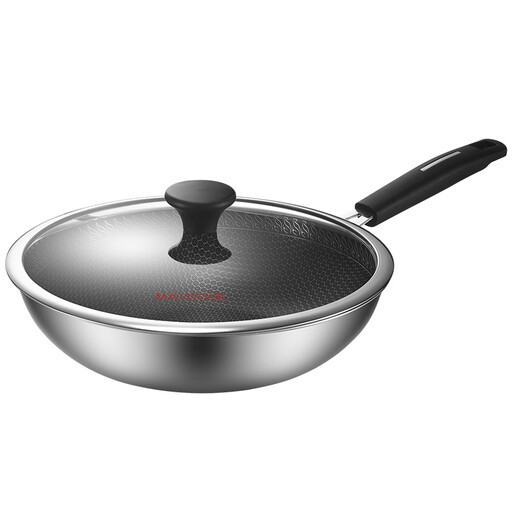
Why this fits the profile: The 30 cm wok is designed for stir-frying, braising, boiling and other cooking methods for multiple people.
The description states the compatible hobs, a glass lid and hand washing as the maintenance advice. This makes the main usage limitations clear.
30 cm size, three-layer stainless steel construction, ceramic inner layer and transparent glass lid.
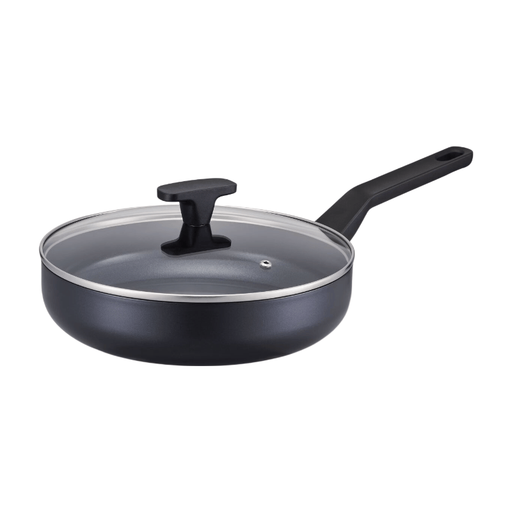
Why this fits the profile: The higher sides and lid are practical for sauces, stews and vegetables for the whole family.
The product description explicitly states a PFAS-free ceramic double non-stick coating, compatibility with induction and a maximum fill of 80%.
26 cm diameter, glass lid, recycled aluminium and, according to the product information, dishwasher-safe.
We've put together a full, up-to-date list of products that fully meet these strict selection criteria and current European safety regulations.
Choose a pan where the manufacturer explicitly states induction compatibility. A magnetic, flat base is important for good heat transfer. Also check whether the diameter of the base fits your induction zone. A pan may be technically suitable for induction, but can heat less evenly on a zone that is too small or too large.
That depends on the material, usage and maintenance. A stainless steel frying pan without a coating can last a long time if you avoid overheating and warping. With a ceramic or other non-stick coating, the lifespan is mainly reduced by scratches, high temperatures, metal utensils and abrasive cleaning. Replace a pan when the coating is visibly peeling or the handle is no longer securely attached.
A frying pan set can be good value if you need multiple sizes. Do check which diameters, lids and handles are actually included. A set with 20, 24 and 28 cm offers more flexibility than three almost identical pans. For a small kitchen, one pan of the right size is sometimes more practical than an extensive set.
