
Vandaag of morgen in huis

Kwaliteit gegarandeerd

Welkomstaanbiedingen ontgrendelen: GRATIS bezorging | Tot 80% korting | Gratis 30 dagen JoyPlus-proefperiode
Download de app
Choosing a new frying pan might seem straightforward, but the material, base and care requirements all affect how well it performs day to day. For example, a pan that works well on gas won’t necessarily perform just as well on induction. A non-stick pan may also be less suitable for very high temperatures or metal utensils.
For households in the Netherlands, these three common pitfalls are particularly worth bearing in mind:
An aluminium non-stick frying pan usually heats up quickly and is practical for eggs, pancakes and delicate ingredients. It’s generally best to use low to medium heat and wooden or silicone utensils, unless the product information says otherwise.
A stainless steel frying pan is well suited to browning and searing. A multi-layer base, such as one with layers of aluminium, can distribute heat more evenly than a single layer of steel. With stainless steel, you’ll need to use the right temperature and enough fat to help prevent food from sticking.
A cast iron frying pan retains heat for a long time, making it a good choice for meat, vegetables and dishes that need to brown evenly. The trade-off is that cast iron is heavier and heats up slowly. Enamelled cast iron doesn’t need traditional seasoning, but the enamel coating should be treated with care.
For a frying pan suitable for all hobs, the base must be magnetic for induction and flat enough to sit flush with the cooking zone. Check the diameter of the base, not just the outside edge. For example, a 28 cm pan may have a smaller usable base.
After use, don’t put an induction frying pan straight onto a cold or delicate surface. Let it cool down first. On gas, make sure the flames don’t lick up the sides of the pan, as this can put unnecessary strain on the handles and coatings.
A frying pan with a lid is more versatile for simmering, reducing sauces and keeping food warm. Check whether the lid is made of glass and whether the pan is oven-safe. Sometimes “oven-safe” only applies when the handle or lid is removed. Likewise, “dishwasher-safe pan” doesn’t always mean that every part, such as a silicone handle, can go in the dishwasher.
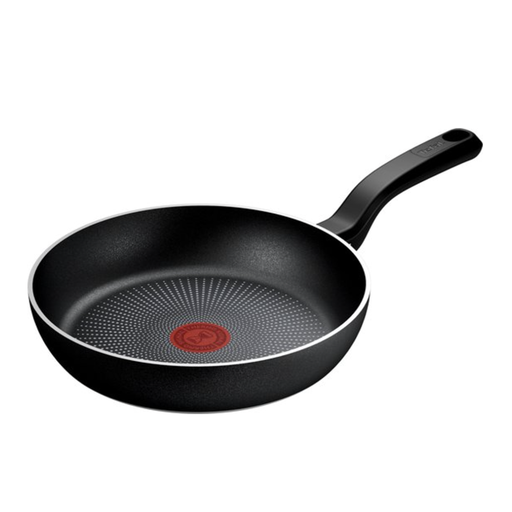
Why it suits this profile: The 24 cm diameter is a manageable size for smaller households and everyday meals. According to the product information, this aluminium pan is suitable for induction, gas, electric, glass-ceramic and ceramic hobs.
The product information lists hob compatibility, oven suitability and dishwasher suitability separately. That means you don’t have to rely on a vague marketing claim.
24 cm diameter, aluminium construction, Titanium 2X non-stick coating according to the product description, and a Thermo-Signal indicator.
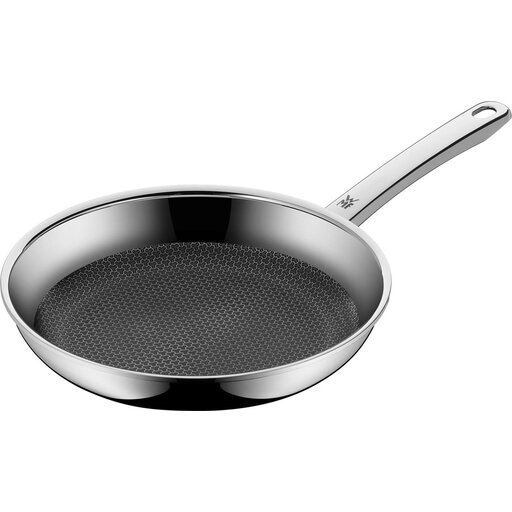
Why it suits this profile: According to the product information, this pan combines Cromargan stainless steel, an aluminium core and a honeycomb structure with a non-stick coating. It’s a good fit if you want the flexibility to brown food as well as cook with more control.
The specifications state a maximum temperature of 260 °C, induction compatibility and hand-wash care. So it’s clear that dishwasher convenience isn’t the main selling point.
24 cm size, suitable for all heat sources according to the product information, and a stated 5-year guarantee.
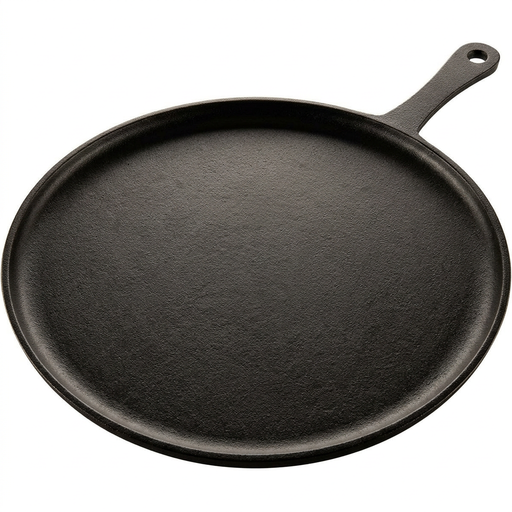
Why it suits this profile: This enamelled cast iron pan is designed for pancakes and crêpes. Its 27 cm diameter provides a generous cooking surface if you make them regularly.
The manufacturer explicitly lists it as suitable for gas, ceramic, electric and halogen hobs. Induction isn’t included in these specifications, so don’t choose this pan for an induction hob unless you’ve checked its compatibility separately.
Enamelled cast iron, 27 cm diameter and an included batter spreader. The handle may become hot during use.
We’ve put together a complete, up-to-date list of products that meet these strict selection criteria and comply with current European safety regulations.
How long a frying pan lasts depends on its material and how you use it. Don’t run cold water over a hot pan, and always check the care instructions. Metal spatulas and scouring pads can often damage a non-stick frying pan. A stainless steel frying pan can take more wear, but harsh cleaning products may still damage its surface.
For a cookware set or saucepan set with a removable handle, check:
For one or two people, 20 to 24 cm is often enough. For a family, 26 or 28 cm is practical, provided the cooking zone is large enough. A set with several diameters can offer better value if you cook both small and large portions.
It can be, but always check the product information. The pan needs a flat, magnetic base. Not every aluminium pan is suitable for induction; it may need a separate induction base or a multi-layer construction.
It depends on the material and how you use it. A non-stick coating can wear out faster if exposed to high temperatures, metal utensils or abrasive cleaning. Cast iron and stainless steel can last a long time when used and cared for correctly. As well as checking the guarantee, pay close attention to the care instructions and your everyday cooking habits.
