
Vandaag of morgen in huis

Kwaliteit gegarandeerd

Welkomstaanbiedingen ontgrendelen: GRATIS bezorging | Tot 80% korting | Gratis 30 dagen JoyPlus-proefperiode
Download de app
A frying pan may seem straightforward, but the differences between models can be significant. A lightweight non-stick pan is ideal for eggs and pancakes, while a stainless-steel frying pan is better suited to high temperatures and searing. If you cook on induction, you need to consider not only the diameter but also the base.
The most common disappointing purchases result from three marketing traps:
A stainless-steel frying pan can withstand intensive use and is often suitable for metal utensils. With a multi-layer construction featuring an aluminium core, heat can be distributed more quickly and evenly. Stainless steel is not naturally non-stick, however: preheating, sufficient fat and the correct temperature are essential for cooking without food sticking.
A non-stick frying pan is practical for delicate ingredients and low-oil cooking. When recommended by the manufacturer, use wooden or silicone utensils. Avoid heating an empty pan at high temperatures, as this can put unnecessary strain on the coating.
With a ceramic frying pan, read the product information carefully. “Ceramic” may refer to a ceramic coating rather than a pan made entirely from ceramic. The USELUCK pan’s product page specifies a Ti-Ceramic coating and a PFAS-free designation. This is a product specification provided by the seller; always check the current information and any supporting documentation before purchasing.
A cast-iron frying pan retains heat for a long time and is excellent for searing. The trade-off is a higher weight. Enameled cast iron does not require traditional seasoning, but an enameled interior can still be damaged by harsh abrasive cleaners.
For one person or small portions, 20 cm may be sufficient. A model measuring 23 to 25 cm is suitable for breakfast, fish or a meal for one or two people. For families, a 28 cm frying pan is a popular choice. If you frequently stir-fry or reduce sauces, a deeper pan or a sauté pan may be the better option.
Do not look only at the diameter at the upper rim. The actual cooking surface may be smaller because of sloped sides. A deep pan with a lid is more convenient for simmering and stews, while a shallow frying pan is easier to manoeuvre when making pancakes.
A frying pan for all hobs should explicitly state compatibility with gas, induction, electric and ceramic hobs if you want maximum flexibility. Also check whether the pan is oven-safe and the maximum temperature it can withstand. The PURECOOK Tri-Ply 28 cm is described as compatible with gas, induction, electric ceramic, halogen and oven use up to 220°C. Always check the current instructions before use, particularly for the lid and handle.
A dishwasher-safe label does not mean hand washing is unnecessary. With some coatings, gentle hand washing can help extend the pan’s useful life. Also check whether the pan requires assembly first; according to the description, the handles on the SENSARTE grill pans still need to be attached.
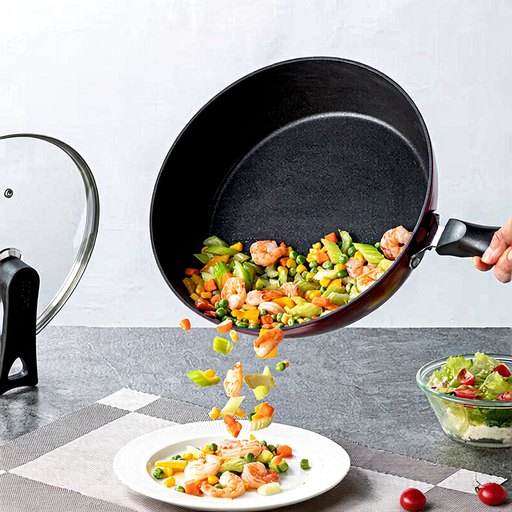
Why This Fits Their Persona: The 28 cm size is well suited to everyday meals for students, first-time renters and small families. According to the product information, this pan works on gas, electric, ceramic and induction hobs.
The compatibility and care instructions are clearly specified. Hand washing, avoiding metal utensils and using moderate heat are still recommended.
28 cm diameter; non-stick coating; suitable for multiple hob types.

Why This Fits Their Persona: Designed for anyone who sears, fries and reduces sauces and wants a pan with a lid. The product page specifies a three-layer 304 stainless-steel–aluminium–stainless-steel construction.
The construction, hob compatibility and oven limit are clearly stated rather than being reduced to vague claims about heat performance.
28 cm; glass lid included; described as dishwasher-safe and suitable for all listed hob types.
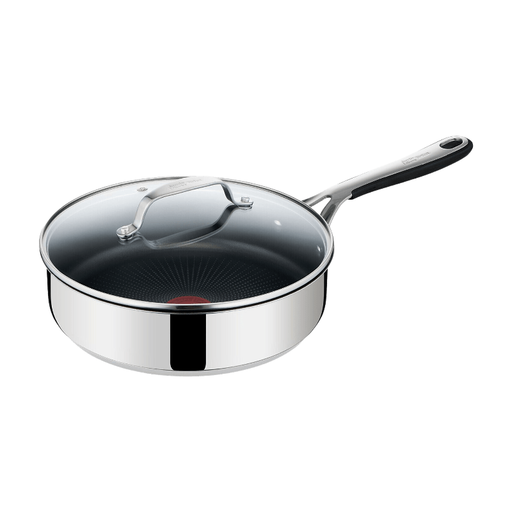
Why This Fits Their Persona: The 3.2-litre capacity and lid are practical for one-pan meals, simmering and braising for several people.
The manufacturer’s description specifies a maximum fill level and warns that the handle may become hot. This helps set realistic expectations regarding safety and capacity.
25 cm; 3.2-litre capacity; described as oven- and dishwasher-safe according to the product information.
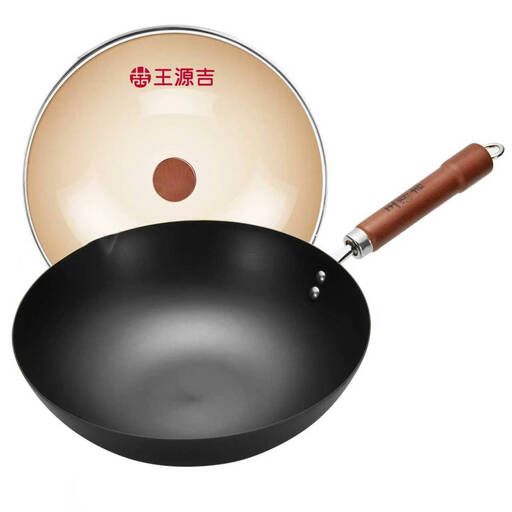
Why This Fits Their Persona: A flat-bottomed wok works on gas, induction, electric and ceramic hobs. According to the product information, its capacity is suitable for approximately one to three portions.
According to the product description, this pan has no chemical coating, but it does require seasoning, hand washing and drying after use. Those details matter more than a vague “healthy” label.
Flat base; 30 cm size; glass lid included; suitable for induction.
Explore a current selection of versatile sauté pans and compare size, material, lid and hob compatibility.
A frying pan usually has a relatively low rim and is suitable for frying and searing. A wok pan is deeper and offers more room for stir-frying, but on an electric or induction hob it performs best with a stable flat base. A grill pan has ridges for seared grill marks but is less suitable for sauces and small ingredients.
For stews, risotto and braising, a sauté pan with a lid is often more practical. If you mainly sear meat or vegetables, a cast-iron frying pan may be the better choice. The right option therefore depends on the dishes you cook most often, not just the material listed on the packaging.
Choose a model that explicitly lists induction compatibility in its product specifications. A magnetic, flat base is important for good contact with the cooking zone. Also check whether the base diameter matches the induction zone.
That depends on how it is used, the temperature and the care it receives. Overheating, metal utensils and abrasive sponges can damage a coating more quickly. A stainless-steel or cast-iron pan may last longer, but it requires a different cooking technique and more care during cleaning.
No. A PFAS-free pan may suit your preferences, but you should also check its size, heat-source compatibility, oven suitability, care requirements and warranty. When evaluating claims made by brands or sellers, read the current product information and treat “PFAS-free” as a product specification, not as a general guarantee of a particular cooking experience.
