
Vandaag of morgen in huis

Kwaliteit gegarandeerd

Welkomstaanbiedingen ontgrendelen: GRATIS bezorging | Tot 80% korting | Gratis 30 dagen JoyPlus-proefperiode
Download de app
A frying pan may seem like a simple kitchen product, but the differences between models can be significant. A pan may be suitable for gas but not induction. A coating can make cleaning easy, but often requires careful use. And a lid that seems useful can make the pan heavier and more difficult to store.
For Dutch households, these three pitfalls are particularly important:
A stainless steel frying pan can withstand frequent use and usually has no delicate non-stick coating. With a multi-layer pan, an aluminium core between layers of steel can provide faster heat distribution. According to the product description, the PURECOOK Tri-Ply 28 cm consists of a 304 stainless steel layer, an aluminium core and a second stainless steel layer.
Stainless steel does require a different cooking technique. Heat the pan gently first, then add oil and only place the ingredients in the pan afterwards. In an uncoated pan, food may initially stick more quickly than in a non-stick frying pan.
Aluminium generally heats up quickly and is relatively lightweight. For induction cooking, always check that a suitable induction base is present. A frying pan for all hobs must explicitly support gas, induction, electric and ceramic cooking; do not rely solely on the term “universal”.
With a non-stick frying pan, the type of coating and the care instructions are important. A ceramic coating can be an alternative to traditional coatings. According to the product description, the Brabantia Onyx models are offered with a PFAS-free ceramic coating and recycled aluminium.
Pay attention to the difference between PFOA-free and PFAS-free. These descriptions do not automatically mean the same thing. Check the full product specifications and the manufacturer’s information. A claim about how a coating performs should be understood as a product claim made by the brand, not as a guarantee for every cooking method or length of service.
For coated pans, preferably use wooden, plastic or silicone utensils. Even when a manufacturer describes a layer as scratch-resistant, sharp edges can damage the coating.
A 28 cm frying pan is a practical medium size for many households. The diameter usually refers to the top rim, so the effective cooking surface may be smaller. Therefore, also check the base diameter, particularly for induction cooking. A pan that is too large for a small cooking zone may heat unevenly.
A frying pan with a lid is useful when you want meat, vegetables or sauce to continue cooking after browning. For stews, a sauté pan with higher sides is often more practical than a shallow frying pan. A wok has a larger capacity and is suitable for stir-frying, but its round or deep shape may heat less evenly on some hobs.
Also consider cleaning:
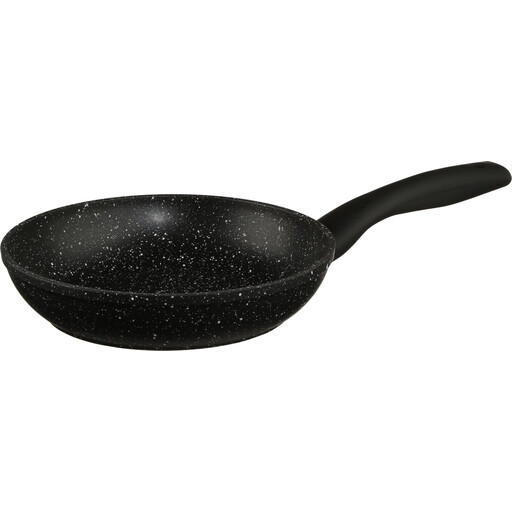
Why it suits this profile: The compact 20 cm pan is suitable for small portions, eggs and side dishes. According to the product specifications, it works on gas, induction, ceramic and electric hobs.
Hob compatibility is clearly stated. The pan is not large enough for family meals, but it avoids unnecessary weight and storage space for smaller preparations.
Aluminium body, two non-stick layers, 1.9-litre usable capacity and dishwasher-safe according to the product information.
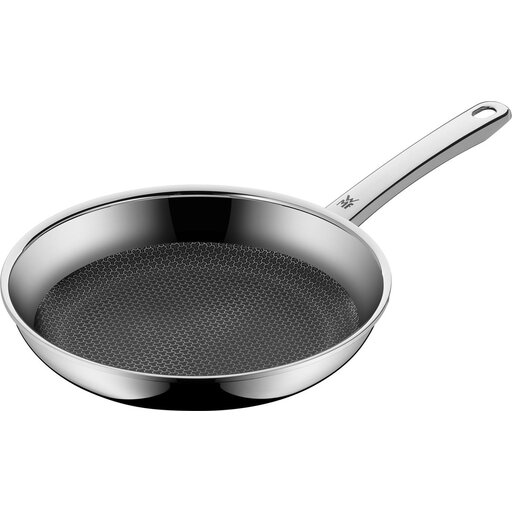
Why it suits this profile: The 28 cm version provides room for larger portions. According to the product description, its three-layer construction consists of aluminium and Cromargan 18/10 stainless steel.
The pan is suitable for induction and other heat sources. Please note: hand washing is recommended and the pan is not dishwasher-safe.
PermaDur non-stick coating, honeycomb structure, heat resistance up to 260 °C and a five-year guarantee according to the product information.
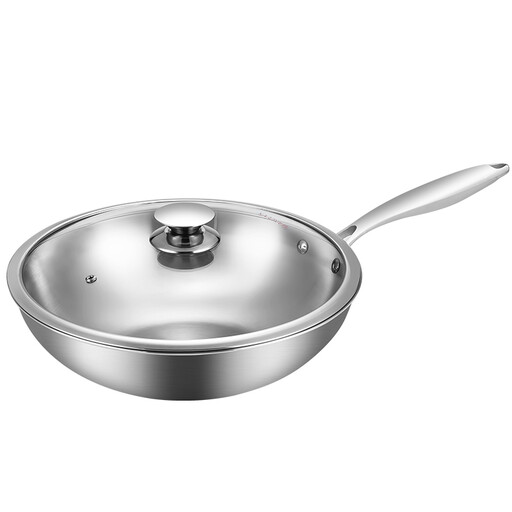
Why it suits this profile: This stainless steel wok is designed for stir-frying, browning and everyday cooking on gas, induction, electric and ceramic hobs.
No chemical non-stick coating is listed. This means you avoid coating wear, but you must use the recommended hot-pan-cold-oil method to help prevent food from sticking.
304 stainless steel, Tri-Ply construction, glass lid and dishwasher-safe according to the product description.
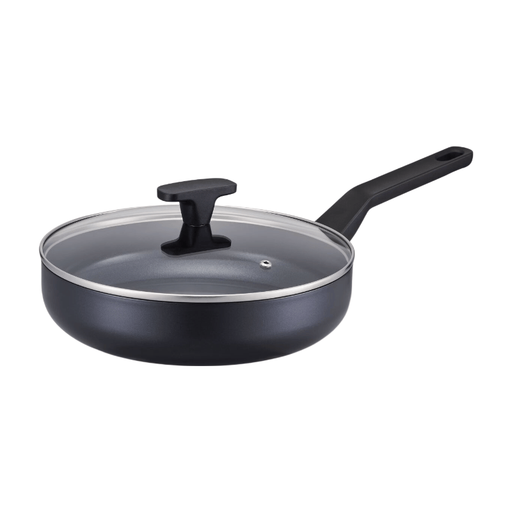
Why it suits this profile: The taller shape and lid are practical for sauces, vegetables and stews for several people.
The product specifications mention a PFAS-free ceramic coating, induction compatibility and a glass lid. Hand washing is still recommended to help protect the coating for longer.
100% recycled aluminium, 26 cm diameter, double ceramic non-stick coating and suitable for all the heat sources mentioned.
We have put together a complete, up-to-date list of products that fully meet these strict selection criteria and the applicable European safety regulations.
The lifespan depends on more than just the material. Use the pan according to the manufacturer’s instructions and keep the following points in mind:
For two to four people, 26 to 28 cm is often practical. A 20 cm pan is better suited to single portions or small side dishes. If you often prepare sauces or stews, a 26 cm sauté pan with a lid may be a better choice.
It can be, but not every stainless steel pan will automatically work on induction. Check that the manufacturer explicitly mentions induction compatibility and look at the base diameter. With multi-layer models, the magnetic base must make good contact with the cooking zone.
This varies depending on the coating, frequency of use and care. Overheating, metal utensils and harsh cleaning products can accelerate wear. A pan without a coating, such as some stainless steel models, may last longer if the base and handle remain intact, but it requires more care while cooking.
