
Vandaag of morgen in huis

Kwaliteit gegarandeerd

Welkomstaanbiedingen ontgrendelen: GRATIS bezorging | Tot 80% korting | Gratis 30 dagen JoyPlus-proefperiode
Download de app
Fruity biscuits come in many forms: from fruit biscuits with raisins to filled biscuits with strawberry, blueberry or cherry. However, a picture of fresh fruit on the packaging doesn’t automatically tell you how much fruit is actually in the product. When shopping online, it pays to look beyond just the flavour name.
In this guide from the Joybuy Product Recommendation Officer, you’ll discover what to look for in fruit biscuits, Japanese biscuits and other Asian snacks. That way, you can make a more informed choice for enjoying with coffee, on the go, or for sharing.
A product might be called strawberry biscuits or blueberry biscuits, yet the fruit flavour could come mainly from flavouring, powder or a small amount of fruit preparation. Always check the ingredients list. If fruit powder or fruit purée appears near the end of the list, the quantity is probably limited. That’s not necessarily a problem, but it’s important information for your decision.
A 200g or 400g bag might seem appealing for sharing, but it can be opened sooner than you expect. So look at:
For a bag or lunchbox, smaller packs are often more practical. A larger box is better suited to a family, guests, or a snack moment with coffee and tea.
Terms like “with fruit”, “source of fibre” or “natural flavour” don’t tell the whole story. Always check the ingredients, nutritional information and allergens. Product information on a webshop can also differ from the packaging. The physical packaging is therefore the deciding factor, especially for allergies, intolerances and changed recipes.
Compare fruity biscuits based on the ingredients list. For example, Sultana Fruit Biscuit Natural contains 35% dried grapes, consisting of raisins and currants. That’s what sets this type of fruit biscuit apart from biscuits that only mention strawberry or blueberry flavour.
With filled biscuits, the filling can consist of sugar, vegetable oil, fruit powder, flavouring and colourings. So don’t just look at the front; also check the composition of the biscuit and the filling.
Many fruit biscuits contain wheat and gluten. Other common allergens include milk, egg and soya. Examples:
Always check the current packaging before consuming a product. A mention like “vegetarian” doesn’t automatically mean the product is free from milk or egg.
The nutrition table makes it easier to compare different products. Pay particular attention to:
Fruity biscuits are still sweet biscuits. A product with fruit, grains or fibre isn’t automatically a substitute for fresh fruit. So treat nutritional claims as product information, not health advice.
For biscuits on the go, a resealable bag or individually wrapped portions are handy. Fruit-flavoured wafers can be more fragile than sturdy biscuits. Sandwich biscuits with a soft filling also need dry, cool storage.
Also consider the origin. Japanese biscuits and Asian snacks can have different flavour combinations and packaging sizes than Dutch biscuits. Read the Dutch product information and check the best-before date on the packaging.
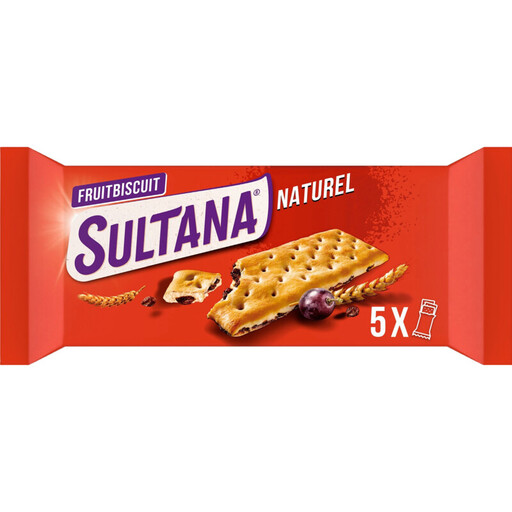
Why this fits the profile: A familiar choice with portions of three biscuits, ideal for a snack at home, at work or on the go.
The product information states 35% dried grapes and provides nutritional values per 100 grams. This helps you better assess the fruit content and portion size.
218 grams, packed in portions of three biscuits; the packaging also states it’s a source of fibre. Contains wheat and milk.
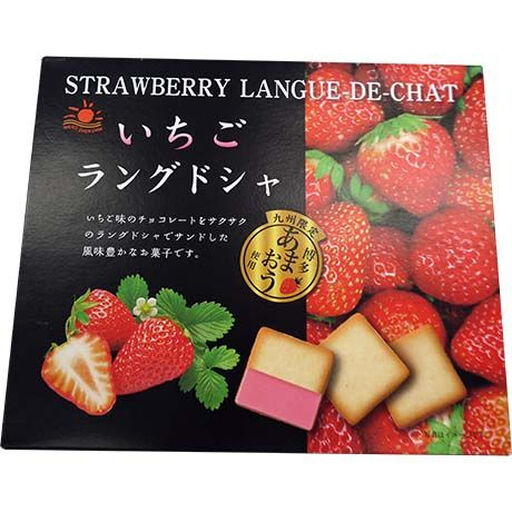
Why this fits the profile: For those looking for a Japanese product with a clear strawberry flavour and a smaller size to enjoy with tea or coffee.
The product description calls it a strawberry-flavour shortbread and lists wheat, egg and possible traces of milk, soya and nuts.
Japanese origin, 90 grams and a clear ingredients list. According to the product information, suitable for vegetarians.

Why this fits the profile: For fans of a crunchy biscuit with a sweet-and-sour blueberry filling, perfect for sharing or taking with you.
The product information specifies 125 grams, blueberry powder and a filling. The allergens wheat, milk and soya are also listed.
Crunchy sandwich crackers, a portable size and a pronounced blueberry flavour. Origin: China.
We’ve put together a full, up-to-date list of products that fully meet these strict selection criteria and comply with current European safety regulations.
Small packs and individually wrapped portions are practical for work, school, travel or a day out. Examples include NIKKO Strawberry Cookies at 90 grams, Master Kong at 125 grams and smaller biscuit sticks. Store opened biscuits in a sealed, dry container.
No. Fruit biscuits are typically sweet biscuits that contain dried fruit, fruit powder, purée or flavouring. Check the ingredients list and nutritional information to see the difference between products. Enjoy them as a snack, not as a direct replacement for a portion of fresh fruit.
Store fruit biscuits in a cool, dry place, away from direct sunlight and away from heat and moisture. Seal the packaging well after opening. For wafers and filled biscuits, this helps to better preserve the texture. Always check the best-before information on the packaging.
