
Vandaag of morgen in huis

Kwaliteit gegarandeerd

Welkomstaanbiedingen ontgrendelen: GRATIS bezorging | Tot 80% korting | Gratis 30 dagen JoyPlus-proefperiode
Download de app
A sweet alcoholic drink might seem simple to choose at first glance. Yet fruit wine, cider, fruit beer, sangria and premix cocktails vary widely in alcohol content, sweetness, serving size and how they should be served. A striking label or tropical flavour name doesn't always tell you how much fruit, sugar or alcohol is actually inside.
With this practical guide, you can focus on the information that really matters. That way, you can avoid discovering that a fruity alcoholic drink is too strong, too sweet or unsuitable for your occasion. The recommendations below are based on verifiable product details such as volume, alcohol percentage, ingredients and serving advice.
Raspberry, mango or passion fruit on the label can refer to fruit juice, concentrate, flavouring or a combination of these. For example, Apple Bandit Raspberry states 0.4% raspberry juice and 0.4% strawberry juice. The drink therefore has a fruity flavour profile, but it isn't made entirely from fruit juice.
Always check the ingredients list. There you'll see whether fruit has been added as juice, concentrate, extract or flavouring.
A drink with a fresh taste can still have a relatively high alcohol percentage. For instance, a rosé port or plum wine contains significantly more alcohol than a cider or ready-to-drink beverage. According to the product information, Offley Rosé Port has 19.5% alcohol, while Amstel Radler Fruity Cider contains 2.0%.
Compare the alcohol percentage per product, not just the flavour description. This is especially important when you're serving different types of drinks together at a party or barbecue.
A 250 ml or 275 ml bottle is suitable as an individual serving. A 1.5 litre bottle of sangria, on the other hand, is designed for sharing. A pack containing several small bottles can be more convenient for a party, as guests can open their own and you have less to divide up.
Also pay attention to the advice after opening. According to the product information, YouLu Blueberry & Green Plum should be stored chilled and consumed within five days. For YouLu Coconut & Latte Mixed Wine, the recommendation is three days for the best quality.
Use this breakdown as a practical guide:
This isn't a guarantee of taste. Sweetness, carbonation and acidity all affect how strong a drink feels.
Check the sugar content per 100 ml when it's available. Don Garcia Sangria states 9 grams of sugar per 100 ml, while Liefmans Peach states 1.7 grams of sugar per 100 ml. Both products have a fruity character, but they suit different preferences.
Also look out for allergens. Fruit beer and cider made from malt may contain barley, wheat or gluten-containing grains. Many fruit wines and premix cocktails list sulphites as a preservative. Always check the label on the packaging you receive, as product information can change.
A chilled cider or fruit beer is practical for a terrace, barbecue or informal get-together. Sangria can be served with ice and fresh fruit. A port or plum wine is better suited to a quiet drinking moment or with dessert. A drink that can be consumed straight from the bottle, such as a premix cocktail, requires little preparation.
Drink alcohol in moderation. Alcoholic drinks are intended only for adults aged 18 and over. Do not drink if you need to drive, and follow the warnings on the packaging.
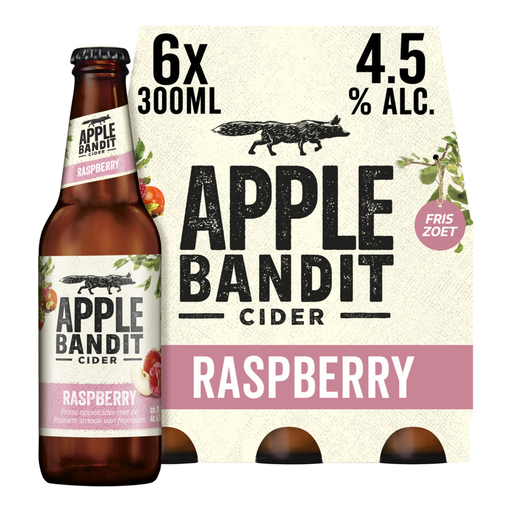
Why this fits the profile: Six 30 cl bottles make portioning easy during a get-together. The raspberry flavour and 4.5% alcohol suit anyone looking for an accessible cider.
The alcohol percentage, bottle size and ingredients are clearly stated. You don't have to rely solely on the fruit flavour.
4.5% alcohol, six individual bottles and serve chilled with ice.
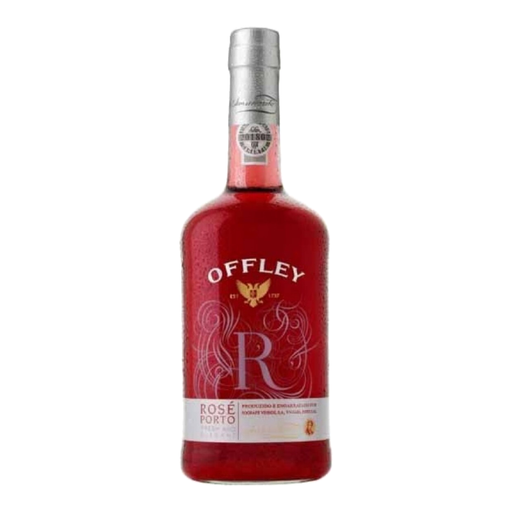
Why this fits the profile: This rosé port from the Douro region has 19.5% alcohol and a 750 ml bottle. It can be served chilled, with ice or with a light dessert.
The high alcohol percentage is clearly stated. This makes the difference from a light cider or premix cocktail easy to judge in advance.
750 ml for sharing, fruity port style and multiple serving options.
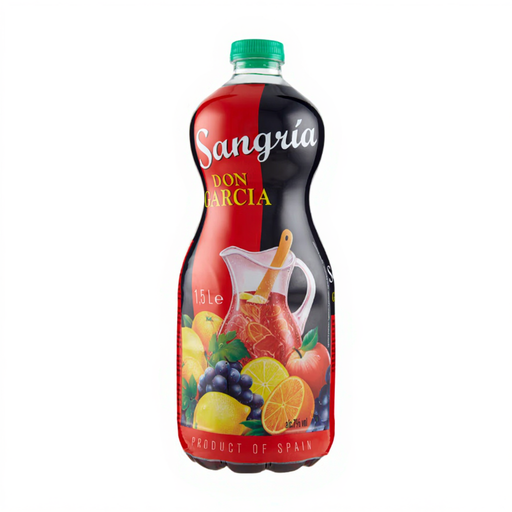
Why this fits the profile: The 1.5 litre volume is practical for a barbecue, garden party or larger gathering. The sangria contains red wine, fruit extracts and cinnamon, and has 7.5% alcohol.
The total volume and alcohol percentage are known in advance. Serve chilled with ice and be aware of the stated 9 grams of sugar per 100 ml.
Large bottle, ready-to-drink and suitable for serving with ice and fruit.
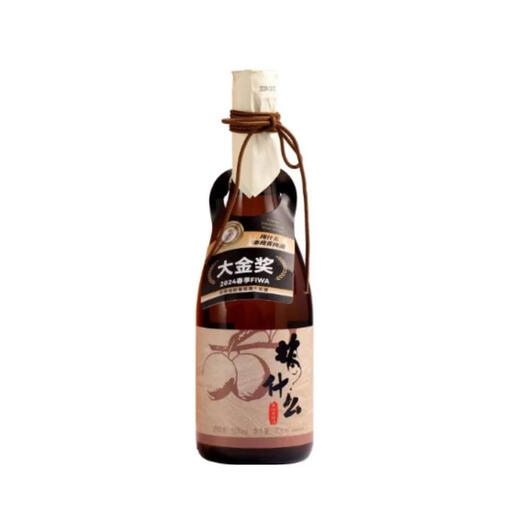
Why this fits the profile: This plum wine combines green plums with rice wine and has 15% alcohol. You can drink it chilled, with ice or with soda water.
The ingredients are clearly listed: water, rice, green plums, rock sugar and yeast. This makes the flavour profile easier to assess than by relying on the product name alone.
708 ml volume, 15% alcohol and flexible serving as a fruit wine or long drink.
We've put together a full, up-to-date list of products that fully meet these strict selection criteria and comply with current European safety regulations.
Fruit wine is wine in which fruit or fruit juice plays a clear role, such as cherry wine or plum wine. Cider is typically made from apples and can contain additional fruit flavours. Fruit beer is beer with fruit, fruit juice or flavouring, and often contains barley or wheat. Always check the alcohol percentage and allergens on the label.
Follow the packaging instructions. In many cases, an opened bottle should be kept in the fridge and consumed quickly. For example, YouLu Coconut & Latte Mixed Wine states three days after opening for the best quality. Seal bottles tightly and store unopened drinks in a cool, dry place away from direct sunlight.
No. Sweetness and alcohol percentage are separate characteristics. A premix cocktail or fruit beer can be relatively light, while a sweet rosé port, fruit wine or passion fruit cocktail has a higher percentage. Always compare the alcohol percentage per 100 ml and the serving size.
