
Vandaag of morgen in huis

Kwaliteit gegarandeerd

Welkomstaanbiedingen ontgrendelen: GRATIS bezorging | Tot 80% korting | Gratis 30 dagen JoyPlus-proefperiode
Download de app
Fruity alcoholic drinks are popular for parties, barbecues and get-togethers. But a striking fruit flavour doesn’t always tell you everything about what you’re buying. A sweet alcoholic drink, for example, can contain more sugar than you might expect, while a bottle with a tropical name sometimes has very little fruit juice in it.
As Joybuy’s Product Recommendation Officer, I filter product information by verifiable points. That way, you can see more quickly which drink suits your occasion, budget and company. Only order alcohol if you are 18 or over, and always drink responsibly.
Words like mango, raspberry or watermelon often describe the flavour profile. That doesn’t automatically mean there’s a lot of fruit in it. So always check the ingredients list and the stated percentage of fruit juice.
With Apple Bandit Raspberry, for example, 25% apple juice from concentrate is listed, alongside 0.4% raspberry juice and 0.4% strawberry juice. The drink tastes fruity and raspberry-like according to the product description, but the actual raspberry content is limited.
A low alcohol percentage doesn’t automatically make a drink light or less sweet. Also compare the nutritional values per 100 ml and the serving size. A 1.5-litre bottle of sangria, for instance, contains multiple servings, whereas a 245 ml bottle is intended as a single serving.
A multipack is handy for a party, but less suitable if you want to try a flavour first. A large bottle of sangria is practical for several guests, but once opened it needs to be sealed properly and stored in the fridge. Also check whether the drink should be served chilled, with ice or perhaps diluted with sparkling water.
Pay attention to the stated alcohol by volume (ABV). Across the range, percentages vary from 2.0% for Amstel Radler Fruity Cider to 19.5% for Kopke Fine Ruby Port. Fruit wine, sangria and premix drinks don’t automatically fall into the same category.
Also consider the total quantity:
A sweet impression can come from fruit juice, sugar, syrup or sweeteners. So compare the values per 100 ml. Apple Bandit Raspberry states 5.5 grams of sugar per 100 grams. Don Garcia Sangria states 9 grams of sugar and 10 grams of carbohydrates per 100 ml.
Also check for allergens. Fruit beer often contains barley or wheat and is therefore not suitable for everyone. Apple Bandit Raspberry is described as gluten-free according to the product information, but it does contain sulphites. If in doubt, always check the actual packaging.
The category often determines the flavour base:
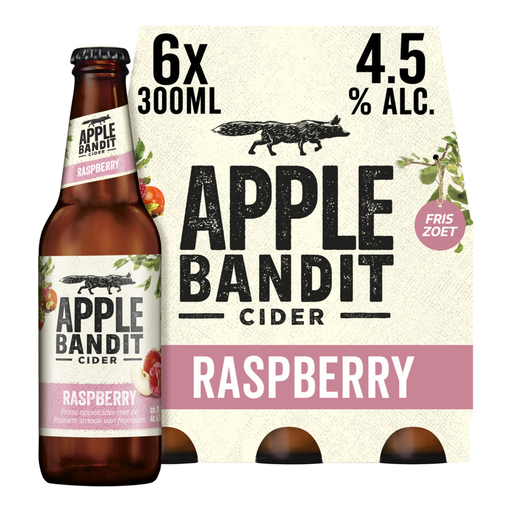
Why this suits the profile: A straightforward multipack for anyone looking for an accessible fruit-flavoured cider for a small gathering or barbecue.
The ABV of 4.5%, the 6 x 0.3-litre content and the ingredients are clearly stated. That way, you’re not just comparing on the raspberry flavour alone.
Cider based on apple juice, raspberry and strawberry juice; described as gluten-free according to the product information and recommended served chilled.
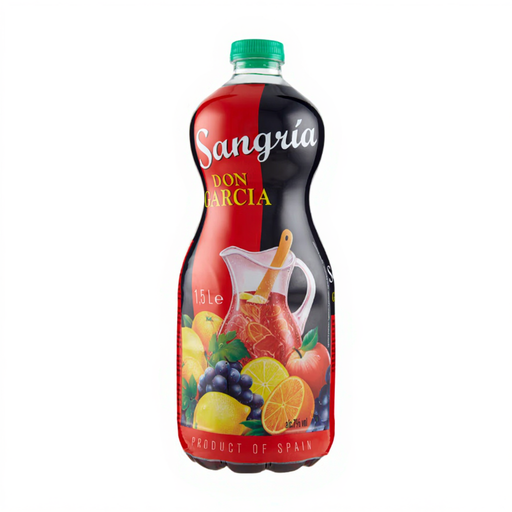
Why this suits the profile: For anyone who wants to serve a fruity drink that can be poured straight from a large bottle into glasses.
The base and ingredients are clearly described: red wine, water, sugar, citric acid, fruit and cinnamon extract. The ABV is stated as 7.5%.
1.5-litre content, flavours including orange, lemon and apple, and suitable for serving chilled with ice and fresh fruit.
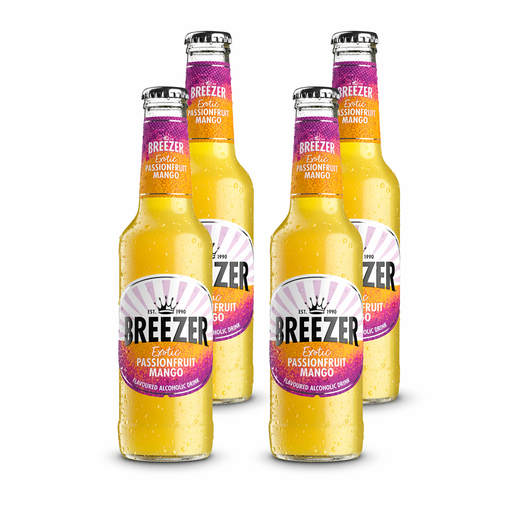
Why this suits the profile: Handy for a party where guests want to drink a mango-flavoured alcoholic mixed drink straight from the bottle, chilled.
The packaging states 4 x 275 ml and the drink is already pre-mixed. So you don’t need to buy any separate ingredients or extra mixer.
Ready-to-drink bottles with passion fruit and mango flavour; the product information states 74 kcal per 100 ml.
We’ve put together a full, up-to-date list of products that fully meet these strict selection criteria and comply with current European safety regulations.
For a barbecue, chilled cider, fruit beer and premix drinks are practical choices. A fruit-flavoured cider or watermelon alcoholic drink can be served straight from the bottle. For a larger group, sangria in a 1.5-litre bottle is more convenient. Always check the ABV and also offer non-alcoholic alternatives.
Fruit beer has a beer base with, for example, cherry or peach. Cider is usually made with apple juice or a fermented apple base. Fruit wine uses fruit as a key part of the wine base, such as cherries or plums. The flavour, sugar content and ABV can vary significantly from product to product.
Store unopened bottles according to the label, usually in a cool place out of direct sunlight. Seal opened bottles tightly and put them in the fridge when the packaging recommends it. Products like sangria, fruit wine and ready-to-drink cocktails can change flavour more quickly once opened. So always check the best-before information on the packaging.
