
Vandaag of morgen in huis

Kwaliteit gegarandeerd

Welkomstaanbiedingen ontgrendelen: GRATIS bezorging | Tot 80% korting | Gratis 30 dagen JoyPlus-proefperiode
Download de app
A bottle of fruit syrup may seem straightforward to choose. Yet lemonade syrup and fruit syrup can differ significantly in composition, dilution ratio, volume and sugar content. A colourful label also does not always reveal how much fruit the bottle actually contains.
When shopping online, these are the three main pitfalls to watch out for:
With the right checks, you can find a syrup for water, lemonade, cocktails or desserts that suits your household.
Ingredients are listed in descending order by quantity. If sugar, fructose or glucose-fructose syrup appears first, it makes up a significant proportion of the product. If fruit juice or fruit concentrate appears first, the fruit content is generally more apparent.
With tropical fruit syrup, several flavours may be combined. For example, g'woon Tropical Fruit Syrup, available in a 750 ml bottle, states that it contains 80% fruit juice from concentrate. The stated tropical blend includes mandarin, pineapple, mango and passion fruit, among others. The nutritional information lists 4.51 grams of sugar per 100 grams. Always check the current packaging when buying, as product formulations can change.
According to the product description, JENI syrup focuses on specific flavours such as mango syrup, pear syrup and passion fruit syrup. The bottle contains 456 ml, equivalent to 600 grams. The ingredients include fructose, sugar, fruit juice or flavourings. These varieties are therefore suitable for shoppers looking for a distinctive Asian or tropical flavour, but less suitable if a high fruit percentage is your main priority.
A sugar-free syrup contains no sugar, but may still include sweeteners. Slimpie Forest Fruit Syrup lists 0 grams of sugar and 1 kcal per 100 ml of syrup. The ingredients include sucralose and acesulfame-K, among others. Karvan Cevitam Multifruit Syrup likewise communicates 0 grams of sugar, while its nutritional information lists 0.5 grams of sugar and 8 kcal per 100 ml.
Raak Zero Pear Syrup is an option for anyone looking for pear flavour without sugar. The stated nutritional values are 0 grams of sugar and 1 kcal per 100 ml. According to the product description, the syrup is vegan and gluten-free. Always check the label for allergies and dietary requirements; “gluten-free” or “vegan” should be clearly stated for the specific product.
Also pay attention to the dilution ratio. A syrup mixed with one part syrup and nine parts water may provide a different amount of sugar per glass than a product with another ratio. Use the preparation instructions as a consistent basis for comparison.
For families, the number of glasses often matters more than the bottle size alone. Raak Orange Lemonade and Raak Multi-Fruit Syrup state that one bottle can yield approximately 6 litres of drink, enough for around 30 glasses of 200 ml. The stated nutritional values for both varieties are 6.7 grams of sugar per 100 grams and 28 kcal.
Karvan Cevitam Tropical Original Syrup comes in a 600 ml bottle and, according to the description, is mixed at a ratio of one part syrup to nine parts water. One bottle can produce up to 6 litres of lemonade, according to the manufacturer. The nutritional information lists 55 grams of sugar per 100 ml of syrup. The claim of up to 75% fruit is a brand statement; use the ingredients list and current packaging to verify it.
For everyday use, a larger bottle may be worthwhile. The 1.9-litre JENI Passion Fruit Syrup is designed for frequent use, such as at parties, in a catering kitchen or when preparing several jugs of lemonade. The stated nutritional value is approximately 33 grams of sugar per 100 grams, but the bottle also contains fructose and sweeteners. Compare not only the price per litre, but also the flavour intensity and dilution ratio.
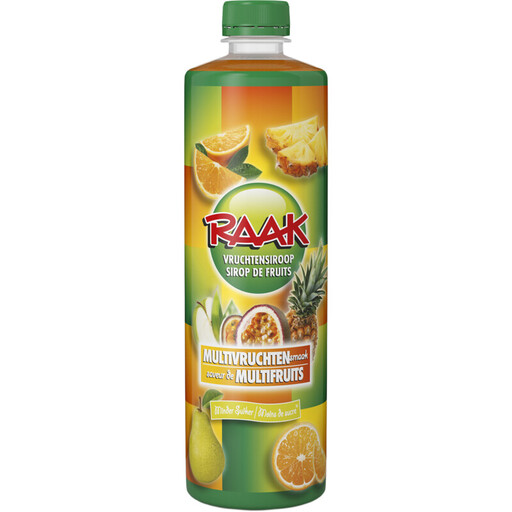
Why it’s a good fit: A practical choice for families looking for a familiar fruit flavour and several glasses from a single bottle.
The product description states an output of approximately 30 glasses, so you do not have to judge value by bottle size alone.
According to the product information, it contains 11% fruit juice from concentrate and lists 6.7 g of sugar per 100 g.
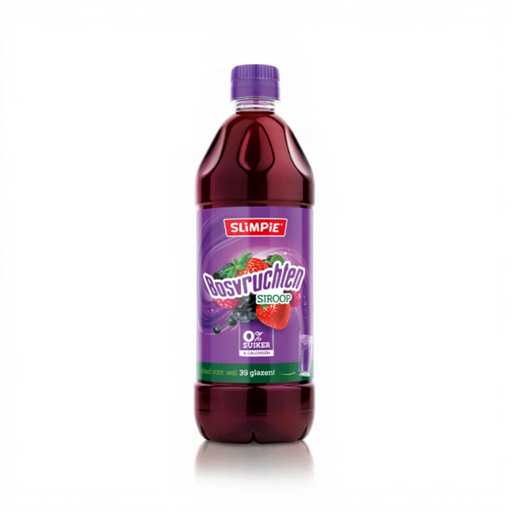
Why it’s a good fit: For anyone looking for a fruit syrup to add to everyday water, with a low stated sugar and calorie content.
The nutritional information is clearly stated: 0 g of sugar and 1 kcal per 100 ml of syrup. According to the ingredients, the sweetness comes from sweeteners.
Contains 6% fruit juice from concentrate and is described as suitable for vegetarians and vegans.
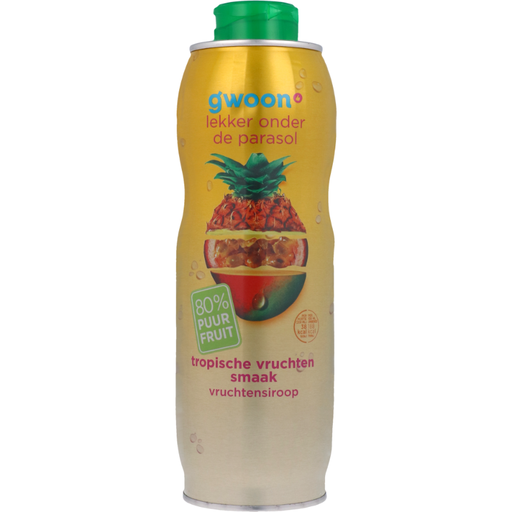
Why it’s a good fit: Ideal for home use, sparkling water and mocktails when you want to combine several fruit notes in a single bottle.
The product information states the fruit percentage and breaks down the tropical blend, making it easier to assess the expected flavour profile.
750 ml bottle and 80% fruit juice from concentrate according to the supplied product description.
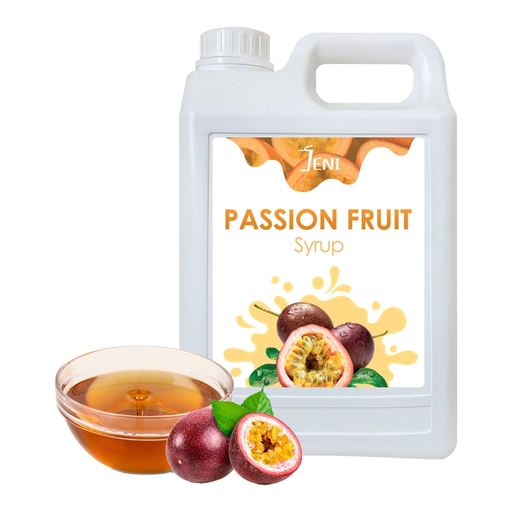
Why it’s a good fit: A large-format bottle for anyone who regularly uses syrup for lemonade, cocktails or drinks for a crowd.
The volume is clearly larger than that of standard bottles, allowing you to compare the price per litre more fairly.
Passion fruit flavour, 1.9 litres of syrup and a stated sugar content of approximately 33 g per 100 g.
Would you also like to compare flavours such as pear syrup, mango syrup, raspberry syrup, vegan syrup or gluten-free syrup? Explore the full range of sweet fruit syrups.
We have put together an up-to-date selection of products that meet these practical criteria, including flavour, ingredients, sugar content and intended use.
The terms are often used interchangeably. Lemonade syrup is generally intended to be diluted with water. Fruit syrup can also be used in desserts, mocktails or cocktails. Always check the preparation instructions, ingredients and nutritional information for the specific product.
That depends on the bottle size and dilution ratio. For several varieties, Raak states that one bottle makes approximately 30 glasses of 200 ml. For some 600 ml bottles, Karvan Cevitam states an output of up to 6 litres. The actual amount depends on how strongly you prepare the drink.
Not necessarily. Sugar-free syrup can be a good option if you want to reduce your sugar intake, but it often contains sweeteners and may contain less fruit juice. Compare the complete ingredients list, nutritional information, flavour and intended use rather than focusing only on the front of the label.
