
Vandaag of morgen in huis

Kwaliteit gegarandeerd

Welkomstaanbiedingen ontgrendelen: GRATIS bezorging | Tot 80% korting | Gratis 30 dagen JoyPlus-proefperiode
Download de app
Fruit-flavoured sparkling water is a practical alternative to soft drinks: it offers fizz and a fruity taste, but not every bottle suits the same drinking habits. Some varieties contain only flavouring, while others use organic fruit juice. The difference between sugar-free sparkling water, low-calorie sparkling water and regular fizzy soft drinks is not always immediately clear from the front of the packaging.
If you rely solely on the flavour name or attractive packaging, you may end up buying more sugar than intended, choosing a pack that is too large or expecting a stronger fruit flavour than the product actually delivers. Use the following points to compare flavoured sparkling water based on verifiable information.
A fruit name may refer to natural flavouring, fruit juice or a combination of the two. According to the product information, Spa Touch Strawberry Daiquiri contains 99.9% sparkling natural mineral water and natural flavouring. This creates a mocktail-style taste, but the product contains no fruit juice according to the listed ingredients.
Charlie’s Sparkling Water is different. According to the product specification, the Passionfruit variety consists of 95% carbonated water and 5% organic juice, including 4% passion fruit and 1% orange. So always check the ingredients list if you are looking for a fruitier profile.
A low-calorie drink may still contain sugar. For example, Spa Fruit Sparkling Mango Grapefruit lists 11 kcal and 2.7 grams of sugar per 100 ml. The Lemon Cactus variety lists 12 kcal and 3 grams of sugar per 100 ml.
By contrast, products such as Spa Touch Mojito and Spa Touch Strawberry Daiquiri contain no sugar. According to the product information, these drinks contain 0 kcal, 0 grams of sugar and no sweeteners. Crystal Clear Sparkling Peach contains 1 kcal per 100 ml according to the label and does use sweeteners, including sucralose and acesulfame-K. So “sugar-free” does not automatically mean that a product contains no sweeteners.
A 1 or 1.25-litre bottle is convenient with a meal or when serving several people. Small 330ml cans are more practical on the go and are easier to keep cold per serving. Once opened, sparkling water should generally be stored in the fridge and used within the period stated on the packaging. The fizz and flavour also often diminish when a bottle is opened repeatedly.
So do not compare only the price per pack. Also consider the price per litre, the number of drinking occasions and how you plan to use the product.
Look for these three points on the label:
For low-calorie sparkling water, the nutritional value per 100 ml is the easiest basis for comparison. According to the product specification, Charlie’s Lemon contains 1 kcal per 100 ml and 3% organic lemon juice. Raspberry & Lime contains 2 kcal, with 4.5% organic raspberry purée and 1.5% organic lime juice. Passionfruit contains 3 kcal per 100 ml. These differences are small per glass, but become relevant if you drink several servings every day.
Sparkling mineral water generally contains natural mineral water and carbon dioxide. For example, San Pellegrino Mineral Sparkling Water lists natural mineral water and carbon dioxide as its ingredients and contains 0 kcal. According to the product information, Spa Intense Sparkling consists of natural mineral water and carbon dioxide.
Flavoured sparkling water also contains flavouring, juice, sugar or sweeteners. It is therefore more of an alternative to soft drinks than pure sparkling water. Neither category is automatically suitable for every situation: choose according to taste, ingredients and nutritional values.
For use at home, bottles of 1 litre or more are efficient for meals and social occasions. A multipack of 330ml cans or bottles is better suited to individual servings. Also check the best-before date, the seal and the storage instructions. Store unopened bottles in a cool, dry place away from direct sunlight, and refrigerate opened packaging.
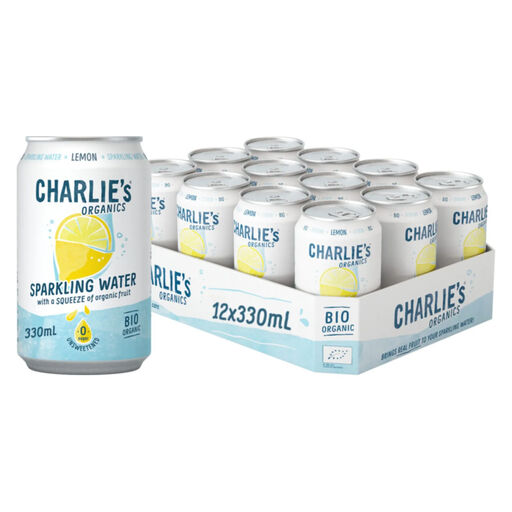
Why it suits this profile: The 330ml packaging provides individual servings for home, work or on the go. The lemon flavour is familiar and easy to pair with a meal.
The ingredients list states 97% carbonated water and 3% organic lemon juice. The product contains 1 kcal and 0 grams of sugar per 100 ml.
Organic lemon juice, 1 kcal per 100 ml, 12 x 330 ml and suitable as a base for a cocktail or mocktail.
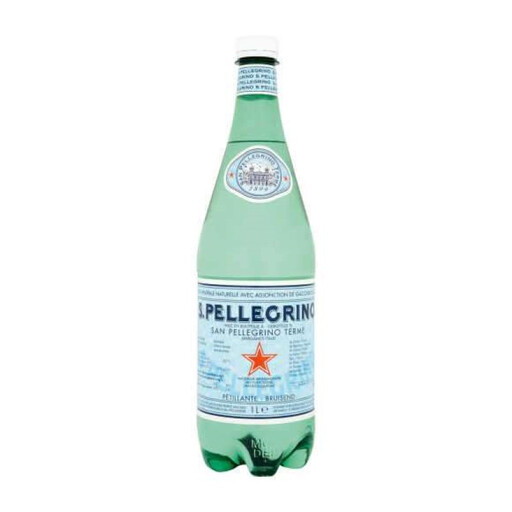
Why it suits this profile: Ideal if you are mainly looking for naturally sparkling mineral water to enjoy with food, without fruit flavour, sugar or calories.
The ingredients list is limited to natural mineral water and carbon dioxide. This means there are no hidden flavourings, fruit juice or sweeteners.
0 kcal, 0 grams of sugar and a 1-litre bottle. According to the product information, it comes from Italy.
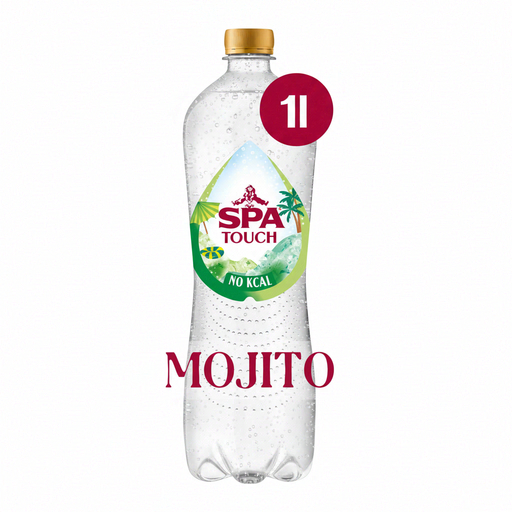
Why it suits this profile: This sparkling mocktail variety is designed for social occasions, drinks with friends and alcohol-free cocktails without the need for extra mixers.
The product specification lists natural flavouring, no sugar, no sweeteners and 0 kcal. It is therefore clearly different from a sweetened fruit soft drink.
1 litre, 0 grams of sugar, alcohol-free according to the product description and suitable as a base for a mocktail.
Choose Charlie’s if fruit juice and a more distinct fruit flavour are important to you. The range includes Raspberry & Lime, Cassis, Orange & Mandarin, Grapefruit and Passionfruit. For everyday drinking with as few calories as possible, sugar- and sweetener-free varieties such as Spa Touch are worth considering.
If you mainly want fizz with a meal, natural mineral water such as San Pellegrino, Spa Intense or Spa Finesse Light is a better choice. For a family occasion, a 1.25-litre bottle may be more practical, but be sure to check the sugar content of Spa Fruit. If you are looking for alcohol-free sparkling water for a drinks occasion, choose a mocktail variety or serve Charlie’s with ice, mint and fresh fruit.
We have compiled a complete, up-to-date list of products that fully meet these strict selection criteria and the applicable European safety regulations.
Not always. Some varieties contain only sparkling water and flavouring, such as Spa Touch. Other products contain fruit juice, sugar or sweeteners. So check the ingredients and nutritional values per 100 ml.
This varies by product. Spa Touch Strawberry Daiquiri and Spa Touch Mojito list 0 kcal and 0 grams of sugar. Charlie’s Lemon lists 1 kcal per 100 ml, while Raspberry & Lime and Cassis contain 2 kcal per 100 ml. Check the label, as recipes and packaging may change.
After opening, keep the bottle chilled, replace the cap securely and use the product within the period stated on the packaging. This helps preserve the flavour and carbonation for as long as possible. Also check the bottle size before buying: smaller servings are convenient if you are unlikely to finish an opened bottle quickly.
