
Vandaag of morgen in huis

Kwaliteit gegarandeerd

Welkomstaanbiedingen ontgrendelen: GRATIS bezorging | Tot 80% korting | Gratis 30 dagen JoyPlus-proefperiode
Download de app
Fruit tea comes in many forms: from a bag of black tea with peach to ready-to-drink iced tea, instant tea and Korean citron concentrate. That wide choice is convenient, but it also makes deciding harder. A fruity name doesn’t automatically tell you anything about the fruit juice content, the amount of sugar or the method of preparation.
If you’re buying fruit tea in the UK, it’s worth comparing the label and the occasion you’ll be drinking it. That way, you avoid paying for a large pack that doesn’t suit your household, or for a drink that’s much sweeter than you expected.
Peach tea, mango tea or grape tea can be mostly water, sugar, tea extract and flavouring. So always check the ingredients list and the quantitative ingredient declaration. Some drinks clearly state the juice percentage. Naïsnow Green Grape Scented Oolong Tea, for example, states a total fruit juice content of at least 9%. That’s more verifiable than just a picture of grapes on the packaging.
With Pickwick Mango Fruit Tea, you’re looking at black tea, natural flavourings and pieces of mango at 0.8%. That product is therefore quite different from a fruit juice drink.
Words like “light”, “zero” and “low sugar” need context. Look at the energy, carbohydrates and sugars per 100 ml and also at the serving size. g’woon Ice Tea Peach Zero states 0 kcal per 100 ml and uses sweeteners. The regular g’woon Peach Iced Tea contains 16 kcal and 3.8 grams of sugar per 100 ml, according to the product information.
An instant tea can also be relatively high in sugar. Goldkili Red Date Tea with Longan states 17 grams of sugar per 18-gram sachet. That makes it suitable mainly if you’re deliberately looking for a sweet instant drink, not if you expect an unsweetened tea.
A 1.5-litre bottle is practical for a family or a meal, but less handy for on the go. A multi-pack of six 250 ml bottles is easy to take with you, but takes up more packaging space. Tea bags and instant sticks last longer once opened, whereas ready-to-drink tea usually needs to be kept chilled and used up quickly after opening.
Black tea generally gives a recognisable, robust base to peach tea and lemon tea. Green tea with fruit is often lighter in flavour. Oolong tea sits somewhere between green and black tea in character. With Naïsnow Peach Oolong Tea and Nestlé Peach Clear Oolong, oolong is combined with peach and apple juice concentrate.
Also note the order of ingredients. Ingredients are usually listed in descending order by quantity. “Peach flavour” could therefore be mostly flavouring, whereas “peach concentrate” or a stated juice percentage gives you more information about the fruit component.
Compare the nutritional values per 100 ml or per serving. Also check whether the product contains sweeteners such as erythritol, steviol glycosides, sucralose or acesulfame-K. AGF Blendy Peach Tea lists aspartame among its ingredients, with a warning that it contains a source of phenylalanine.
If in doubt, always check the current packaging. Product information can change, and an online description is no substitute for the label. The products mentioned do not list any of the 14 main EU allergens, but AGF Blendy does list peach as an ingredient, and Nestlé Peach Clear Oolong states that the product is made on equipment that also processes peanuts, milk and oats.
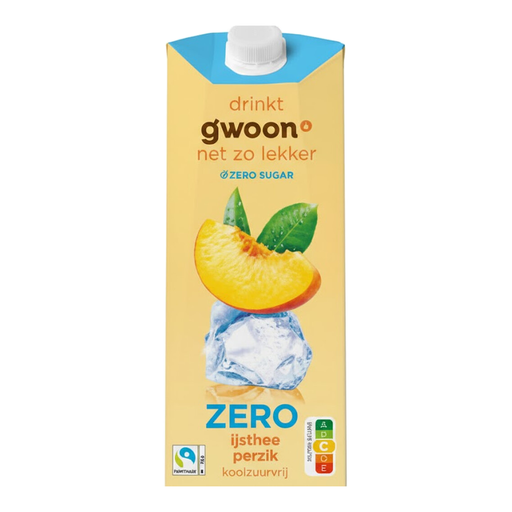
Why this fits the profile: This large bottle is practical for home use and offers a peach flavour with no preparation needed. According to the product information, the zero variant contains 0 kcal per 100 ml.
The nutritional information and ingredients are clearly stated, so you can tell the zero variant apart from regular peach iced tea.
1.5 litre capacity; ready to drink; peach juice concentrate and tea extract are listed on the label.
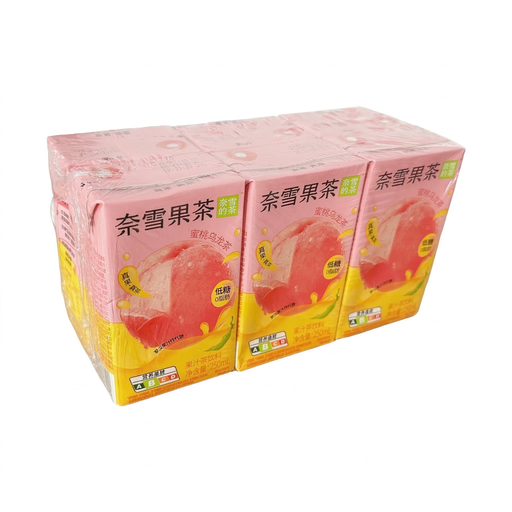
Why this fits the profile: The combination of oolong, concentrated honey peach and apple suits those looking for more depth than in regular peach tea.
The product states at least 10% fruit juice and at least 4 g of oolong tea per litre, rather than just mentioning a general fruit flavour.
Six 250 ml bottles; 20 kcal per 100 ml; serve chilled.
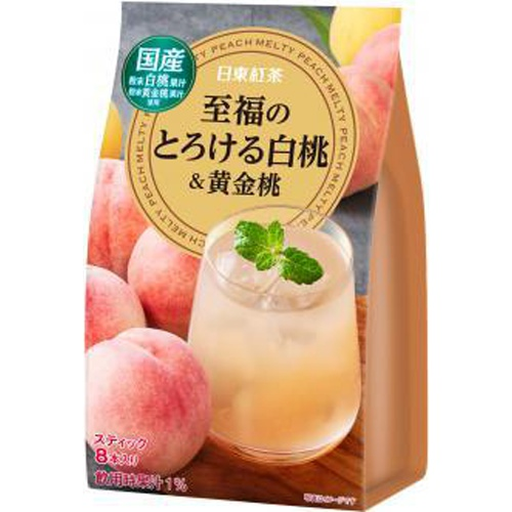
Why this fits the profile: Individually wrapped sticks are handy for the office, travel and multiple drinking occasions. You can prepare the tea with hot or cold water.
The portions are pre-divided. That means you don’t have to guess the amount of powder or concentrate.
Suitable for hot and cold water; sticks are individually wrapped; stated nutritional value is 43 kcal per stick.
We’ve put together a full, up-to-date list of products that fully meet these strict selection criteria and current European safety regulations.
Fruit tea is a broad category. It can include tea bags with fruit flavouring, green tea with fruit, oolong tea with fruit or a concentrate. Iced tea usually refers to cold, often ready-to-drink tea. So a product can be both fruit tea and iced tea.
Follow the ratio on the packaging. Ranong Lemon Lime Instant Thai Tea Mix recommends one 25-gram sachet with 150 ml of hot water. For iced tea, let the drink cool down first or pour it over ice. The flavour and sweetness depend heavily on the amount of water.
Store unopened bottles and cartons according to the label, usually in a cool place out of direct sunlight. Once opened, ready-to-drink tea generally needs to be kept in the fridge. Then drink the pack within the stated period. Seal a bottle tightly and don’t use a product if the seal is already damaged.
