
Vandaag of morgen in huis

Kwaliteit gegarandeerd

Welkomstaanbiedingen ontgrendelen: GRATIS bezorging | Tot 80% korting | Gratis 30 dagen JoyPlus-proefperiode
Download de app
A bottle of fruit syrup might seem straightforward to choose. Yet cordials, squash and fruit syrups vary greatly in their composition, dilution ratio and yield. A flashy label boasting “lots of fruit” doesn’t automatically tell you how much fruit actually ends up in your glass. Likewise, “sugar-free” can go hand in hand with sweeteners that not everyone finds agreeable.
With this practical guide, you’ll focus on the information that really matters: fruit content, sugar level, dilution instructions, volume and allergens. That way, you can pick a syrup for water that suits your household and how you plan to use it.
A product can have a distinct berry or tropical taste, yet contain only a modest amount of fruit. Always check the ingredients list. It tells you which fruit is listed first and what percentage of juice or purée is present.
For example, Karvan Cevitam Blackcurrant Original Syrup states 75% fruit juice from concentrate, including apple, strawberry and elderberry. A sugar-free version may have a lower fruit content, with the flavour built mainly from flavourings and sweeteners.
A sugar-free syrup often contains sweeteners such as sucralose, acesulfame-K or steviol glycosides. That can be handy if you want to cut down on sugar, but the taste differs from a classic syrup made with sugar.
Slimpie Forest Fruit Syrup lists 0 grams of sugar and 0 grams of carbohydrates per 100 grams, with sweeteners in the ingredients. Teisseire Forest Fruit Squash lists 0.7 grams of sugars per 100 grams and 14 kcal. So always look at the nutritional information panel, not just the front of the bottle.
A 600 ml bottle might seem good value, but the actual yield depends on the recommended dilution ratio. Karvan Cevitam recommends a ratio of 1 part syrup to 9 parts water for several of its varieties. That means a 600 ml bottle makes up to around 6 litres of drink, or roughly 30 glasses of 200 ml.
So compare the price per litre of prepared cordial. Also check whether you mainly want the syrup for still water, sparkling water, mocktails or desserts.
Choose based on how you’ll use it:
Bear in mind that product names sometimes indicate a flavour rather than the exact composition. The ingredients list is what counts.
Compare the values per 100 ml of syrup or per 100 ml of prepared drink. These two figures are not the same. A classic syrup might contain 55 to 56 grams of sugar per 100 grams, as stated for Karvan Cevitam Blackcurrant and Grenadine. Once diluted, the amount of sugar per glass is lower, but the exact figure depends on the ratio you use.
Van de Boom Pear Syrup states 85% fruit and 0% added sugars. The syrup does contain naturally occurring sugars and sweeteners. That’s different from a completely sugar-free product.
For a family, a 750 ml or 1.5 litre bottle may be more practical than several smaller ones. Check:
Most of the syrups mentioned need to be chilled after opening. Always follow the instructions on the packaging, especially if you use the bottle daily.
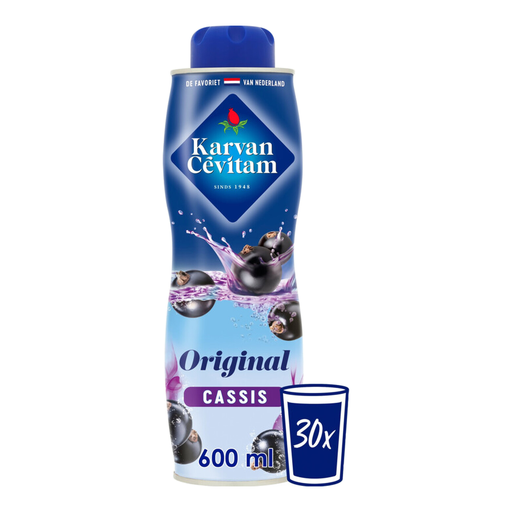
Why this fits the profile: The stated mixing ratio of 1:9 and yield of around 6 litres make it easy to work out the cost per glass.
The bottle states not just the flavour, but also 75% fruit juice from concentrate and roughly 30 glasses per bottle.
Berry flavour, a source of vitamin C according to the product information, and clear dilution instructions.
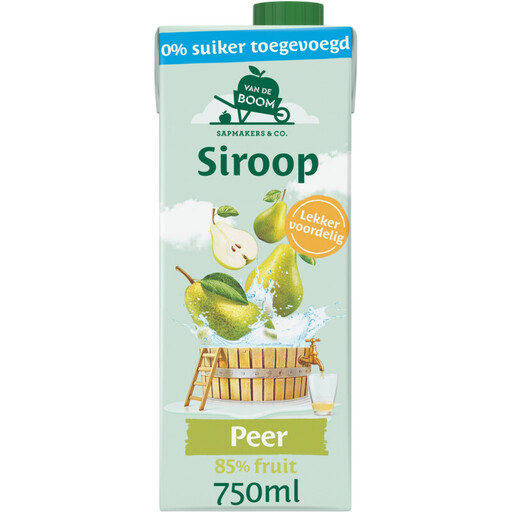
Why this fits the profile: The product information states 85% fruit and 0% added sugars, combined with a yield of around 30 glasses.
The distinction between no added sugars and naturally occurring sugars is clearly indicated.
High stated fruit content, pear flavour and 750 ml volume for regular use.
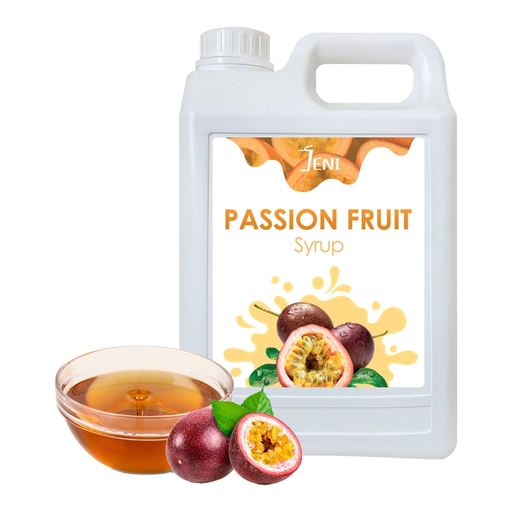
Why this fits the profile: The 1.9 litre volume is designed for heavy use, for example parties, catering-style applications or multiple family occasions.
The larger pack size stops heavy users from having to buy several small bottles in quick succession.
Passion fruit flavour, 1.9 litre volume and 63 grams of carbohydrates per 100 grams according to the product information.
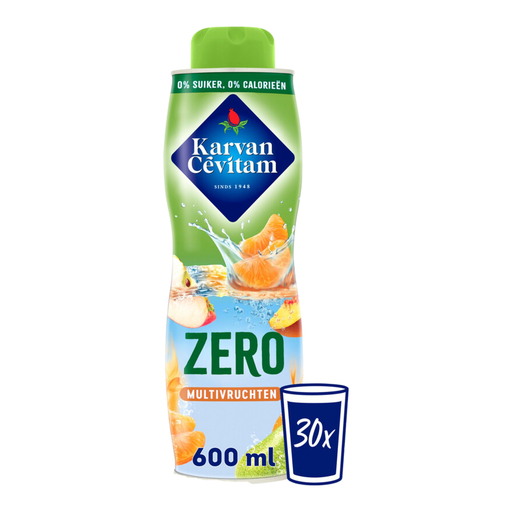
Why this fits the profile: The product information states 0% sugar and 0 kcal, with a yield of up to around 6 litres of cordial.
The nutritional values and sweeteners used are specified, so “sugar-free” doesn’t have to be interpreted as a vague marketing term.
Multifruit flavour, 8 kcal per 100 grams according to the table, and added vitamin C according to the product information.
We’ve put together a full, up-to-date list of products that fully meet these strict selection criteria and comply with current European safety regulations.
First, follow the ratio on the label. A common instruction is 1 part syrup to 9 parts water. You could start with a little more water and add syrup later if you prefer a stronger flavour. Sparkling water can add extra refreshment, but add the syrup slowly to prevent excessive fizzing.
It varies by product. The syrups mentioned generally need to be stored in the fridge after opening. Seal the bottle carefully and follow the best-before and usage information on the packaging. Do not use a product if the seal is damaged when you buy it, or if the smell, colour or taste has clearly changed.
Not necessarily, but many sugar-free varieties are low in calories. Check the nutritional information per 100 ml of syrup and per prepared drink. Also pay attention to sweeteners, fruit content and the recommended dilution. That way, you can make a choice that suits your taste and daily use.
