
Vandaag of morgen in huis

Kwaliteit gegarandeerd

Welkomstaanbiedingen ontgrendelen: GRATIS bezorging | Tot 80% korting | Gratis 30 dagen JoyPlus-proefperiode
Download de app
At first glance, a bottle of fruit syrup seems straightforward to compare. Yet products vary significantly in sugar content, fruit percentage, sweeteners, serving size and usage. If you only look at the flavour on the front, you could end up buying a product that doesn't suit your family or works out more expensive per glass.
Terms like no sugar, with fruit and natural flavour also warrant a closer look at the label. According to the brands' own information, such claims can hide very different compositions. So always use the ingredients list and nutrition table as your starting point.
A fruit syrup without sugar often contains sweeteners such as sucralose, acesulfame-K, steviol glycosides or a combination of these. That is not the same as a syrup made with fruit alone. So check both the “of which sugars” line and the ingredients list.
Karvan Cevitam Multifruit Zero states 0% sugar and 0 calories according to the product information, but it does contain sucralose and steviol glycosides. Slimpie Forest Fruit also states 0 grams of sugar per 100 ml of syrup and uses sucralose and acesulfame-K.
A flavour name like strawberry, blackcurrant or multifruit does not automatically mean the product is mostly made from that fruit. In Raak Strawberry Lemonade Syrup, the fruit portion consists of 15% juice from concentrate according to the ingredients list, including 4% strawberry juice. Karvan Cevitam Blackcurrant Original states 75% fruit juice from concentrate according to its own product information, including apple, strawberry and elderberry.
So compare the fruit percentage and the types of juice. With multifruit syrup, one fruit type may make up the largest share while other fruits are only present in small amounts.
A syrup for water is designed to be diluted. A fruit purée is thicker and is usually eaten straight. A fruit compote is better suited to yoghurt, pancakes, breakfast or a hot meal. Baby fruit purée also carries an age recommendation and storage advice specifically intended for young children.
Also watch out for products that look similar in search results. A classic apple syrup, such as G'woon Rinse Apple Syrup, is a sandwich spread, not a squash syrup. The composition and use are therefore different.
Don't just compare the nutritional value of the undiluted syrup. Also look at the recommended mixing ratio. Karvan Cevitam, for example, advises 1 part syrup to 9 parts water and states that one bottle yields approximately 6 litres of drink.
With Raak Strawberry and Raak Multifruit, the product information states that one bottle makes around 30 glasses of 200 ml. This makes it easier to calculate the price per glass. A larger bottle is not automatically better value if you need more syrup for the same taste.
Check these three points separately:
Van De Boom Pear Syrup states 85% fruit juice from concentrate, 0% added sugars and 8.5 grams of sugars per 100 ml according to the product description. The natural sugars from the fruit therefore still count.
Always check the allergens on any product containing milk. Taksi Dragon Fruit Cordial contains 40% milk constituents according to the ingredients list and is therefore not suitable for anyone who needs to avoid milk.
For baby products, the age recommendation is more important than the fruit flavour. Olvarit Apple Strawberry Banana is suitable from 8 months according to the packaging. Organix Bio Pear & Raspberry is suitable from 6 months according to the product information. Always follow the instructions on the packaging, especially after opening and when storing in the fridge.
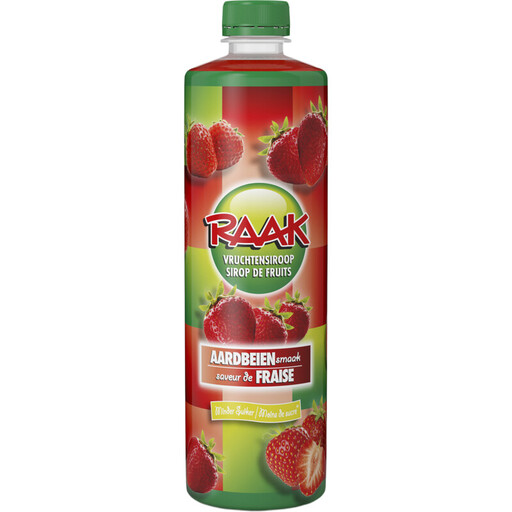
Why this fits the profile: A recognisable strawberry flavour and, according to the product information, enough for around 6 litres of squash. Handy for families who regularly use syrup for drinks.
The ingredients list and nutritional values make it clear that this variant does contain sugars. So you are not buying a product that could be mistakenly interpreted as a sugar-free syrup.
750 ml content, approximately 30 glasses according to the product description, vegan and free from the 14 major EU allergens according to the label.
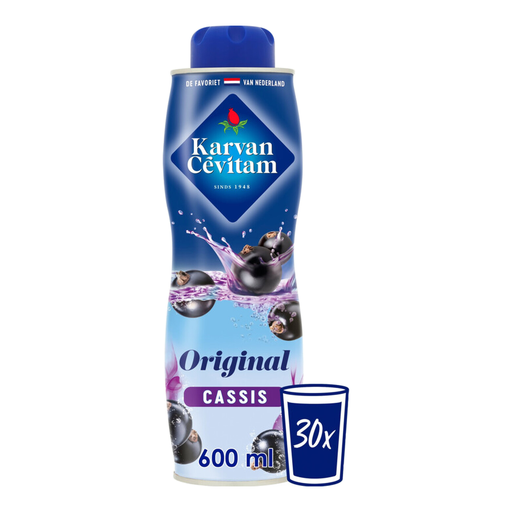
Why this fits the profile: Ideal for those who value a distinct blackcurrant flavour and a high stated fruit juice content.
The label states 75% fruit juice from concentrate according to Karvan Cevitam's own information. The product information also states 56 grams of sugars per 100 grams; so it is not a sugar-free syrup.
1:9 mixing ratio, up to approximately 6 litres of drink per bottle and, according to the manufacturer, a source of vitamin C.
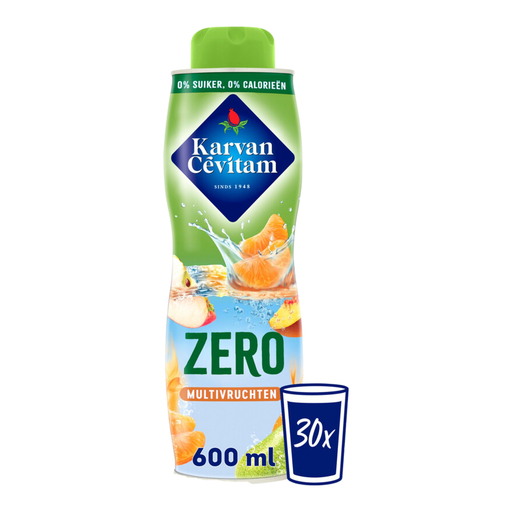
Why this fits the profile: For households that frequently flavour water, sparkling water or mocktails and want a sugar-free, calorie-free option.
The product information states 0% sugar and 0 calories, while the ingredients list shows the sweeteners used. This makes it clear what “zero” means in this context.
Up to approximately 6 litres of drink per bottle, 1:9 mixing ratio and, according to the product description, free from colourings and artificial flavourings.
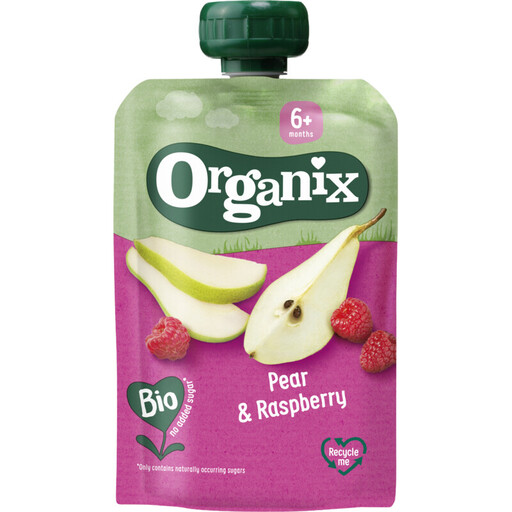
Why this fits the profile: A practical fruit purée for on the go or as a snack, with a clear age recommendation from 6 months.
This is clearly recognisable as a baby fruit purée and not a syrup for squash. The packaging states 90% pear purée and 10% raspberry purée, with no added sugars.
Organic fruit purée, 100 grams per pouch and, according to the product information, only naturally occurring sugars.
We have compiled a full, up-to-date list of products that fully meet these strict selection criteria and comply with current European safety regulations.
Fruit syrup is a broad term for concentrated products containing fruit juice, fruit purée or fruit flavour. Squash syrup is typically intended to be mixed with water. Always check the recommended ratio, the fruit percentage and the nutritional values on the label.
No. Sugar-free syrup contains no or virtually no sugar according to the nutrition table, but may contain sweeteners. A product with no added sugar can still contain natural sugars from fruit, as with baby fruit purée or some fruit syrups.
This varies by product. Many syrups need to be refrigerated after opening and used within the period stated on the packaging. Seal the bottle tightly and always check the storage advice. For baby products, shorter times often apply: Organix, for example, states consumption within one day of opening, while some Olvarit products should be used within 48 hours according to the product information.
