
Vandaag of morgen in huis

Kwaliteit gegarandeerd

Welkomstaanbiedingen ontgrendelen: GRATIS bezorging | Tot 80% korting | Gratis 30 dagen JoyPlus-proefperiode
Download de app
A bottle of fruit syrup may seem like a simple choice, but labels and marketing claims can make it difficult to compare products. Are you mainly looking to make affordable squash, cut down on sugar, or use syrup in sparkling water and desserts? If so, flavour, dilution ratio and ingredients matter more than an eye-catching label.
A berry flavour may contain only a small percentage of fruit juice, with flavourings, colourings and sweeteners added. So check the ingredients list, where ingredients are usually listed in descending order by weight. If sugar or glucose-fructose syrup is near the top, it makes up a significant part of the product.
Also look at the difference between fruit juice from concentrate, fruit purée and flavourings. For example, a raspberry syrup may have raspberry in its name, while the label states that it contains only a limited percentage of raspberry juice.
A sugar-free syrup or zero-sugar syrup will usually contain sweeteners. This may suit you if you’re watching your calorie or sugar intake, but the flavour and aftertaste vary from product to product. Always check the nutrition table and the sweeteners used, such as sucralose, acesulfame K or steviol glycosides.
A product with less sugar is different from one with no sugar. For example, Raak Strawberry Lemonade Syrup contains 6.8 grams of sugar per 100 ml, while several Slimpie varieties are listed in the product information as containing 0 grams of sugar per 100 ml.
Don’t compare only the price per bottle. Check how many glasses or litres of drink you can make with it, too. The recommended dilution ratio varies. According to the product description, Slimpie Raspberry Syrup uses 1 part syrup to 11 parts water. Karvan Cevitam recommends 1 part syrup to 9 parts water for its blackcurrant and raspberry varieties.
Where possible, work out the price per litre of prepared drink. This helps you avoid assuming that a smaller bottle with a generous dilution ratio will be cheaper to use.
Nutritional values are often given per 100 ml of syrup, even though you drink it diluted. So check the information for the prepared drink, if available, too. Look out for:
A sugar-free syrup may be low in energy, but always check the current packaging. Product recipes can change.
If you’re after a pronounced fruity flavour, check the stated percentage of juice or purée. According to the product information, Karvan Cevitam Blackcurrant Original Syrup contains 75% fruit juice from concentrate and has a recommended dilution ratio of 1:9. Slimpie Forest Fruit Syrup is listed as containing 6% fruit juice from concentrate, including blackcurrant, elderberry, raspberry and strawberry.
That doesn’t automatically make one flavour better than another. A lower fruit content may suit someone looking for a lighter drink sweetened with sweeteners. Compare the ingredients with your preference for a full-bodied berry flavour or a milder squash.
If you follow a vegan diet, it’s worth checking the label and product information. Some varieties are listed as vegan, while others don’t have a specific vegan claim. Also check for allergens, preservatives and colourings if these matter to your household.
Fruit syrup isn’t just for squash. You can use it in:
So a vegan syrup or syrup for water should taste good in a glass and work well in the recipes you want to make.
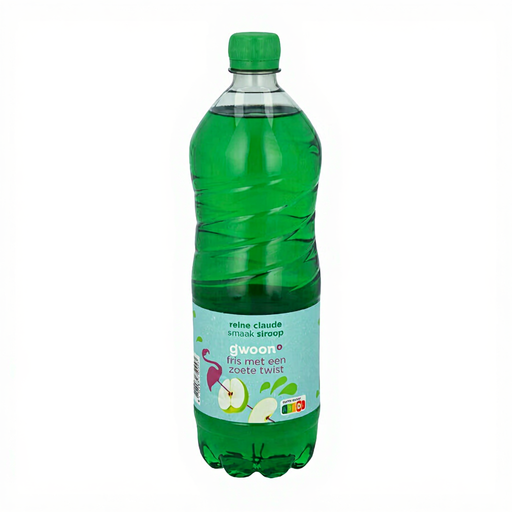
Why it suits this profile: The 1-litre bottle is handy for families who regularly make squash and want to try a mellow, less familiar fruit flavour.
The nutritional information and ingredients are available, so you can compare sugar, sweeteners and flavourings in advance rather than relying on the flavour name alone.
1-litre bottle; according to the product information, 12 kcal and 2.7 grams of sugar per 100 ml.
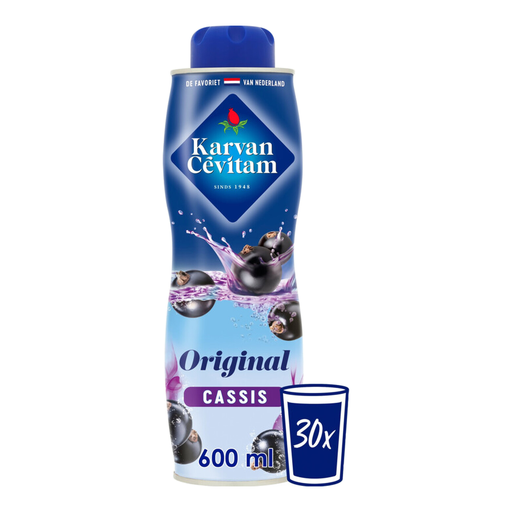
Why it suits this profile: A good choice for blackcurrant syrup fans who want to consider fruit content, natural flavour claims and how well it works with sparkling water.
The product information gives the fruit content and dilution ratio, so you don’t have to rely on the word “blackcurrant” alone.
According to the brand’s product information, 75% fruit juice from concentrate; recommended dilution ratio of 1:9.
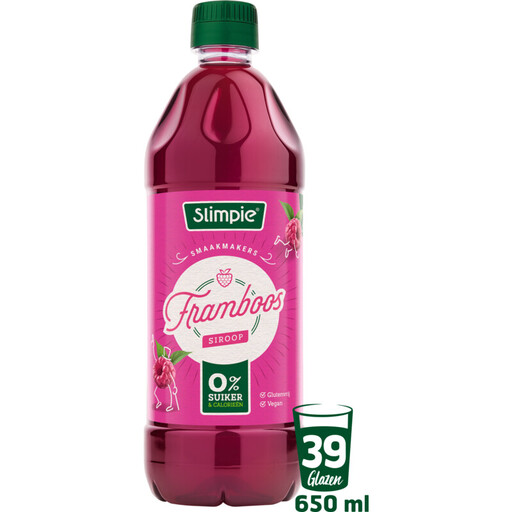
Why it suits this profile: A practical choice for households that make squash often and want a sugar-free raspberry syrup for still or sparkling water.
The recommended 1:11 dilution ratio makes it easy to estimate how many glasses you’ll get and what it will cost to use.
According to the product information, 0 grams of sugar, around 1 kcal per 100 ml, and suitable for vegans and people following a gluten-free diet.
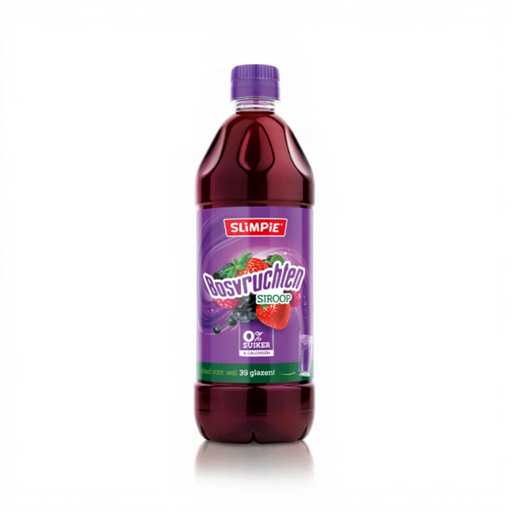
Why it suits this profile: The blend of blackcurrant, elderberry, raspberry and strawberry is a good fit if you want to serve a more varied forest-fruit flavour.
The label lists the individual fruits and the fruit content, making it easier to compare the flavour profile.
According to the product information, 6% fruit juice from concentrate, 0 grams of sugar and around 1 kcal per 100 ml.
We’ve put together a complete, up-to-date list of products that meet these strict selection criteria and current European safety requirements.
Start with the dilution ratio on the label. Add the syrup first, then top up with still or sparkling water. Stir well and taste before adding more syrup. Ice, lemon or fresh mint can add a twist without needing extra syrup.
It varies by product. Many bottles recommend keeping opened syrup in the fridge and using it within the period stated on the packaging. Replace the cap securely and check the smell, colour and packaging before use. Always follow the shelf-life information on the current bottle.
Often, but check the nutrition table. “Sugar-free” alone doesn’t tell you how much energy the product contains. Also check whether it’s designed to be diluted before drinking, and compare the values per prepared serving.
