
Vandaag of morgen in huis

Kwaliteit gegarandeerd

Welkomstaanbiedingen ontgrendelen: GRATIS bezorging | Tot 80% korting | Gratis 30 dagen JoyPlus-proefperiode
Download de app
A bottle of fruit syrup might seem straightforward to choose. But differences in sugar content, dilution ratio, fruit content and bottle size can make a big difference to the final price and taste. If you only look at an eye-catching label or words such as “fruity” and “natural”, you won’t always end up with a product that suits your household.
This buying guide will help you compare fruit syrups before ordering online. You’ll find things to consider if you have a family, love berry squash or are looking for sugar-free syrup, vegan syrup or gluten-free syrup.
According to the product information, sugar-free squash contains no sugar, but it may contain sweeteners. For example, the ingredients lists for several Slimpie products include sucralose and acesulfame K. This makes them suitable for people who want to avoid sugar, but taste and personal preference for sweeteners still matter.
So always check:
Fruit syrup may contain fruit juice from concentrate, flavourings or both. A higher fruit content is something you can check, but it isn’t the only factor that determines how intense the drink tastes. Acidity, sweeteners and the dilution ratio you choose all play a part too.
For example, Karvan Cevitam Raspberry Original lists 75% fruit in the syrup and a dilution ratio of 1 part syrup to 9 parts water. Slimpie Raspberry lists 5% fruit juice from concentrate and uses a ratio of 1 to 11. Both are fruit syrups, but they aren’t directly comparable.
Don’t just compare the price per bottle. Check the yield too. A 600 ml bottle that makes around 6 litres of squash may work out differently per glass from a 650 ml bottle that, according to the product information, makes almost 8 litres of drink.
It’s best to calculate:
price per litre of prepared drink = bottle price ÷ expected yield in litres
Use the dilution ratio on the label. In practice, the yield may be lower if you use more syrup for a stronger flavour.
If you want to drink less sugar, the nutritional information is a good place to start. According to the nutritional information provided, Slimpie Raspberry and Slimpie Forest Fruit list 0 grams of sugar and around 1 kcal per 100 ml of product. Raak Bosraak Fruit Syrup also lists 0 grams of sugar and 1 kcal.
A regular syrup made with sugar is quite different. Karvan Cevitam Raspberry lists 55 grams of sugar and 231 kcal per 100 grams. According to the label, the syrup also contains fruit juice and added sugar. It may suit someone looking for a fuller, sweeter fruit flavour, but it’s less suitable if limiting sugar is a priority.
The dilution ratio determines how long a bottle will last. Here are some examples from the product information:
A syrup for adding to water with a generous yield is practical for families and everyday use. Bear in mind, though, that the “number of glasses” may be a marketing estimate. Always check the stated glass size, and compare litres with litres where possible.
If you’re looking for vegan or gluten-free products, it’s worth checking both the product page and the label. Several of the selected products state that they’re vegan and don’t contain any of the 14 main EU allergens. This is useful product information, but if you have an allergy, always check the current packaging.
Also look out for terms such as raspberry syrup, forest fruit syrup, strawberry syrup and blackcurrant syrup. The flavour name doesn’t always mean that one fruit is the main ingredient. For example, a forest fruit mix may contain blackcurrants, elderberries, raspberries and strawberries.
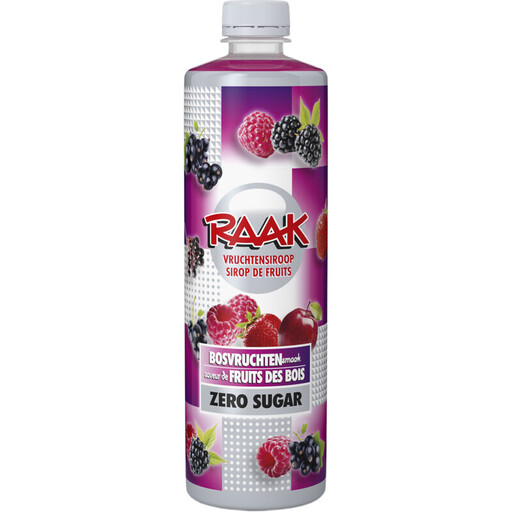
Why it suits this profile: This berry squash lists 0 grams of sugar and around 1 kcal, while one bottle makes 6 litres of squash according to the product information. That makes it a straightforward choice for everyday use.
The yield and nutritional information are clearly stated, so you don’t have to rely solely on the flavour image or the word “fruit”.
0 grams of sugar; suitable for vegan and gluten-free diets according to the product information; makes 6 litres.
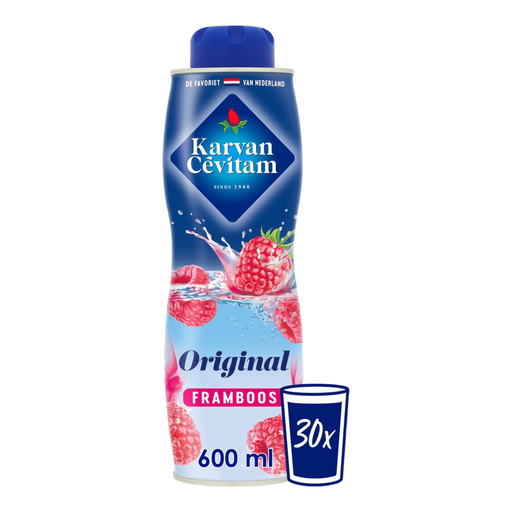
Why it suits this profile: This raspberry syrup is for anyone who values a fruitier flavour and a higher stated fruit content. The recommended ratio is 1 part syrup to 9 parts water.
The label states that the syrup contains 75% fruit juice and 55 grams of sugar per 100 grams. So it’s clear that this isn’t a sugar-free syrup.
75% stated fruit juice; makes around 6 litres; no colourings or artificial flavourings according to the product description.
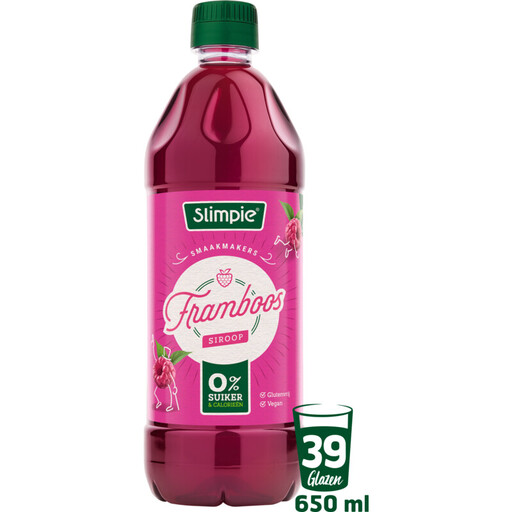
Why it suits this profile: According to the product information, the 650 ml bottle makes almost 8 litres of squash. That makes it a good fit for households that often drink fruit-flavoured water.
The 1 to 11 ratio and estimated yield are clearly stated. This makes it easier to factor frequent use into your cost comparison.
0 grams of sugar; around 1 kcal according to the product information; listed as vegan and gluten-free; suitable for still or sparkling water.
For a mixed forest fruit syrup, you could also consider Slimpie Forest Fruit. This variant lists 6% fruit juice from concentrate, 0 grams of sugar and an energy value of 1 kcal. According to the product information, Teisseire Forest Fruit Squash contains 10% fruit juice from concentrate and uses sweeteners including sucralose and steviol glycosides.
If you’d rather buy fruit juice with no added sugar, you could consider Appelsientje Black Currant Juice. It isn’t a concentrated squash syrup, but a juice drink with 100% fruit content according to the product description. It lists 11.7 grams of sugars per 100 ml, from fruit. This distinction matters: “no added sugar” doesn’t mean “sugar-free”.
We’ve put together a complete, up-to-date list of products that fully meet these strict selection criteria and the current European safety regulations.
It depends on the dilution ratio on the label. At 1 to 9, use one part syrup with nine parts water. At 1 to 11, the drink is diluted further. Try a small amount first and adjust the ratio if the manufacturer allows it.
Not always. The syrup itself may list 0 grams of sugar, but you should assess the prepared drink using the recommended dilution. Also check which sweeteners are used and follow the latest nutritional information on the packaging.
Store an opened bottle according to the product instructions, usually chilled and tightly sealed. The shelf life after opening can vary between products. So check the date and recommended period of use on the packaging, especially if the bottle has often been left out of the fridge.
