
Vandaag of morgen in huis

Kwaliteit gegarandeerd

Welkomstaanbiedingen ontgrendelen: GRATIS bezorging | Tot 80% korting | Gratis 30 dagen JoyPlus-proefperiode
Download de app
Buying fruit sweets may seem simple, but the range varies greatly in flavour, texture, ingredients and pack size. Eye-catching packaging tells you little about what is inside. Some fruit sweets contain only a small percentage of fruit juice, while others rely mainly on flavourings and acids. Not all fruit gummies are suitable for vegans or vegetarians either.
There are also different things to consider when choosing sweets for families, parties and sharing compared with when you want to try a small bag of Japanese sweets or Turkish sweets. These checks help you choose based on the product information, not just the marketing.
A fruit flavour may come from concentrated juice, natural flavourings or other flavouring agents. So check the ingredients list and look at the stated percentage of fruit juice. For example, Powerbeärs Tetris Fruit Gum lists 20% apple juice from concentrate. According to the product information, Cokoc Mega Trophy Gummies contain 3.5% concentrated mango juice.
An image of strawberries, mangoes or grapes on the packaging is therefore not a reliable indication of the juice content.
Many gummies and wine gums get their texture from gelatine. This may come from beef or pork. If you are looking for vegan sweets, check that “vegan” is clearly stated in the product information rather than relying solely on fruit images or green colours.
Fruitella Vegan Dummies and Fruitella Berries and Cherry Toffees are described as vegan. By contrast, Cokoc gummies, MORINAGA Haichu and Nerds Gummy Clusters, among others, contain gelatine. Always check the current packaging before buying, especially if you have allergies or follow a specific diet.
A family-size bag can be handy for a party, but a smaller bag prevents sweets from being left open for too long. Check the net weight, the number of individual packs and the storage instructions. Individually wrapped sweets are practical for sharing and stay better protected from moisture and dirt after opening.
Read the full ingredients list. Pay attention to:
Fruit sweets are still sweets. Nutritional values in this category often range from around 267 to 418 kcal per 100 grams, with a considerable proportion of carbohydrates and sugars. Use nutritional information mainly to compare portions and quantities, not as a health claim.
Choose a texture that suits the occasion:
Young children should be supervised while eating. Also follow the age recommendation and usage instructions on the packaging.
A 40 to 75-gram pack is suitable for trying a new flavour or taking with you. Bags of 110 to 200 grams are better suited to a cupboard, party treats or sharing. Store sweets according to the instructions: usually in a cool, dry place away from direct sunlight. Seal the pack carefully after opening, as moisture can alter the texture.
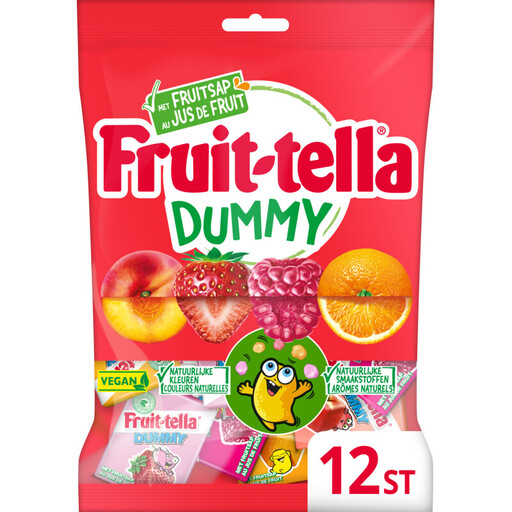
Why it suits this profile: A convenient box containing 12 packs and four fruity flavours: strawberry, peach, orange and raspberry. Handy for enjoying at home, party treats and sharing.
The product information clearly states “vegan” and lists fruit juice as an ingredient. The individual packs limit exposure to moisture after opening.
132 grams in total, four fruit flavours, individually wrapped and described as vegan in the product details.
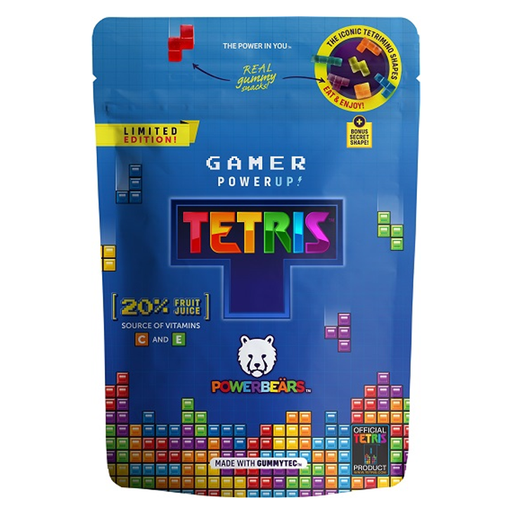
Why it suits this profile: For anyone who values eye-catching design and a variety of fruit flavours. The gummies come in Tetris shapes and include a selection of eight named flavours.
The product information states the juice percentage, flavours, weight and ingredients. This makes it easier to compare the packaging with what is inside.
125 grams, 20% apple juice from concentrate according to the product details, and eight named fruit flavours.
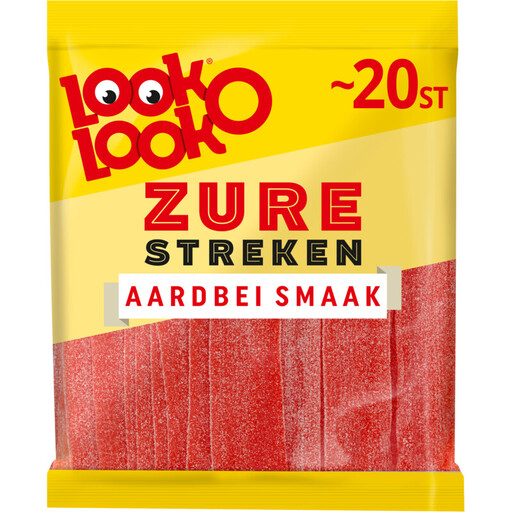
Why it suits this profile: Designed for lovers of sour sweets and a bag that is suitable for several occasions or for sharing.
The product description explicitly mentions the sour flavour and lists wheat flour and gluten. This makes the choice clearer for people with dietary restrictions.
125 grams, strawberry flavour, a sour finish and a format that can be eaten in pieces or folded in half.
We have put together a complete, up-to-date list of products that fully meet these strict selection criteria and the applicable European safety regulations.
If you want to try international sweets, fruit sweets offer a range of different options. Japanese sweets such as UHA Kororo Muscat have, according to the product information, a thin outer layer and a soft centre. MORINAGA Haichu Strawberry is a soft strawberry sweet containing gelatine and yoghurt concentrate. For a Korean option, SEOJU Sanrio Tang Tang Peach is a soft peach sweet containing, among other ingredients, peach and beef gelatine.
Fans of Turkish sweets can try Bebeto Sour Blast Happy Raspberry or Koska Sade Lokum. Pay particular attention to allergens when choosing lokum, as Koska Sade Lokum contains pistachio. For a sweet and spicy combination, Gingerbon Mango is an option containing mango extract and 7.5% ginger.
Only choose products that are clearly labelled vegan or whose ingredients list contains no animal-derived ingredients. Fruitella Vegan Dummies and Fruitella Berries and Cherry Toffees are described as vegan. Check the current packaging with every order.
Store them in a cool, dry place away from direct sunlight and moisture. Seal an opened bag carefully. Individually wrapped sweets are practical when you do not use a larger quantity all at once.
Check the age information, allergens and any warnings about colourings. Choose a size that suits the occasion and supervise young children while they are eating. An image of fruit does not automatically mean that the product contains lots of fruit juice.
